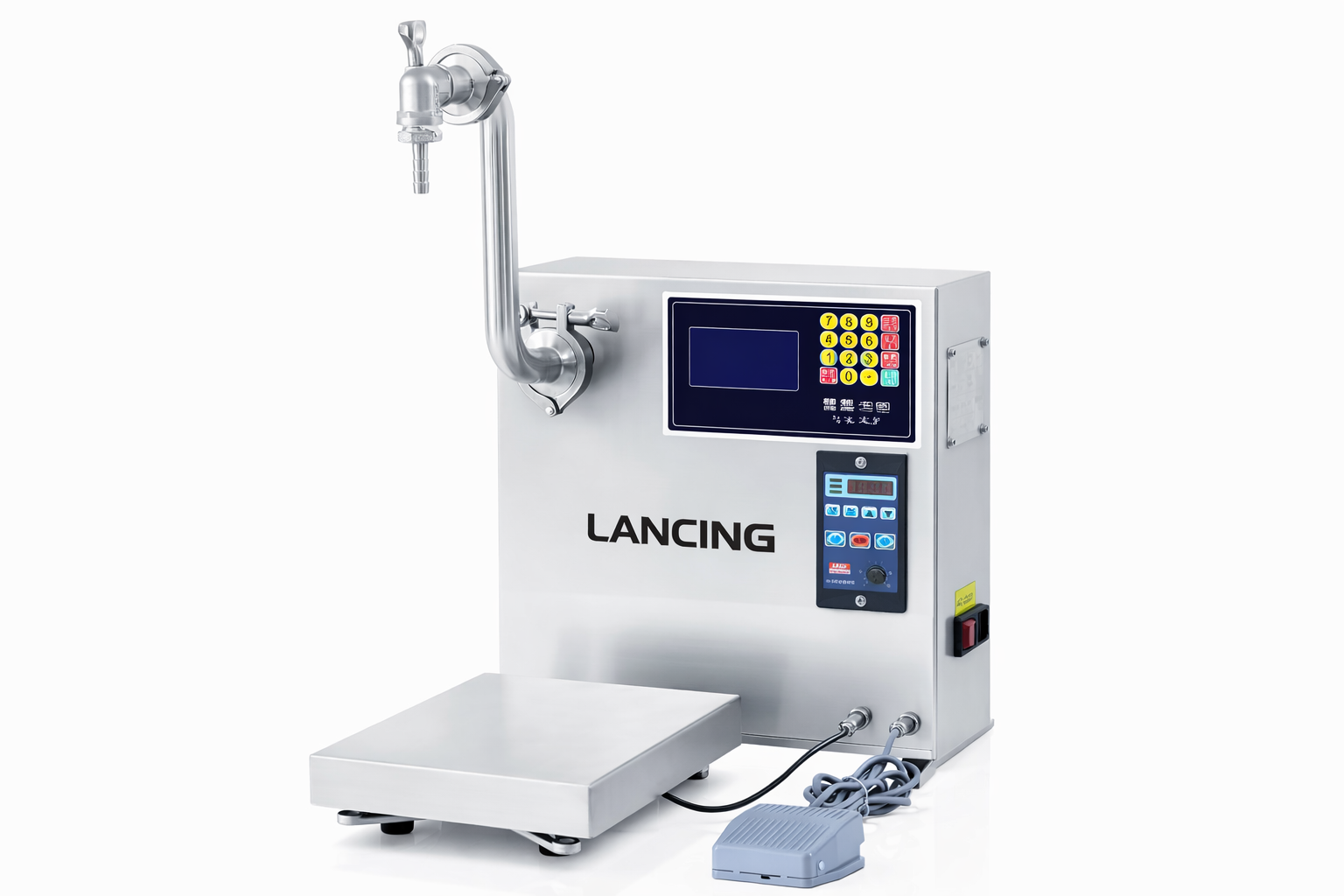
A target volume, target mass and consistent visual fill level are different objectives. Record which one controls release and how it will be measured. Converting mass to volume requires an appropriate product-density basis at the relevant temperature; it should not be treated as a universal one-to-one conversion. The filling principle and inspection method need to answer the same requirement.
Include the smallest dose, largest dose and representative normal batch, not only the easiest mid-range condition. For a multi-head filler, retain readings by head so an acceptable overall average cannot hide one consistently different nozzle. Note product temperature, time since mixing, supply level and any visible aeration alongside results.
A spill can come from poor cut-off, but also from an unstable bottle or an abrupt transfer after a correct dose. Observe the sequence from presentation through settling and discharge. Record where foam begins, whether a thread forms as the nozzle withdraws and whether the next station limits the available settling time. Change assessed settings deliberately rather than adjusting several variables together.
Use the same pack set and acceptance limits for competing methods, counting accepted containers rather than machine cycles. Include representative stops, product-path cleaning and format changes in the project review. Link the result to the appropriate volumetric, peristaltic or level-filling option, then review the downstream closing operation.
Liquid filling selection
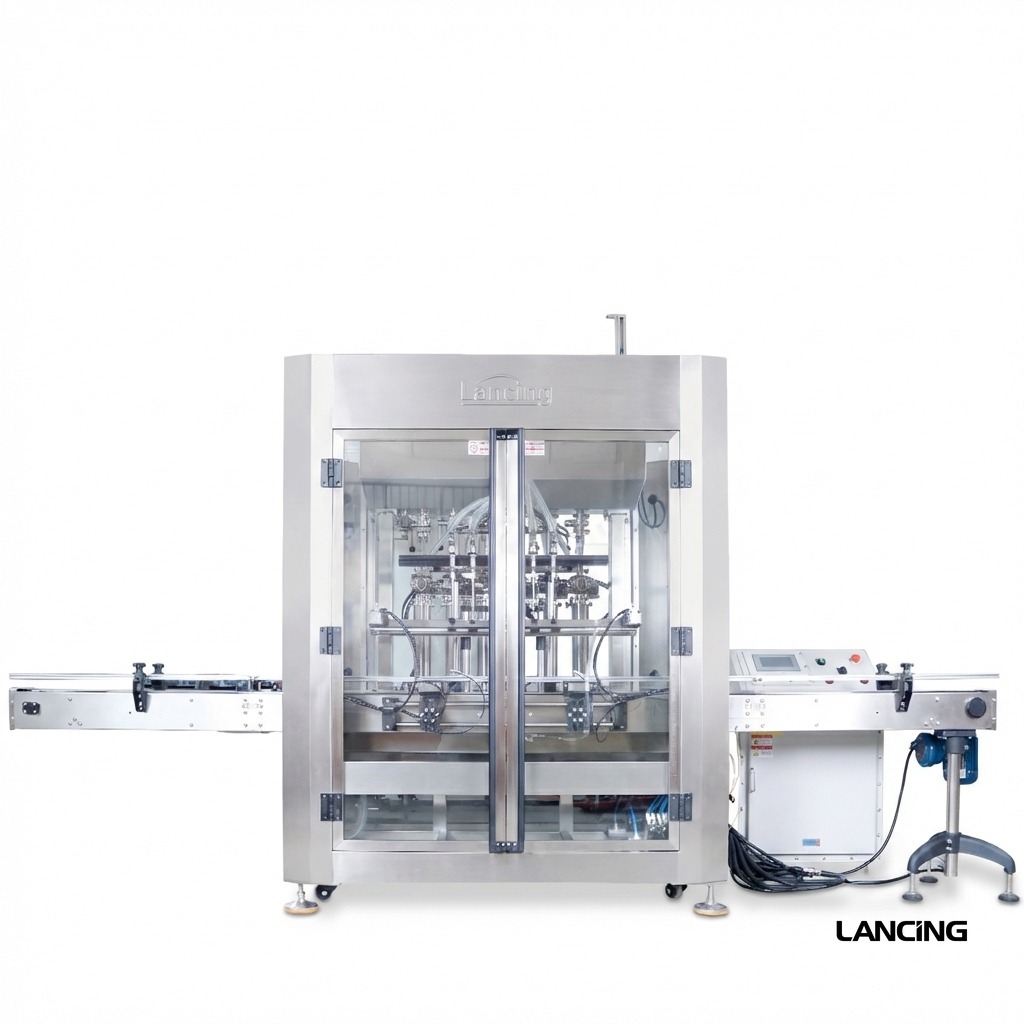
The most suitable liquid filling machine is determined by the behaviour of the product, the container and the production route. A useful comparison starts with viscosity, foaming, particles, temperature, chemical compatibility, fill volume, neck opening and the way the machine must be cleaned or changed between products.
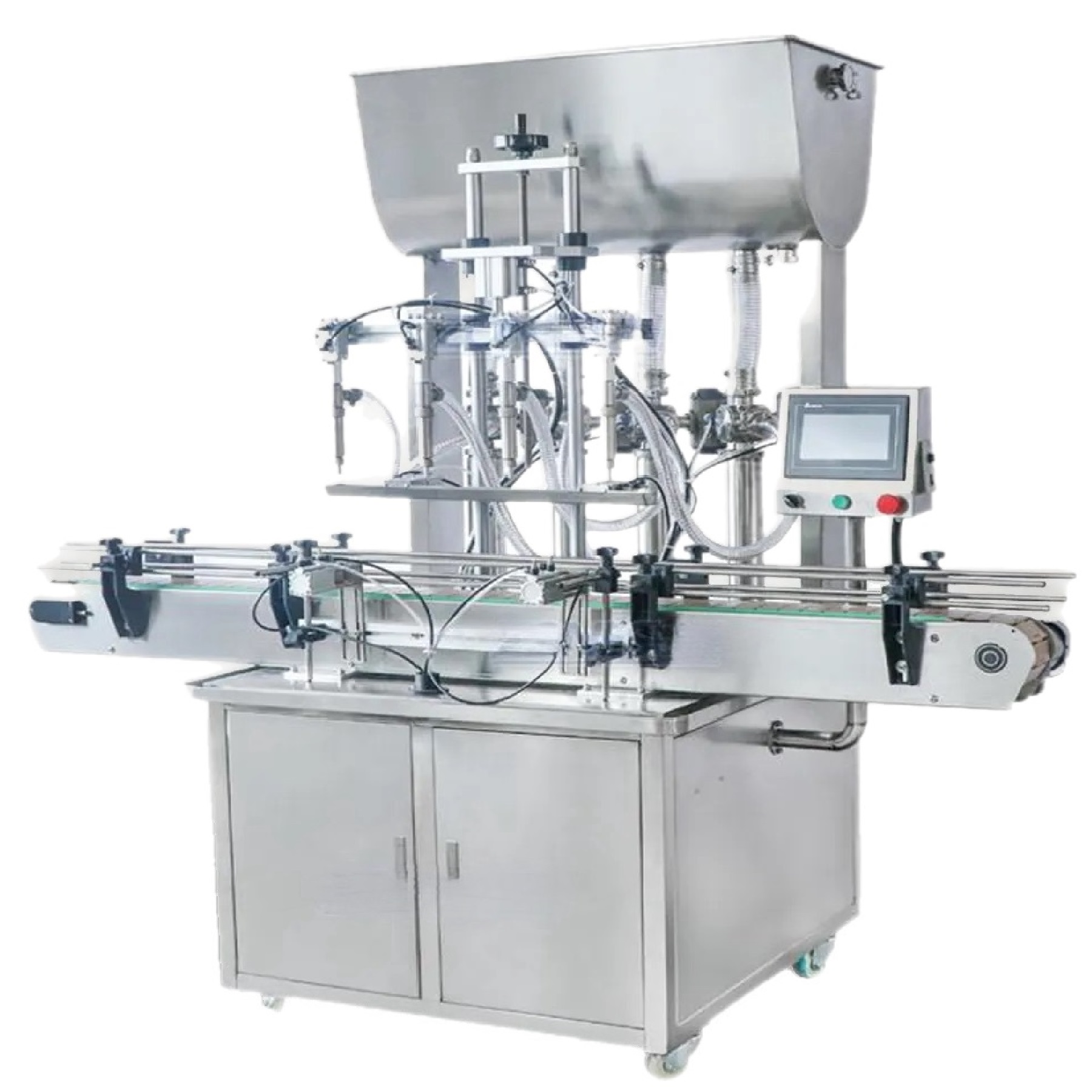
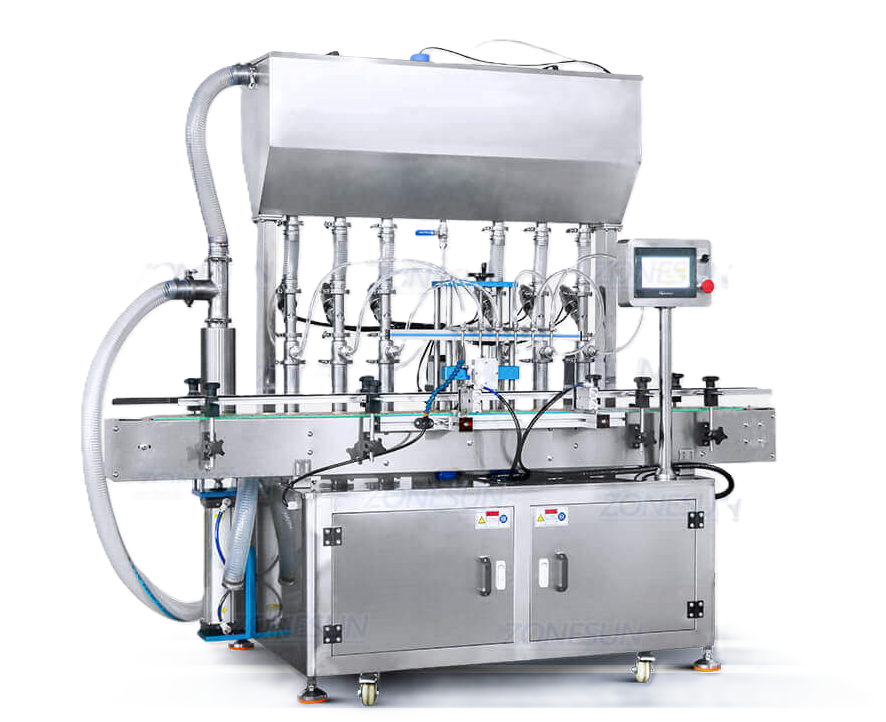
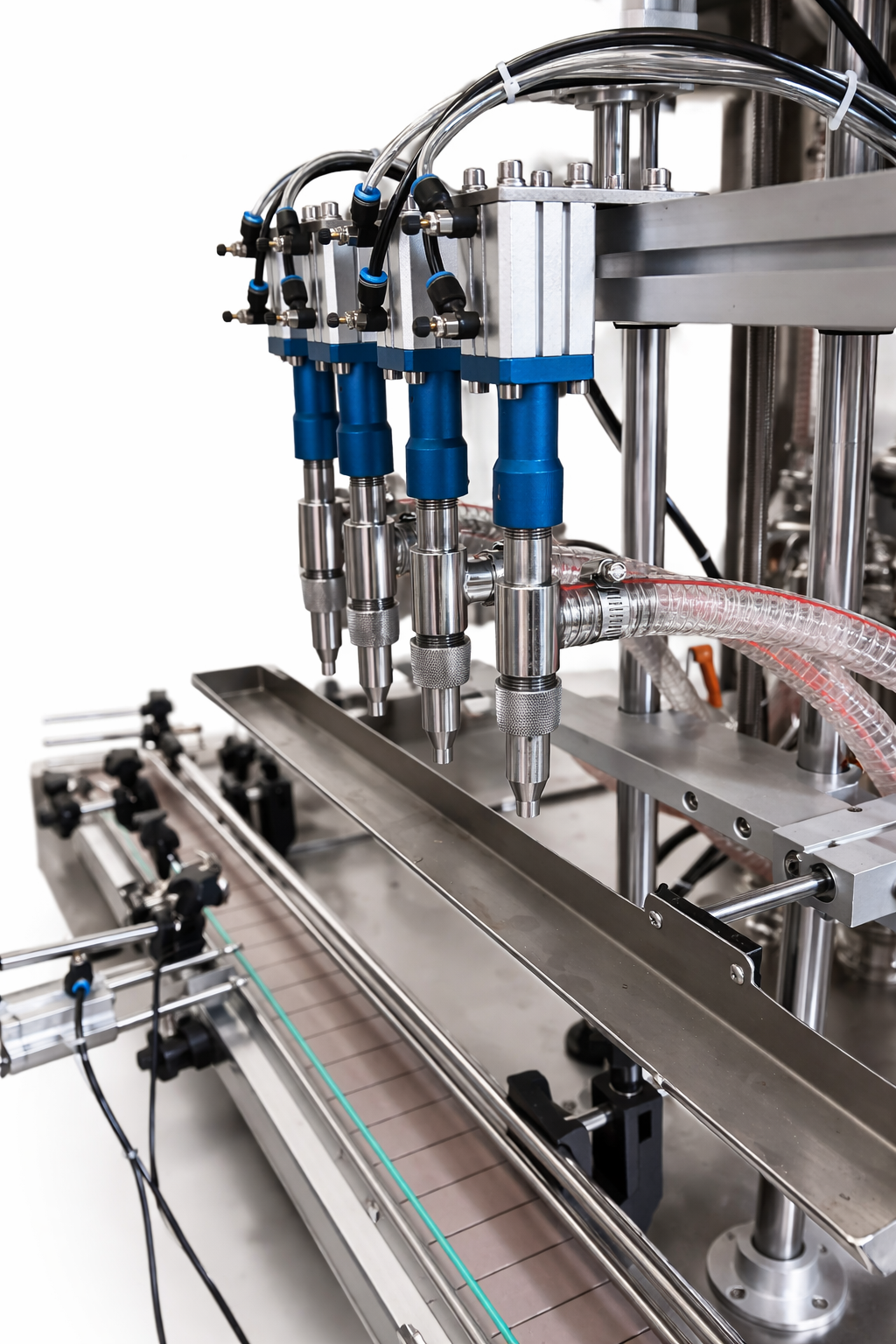
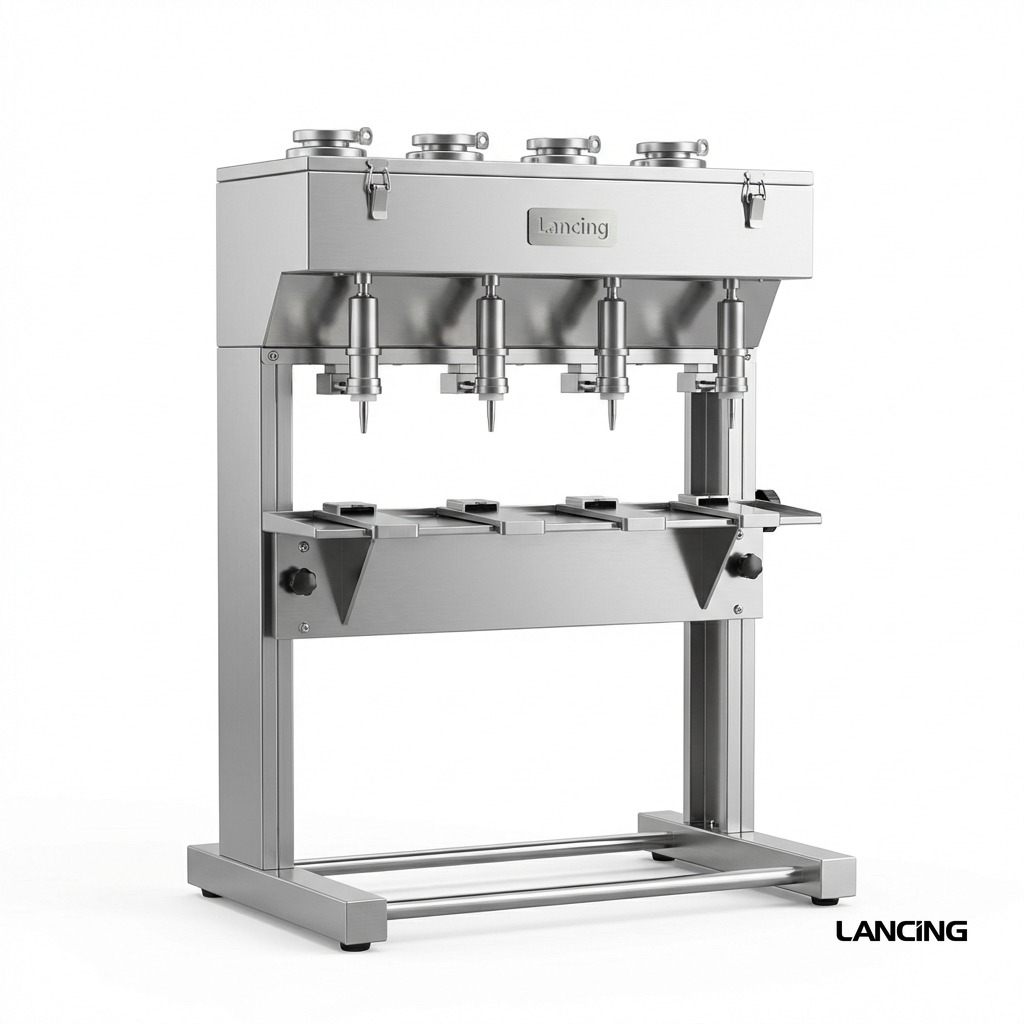
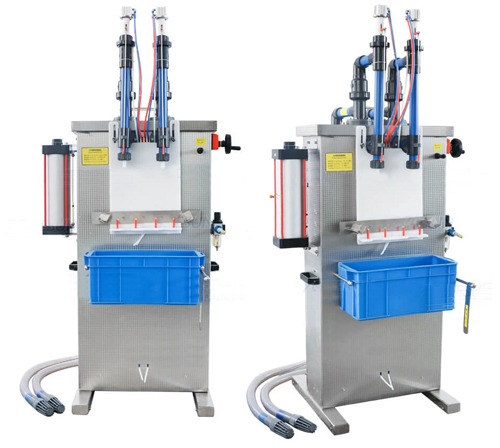
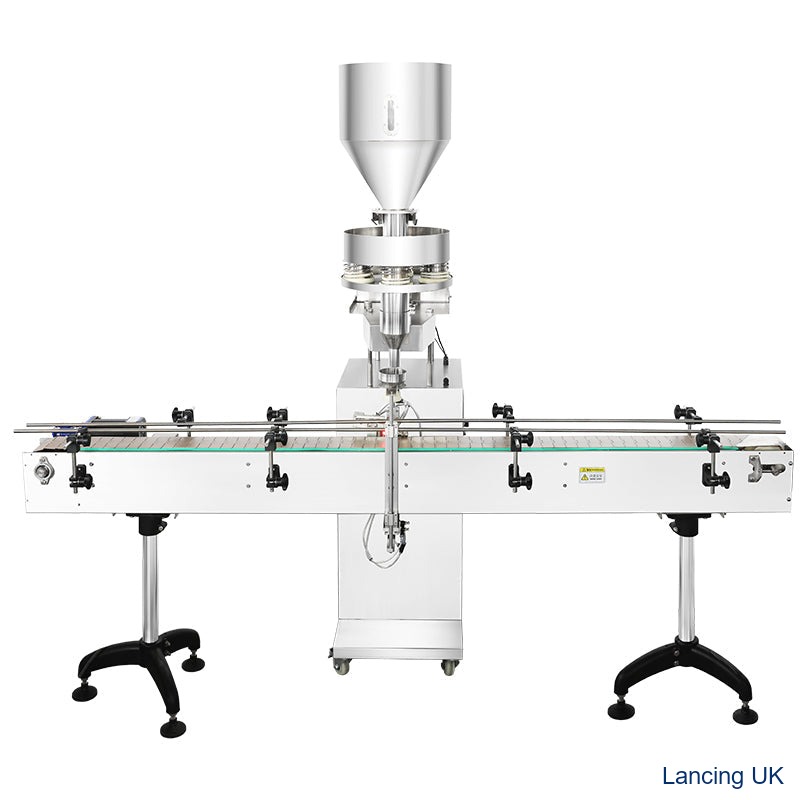
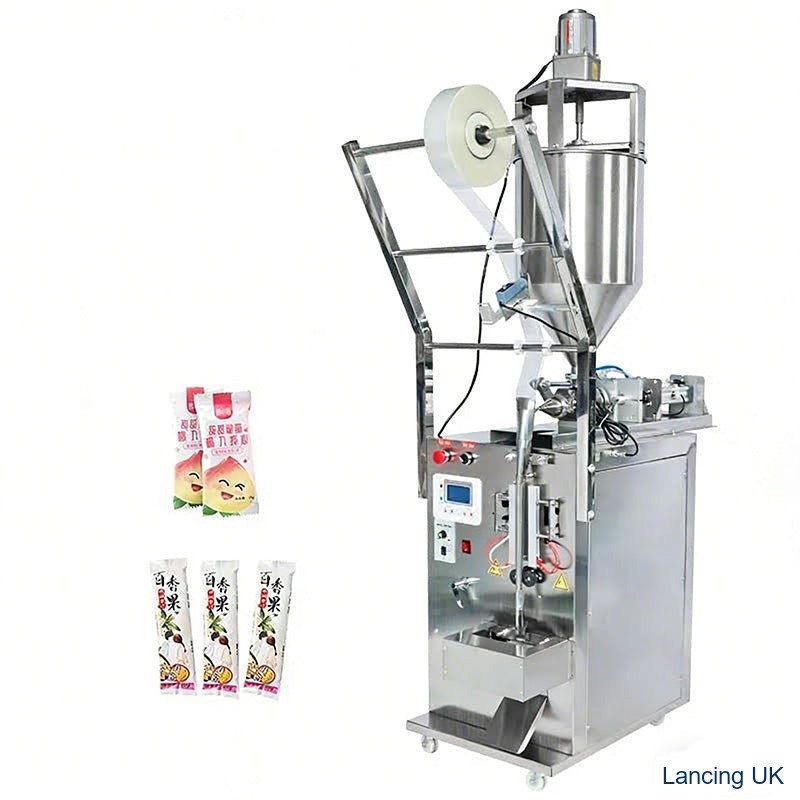
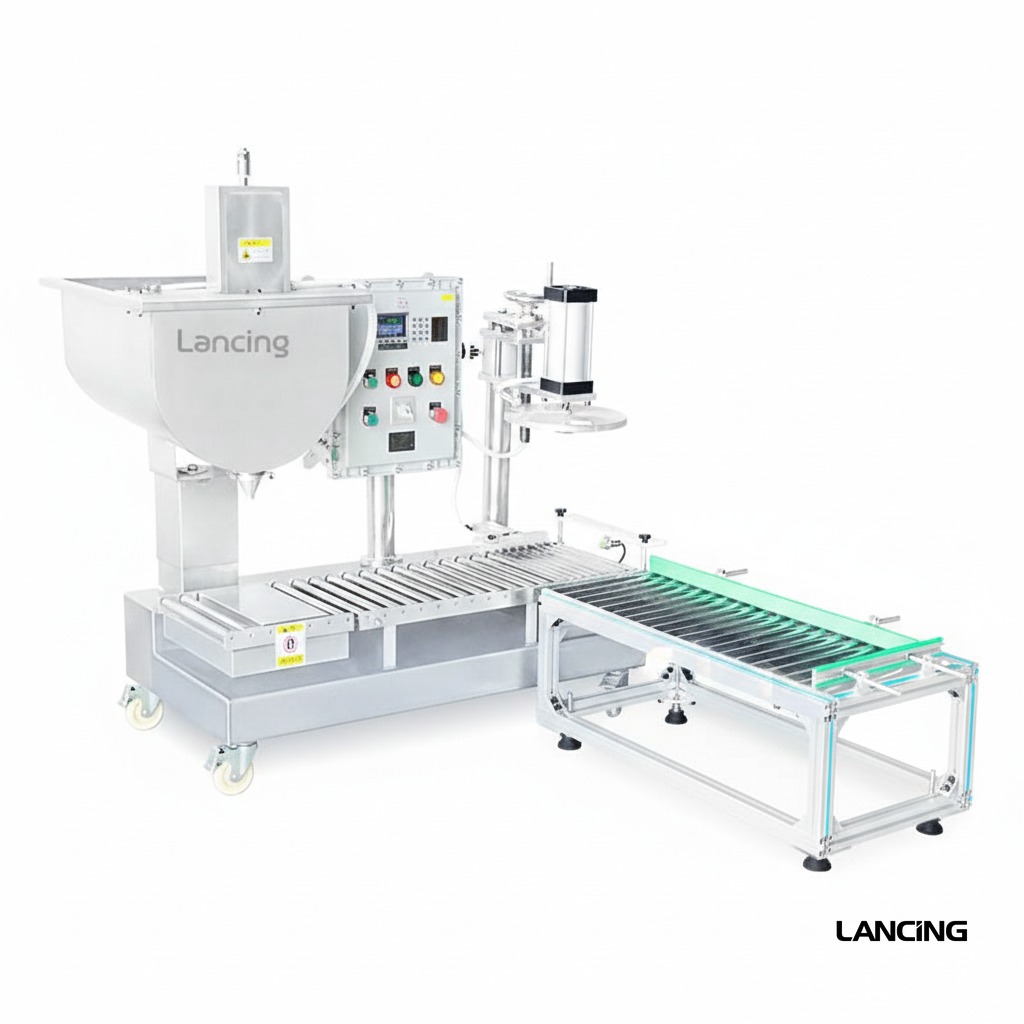
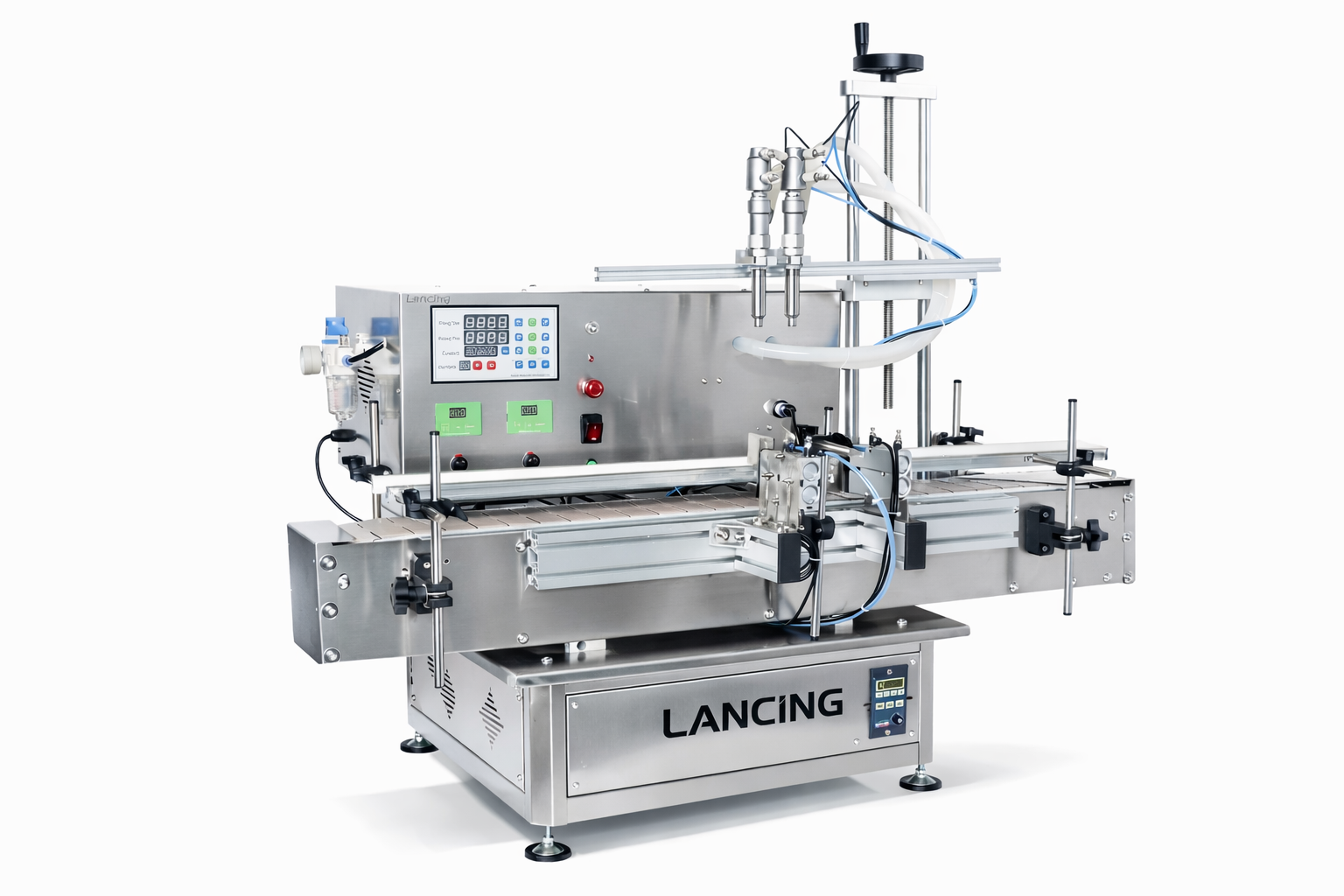
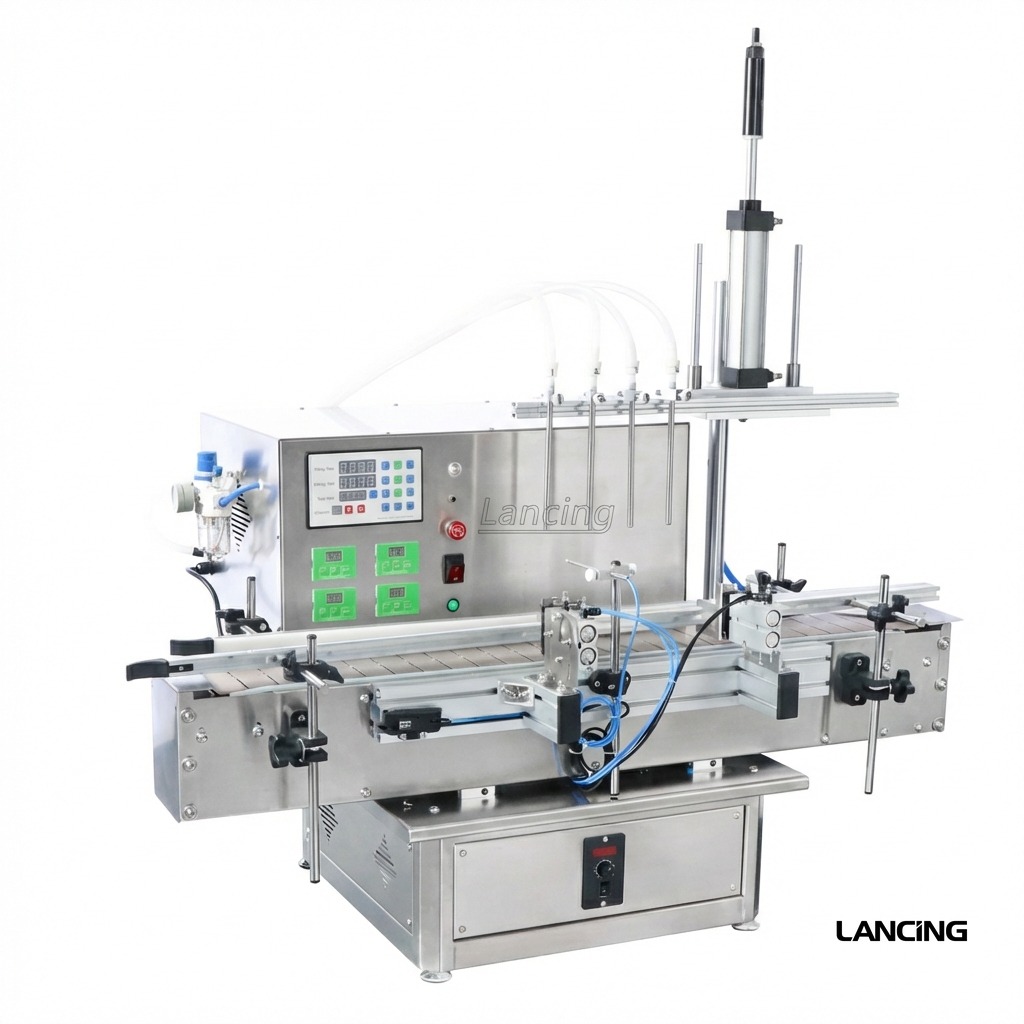
Volumetric piston filling is often considered for repeatable doses of liquids and pastes where the product can be drawn into a cylinder and discharged through a nozzle. Servo and automatic configurations add recipe control and conveyor handling, but cylinder size, product flow and nozzle design still need to suit the application.
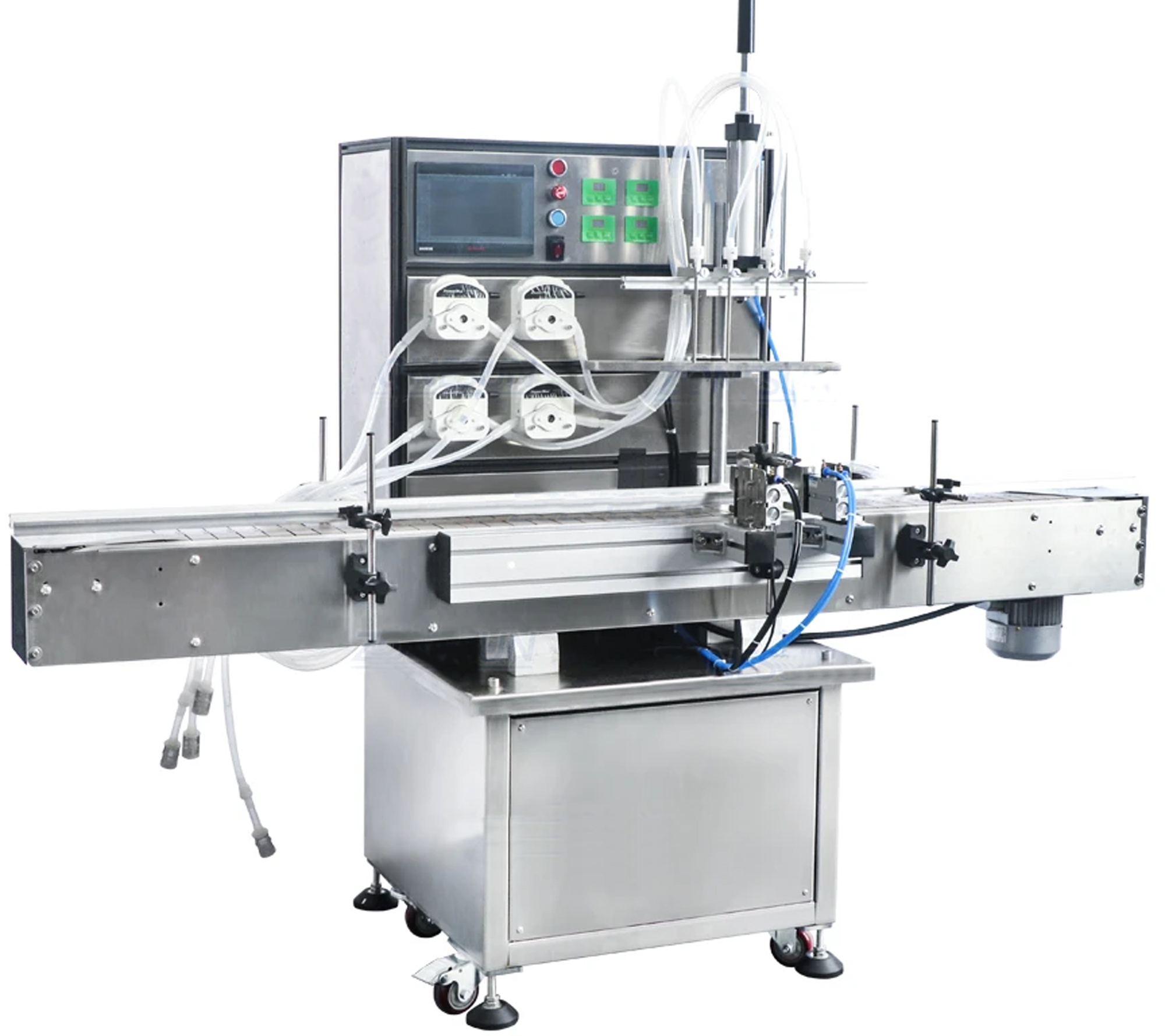
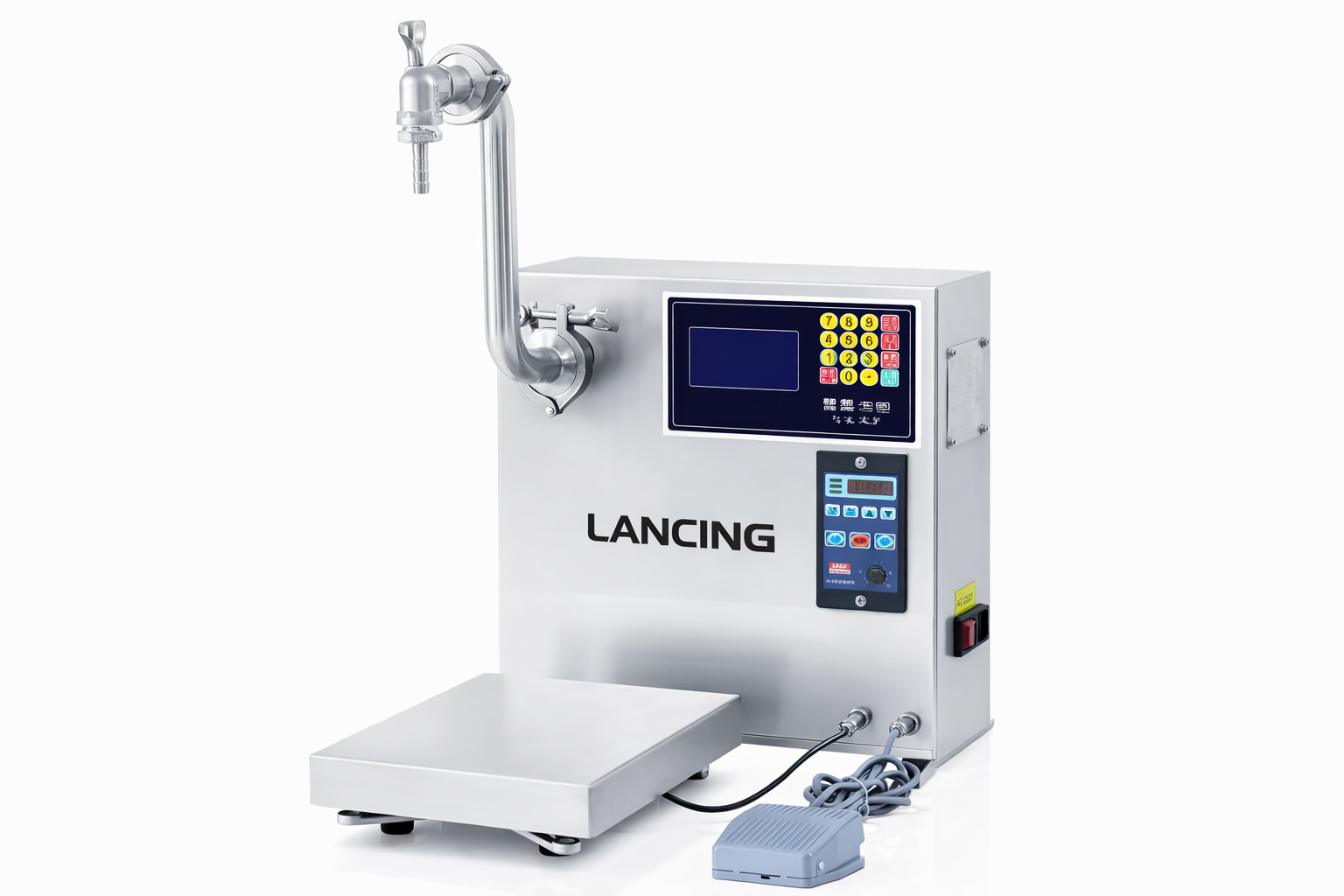
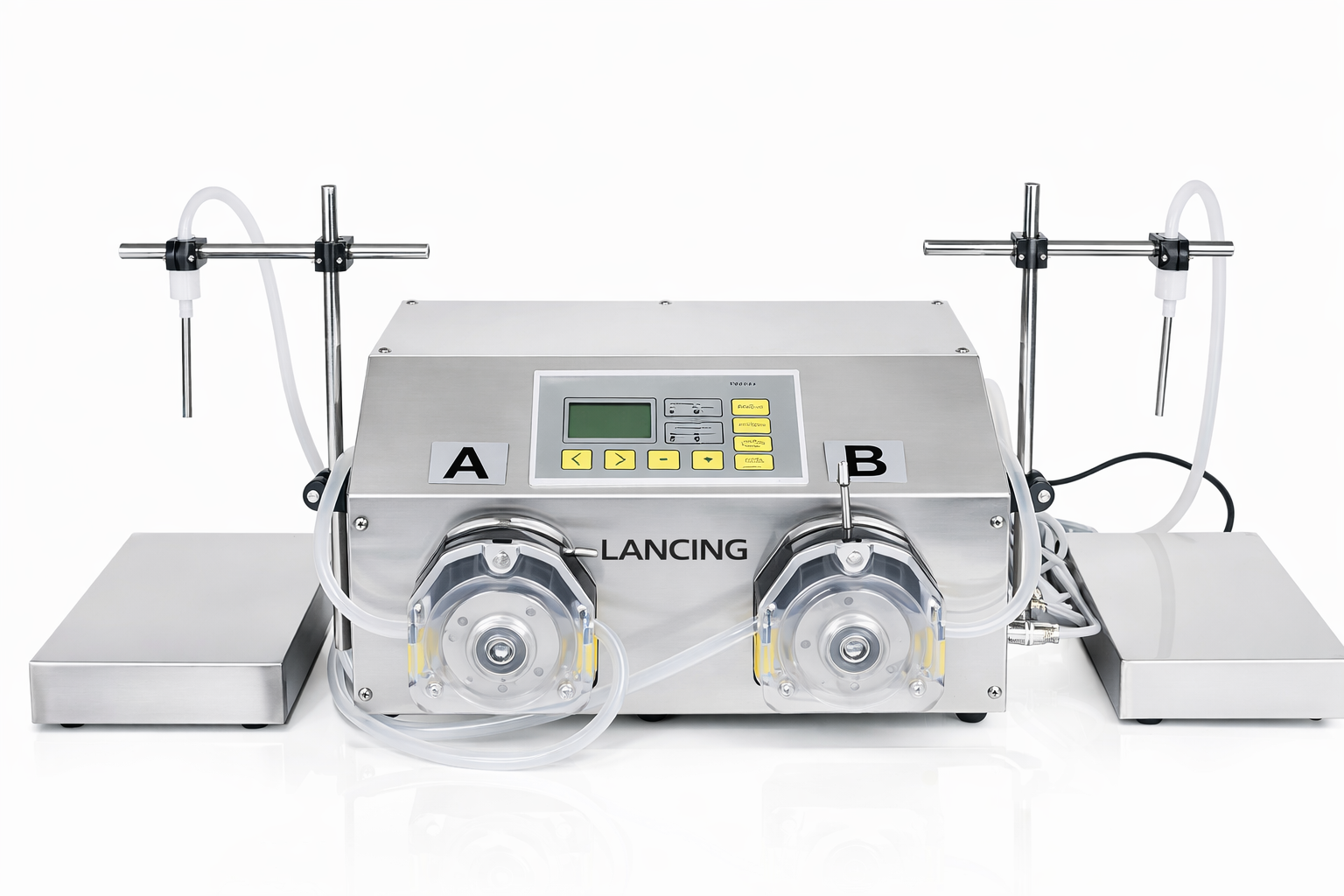
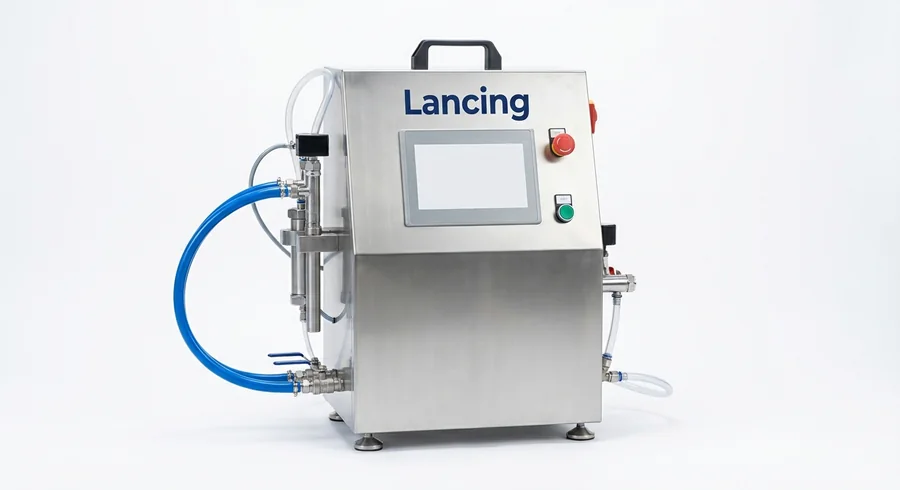
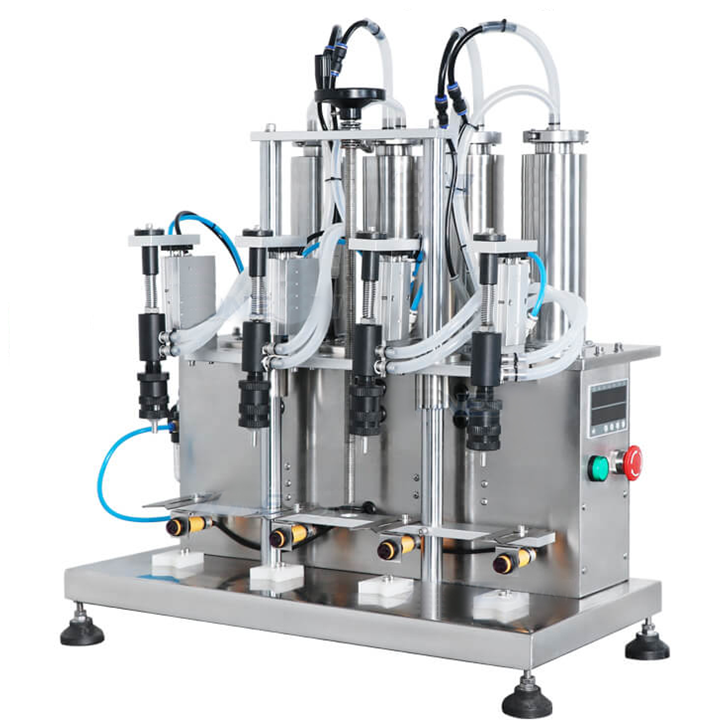
Peristaltic filling keeps the product path within replaceable tubing and is useful where quick product-path changeover matters. For short runs and small doses, the small semi-automatic peristaltic filler provides a relevant bench-scale comparison. Gear, diaphragm and other pump systems can be considered for different flow characteristics. Tubing, seals and wetted parts must always be checked against the actual liquid.
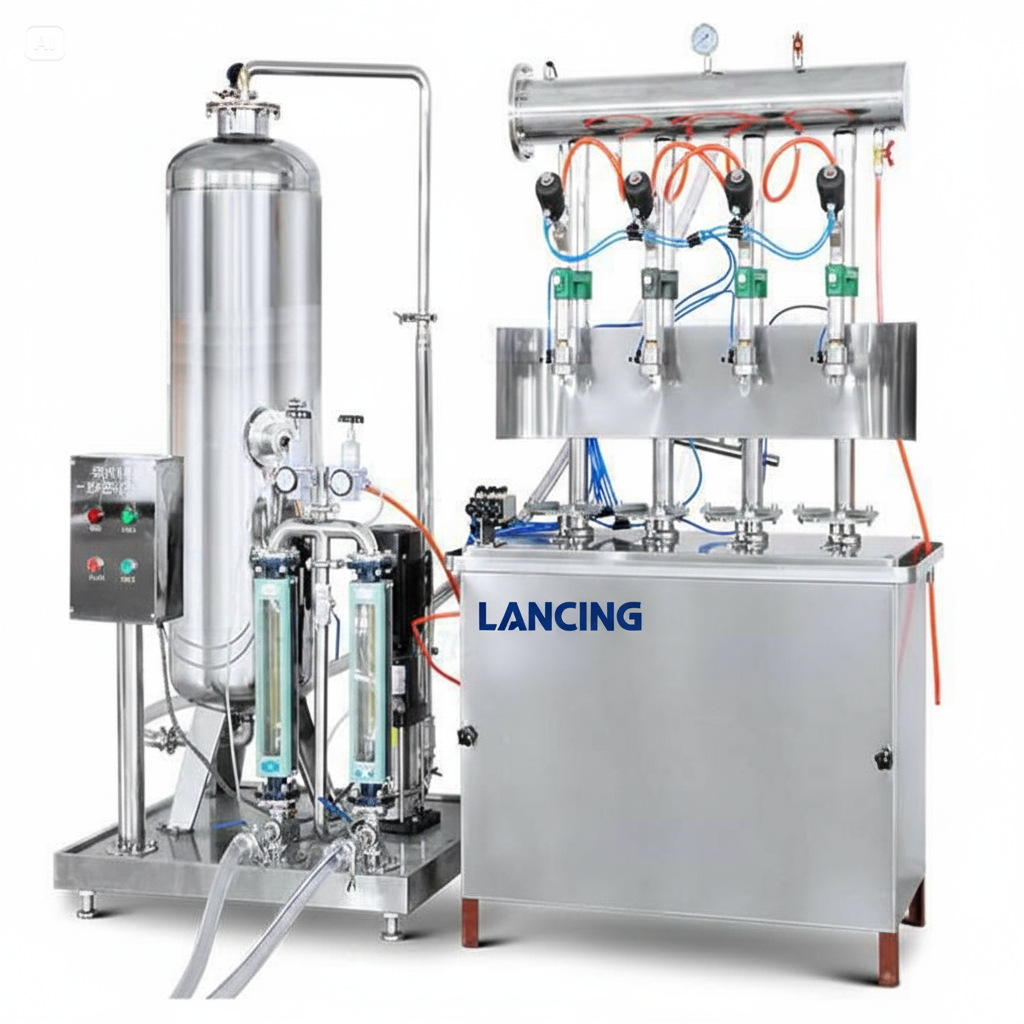
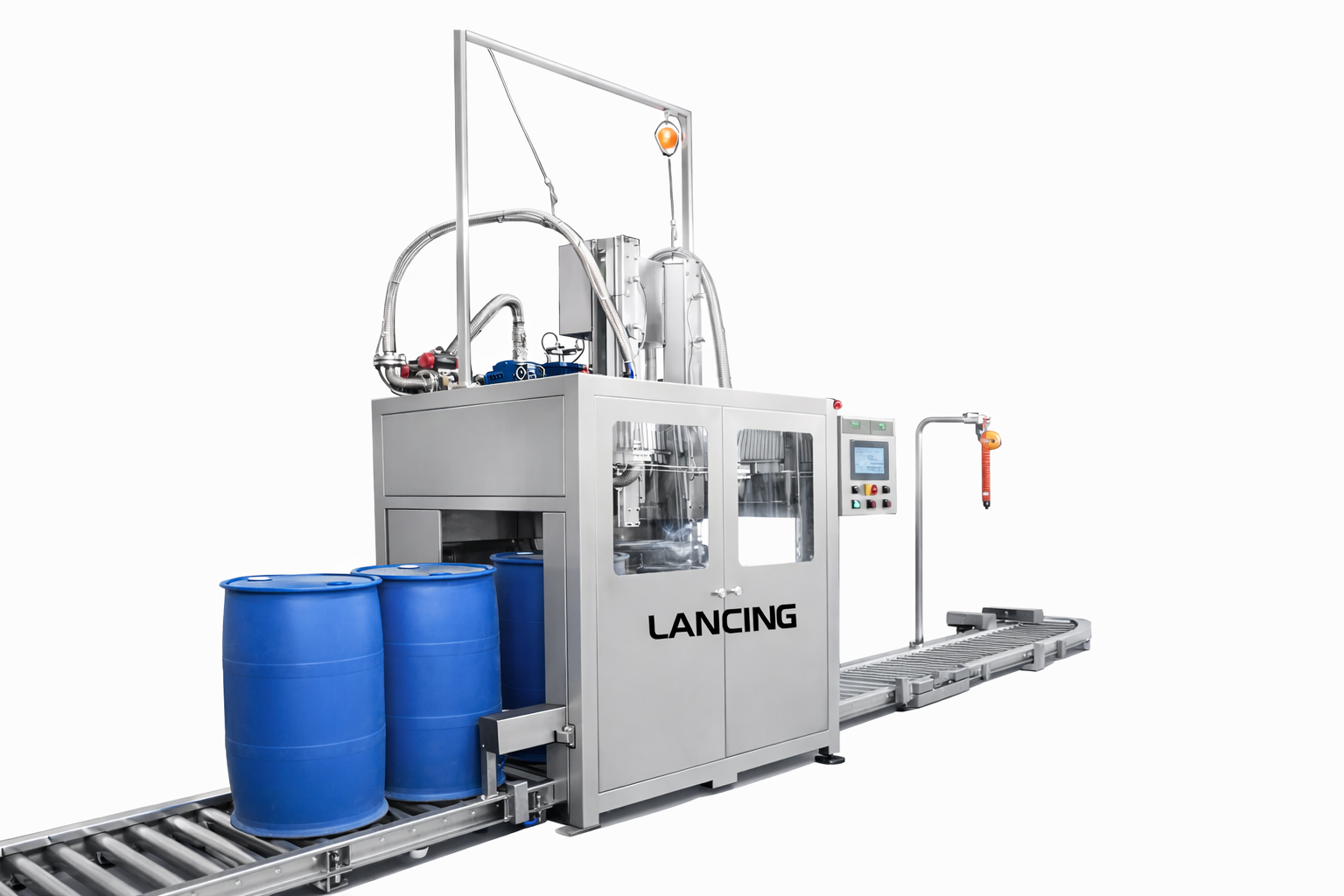
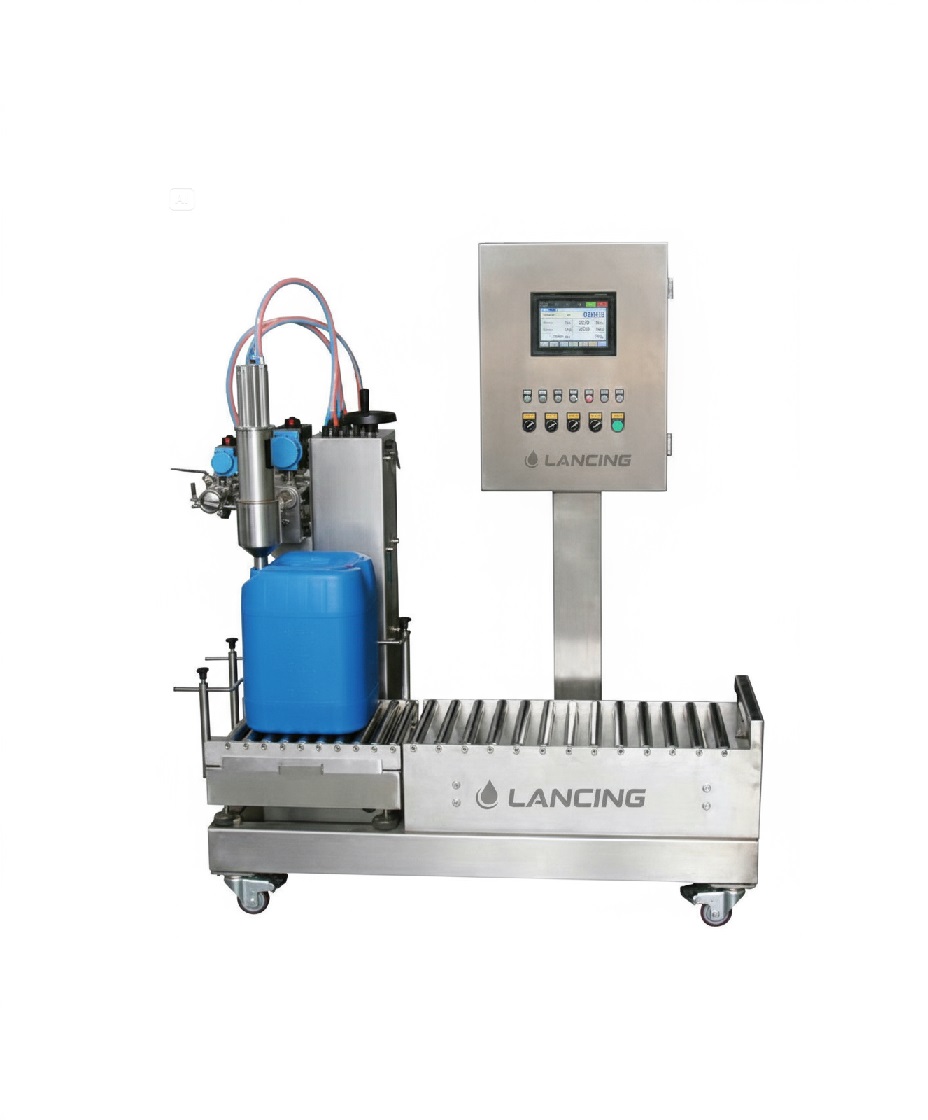
Vacuum level filling, fill-by-weight and counter-pressure filling solve different problems. The correct route depends on whether the priority is a visual fill level, a target mass, a carbonated product or another specialist requirement rather than a simple fixed-volume dose.
Thin free-flowing liquids do not behave like creams, oils, foaming detergents or products containing fibres and particles. Product temperature can also change viscosity and therefore the way a filler draws, meters and cuts off the dose. Provide the normal operating temperature, not only a room-temperature sample, and identify whether the product separates, settles or traps air while waiting in a hopper or supply tank.
Nozzle selection is equally important. The outlet must enter the container without contacting the neck, allow air to escape and control stringing, dripping or foaming. Where a product tends to foam, the filling sequence, nozzle movement and speed profile may need to be tested rather than assumed from a catalogue rate.
| Application question | Why it affects selection | Useful evidence for Lancing |
|---|---|---|
| How does the liquid flow? | Viscosity, particles, aeration and foaming influence the metering method, hose or seal selection and nozzle design. | A representative sample, product data and the normal filling temperature. |
| What is the complete fill range? | The smallest and largest dose affect pump, cylinder, tubing and control choices. | Minimum, normal and maximum fill volumes, including every planned format. |
| How stable is the container? | Light, narrow or irregular bottles may need guides, spacing screws, pucks or controlled transfer. | Filled and empty samples, drawings and neck dimensions. |
| How will the machine be cleaned? | Product changeover and cleaning access can be as important as filling speed. | Cleaning method, change frequency and any product-contact restrictions. |
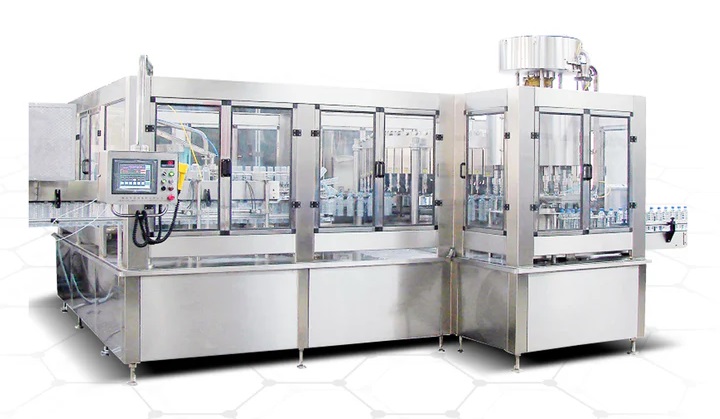
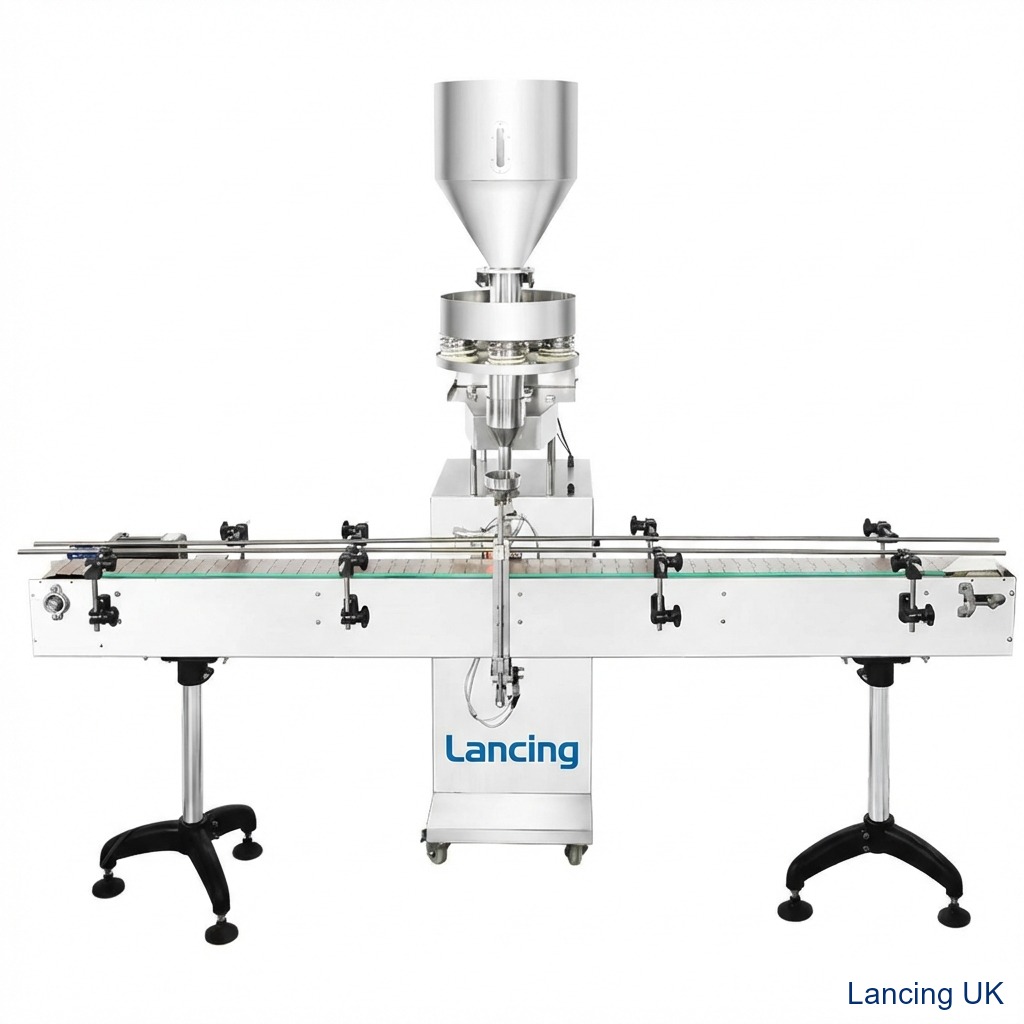
An automatic filler must receive containers at a stable pitch and discharge them without creating pressure at the next station. Confirm conveyor height, direction of travel, available footprint, electrical supply, compressed air and the control signals required by existing equipment. The next operations may include capping, labelling, coding, inspection and accumulation.
For a realistic quotation, send the product and all pack components together. Include container and closure samples, the target output, typical batch size, cleaning expectation and any current machinery that must remain in the line. A timed trial is the best way to confirm filling behaviour where the product is unusual, valuable or difficult to control.
Comparing several liquid filling methods? Send the product, fill range and container set so the options can be narrowed before quotation.
Discuss a liquid filling projectThe key information is product viscosity and flow behaviour, foaming, particles, temperature, chemical compatibility, fill range, container opening, output target and cleaning method. Samples allow the product and pack to be assessed together.
Peristaltic filling is useful when the liquid can be pumped through compatible tubing and a replaceable product path is valuable for changeover. Tubing material, bore, liquid viscosity, dose and required output still need to be confirmed.
Provide a representative product sample and the intended container. A trial can check nozzle position, fill profile, cut-off behaviour and whether the liquid needs bottom-up filling or another control measure.
Often it can, but the full size range must be reviewed. Container stability, neck position, fill range, guide adjustment and any required change parts affect how practical the changeover will be.
Output depends on dose, product flow, number of heads, container handling and the stations before and after the filler. A timed trial using the actual product and pack gives a more reliable figure than an unloaded machine speed.
© Copyright 2025 by Lancing Ltd - all right reserved terms & conditions