Before a trial
- Supply representative product and all container formats.
- Define fill or weight acceptance and measurement method.
- State cleaning, recovery and changeover requirements.
- Identify product supply, line height and downstream handling.

Filling machinery guidance
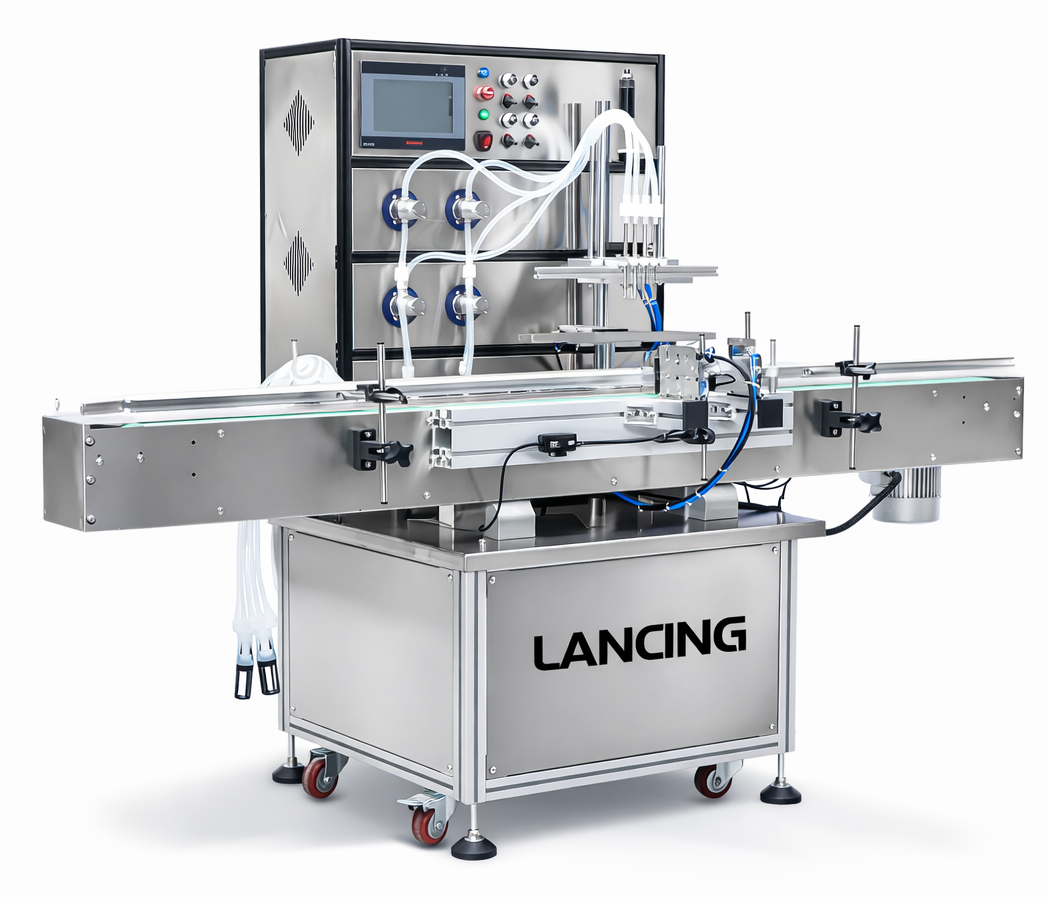
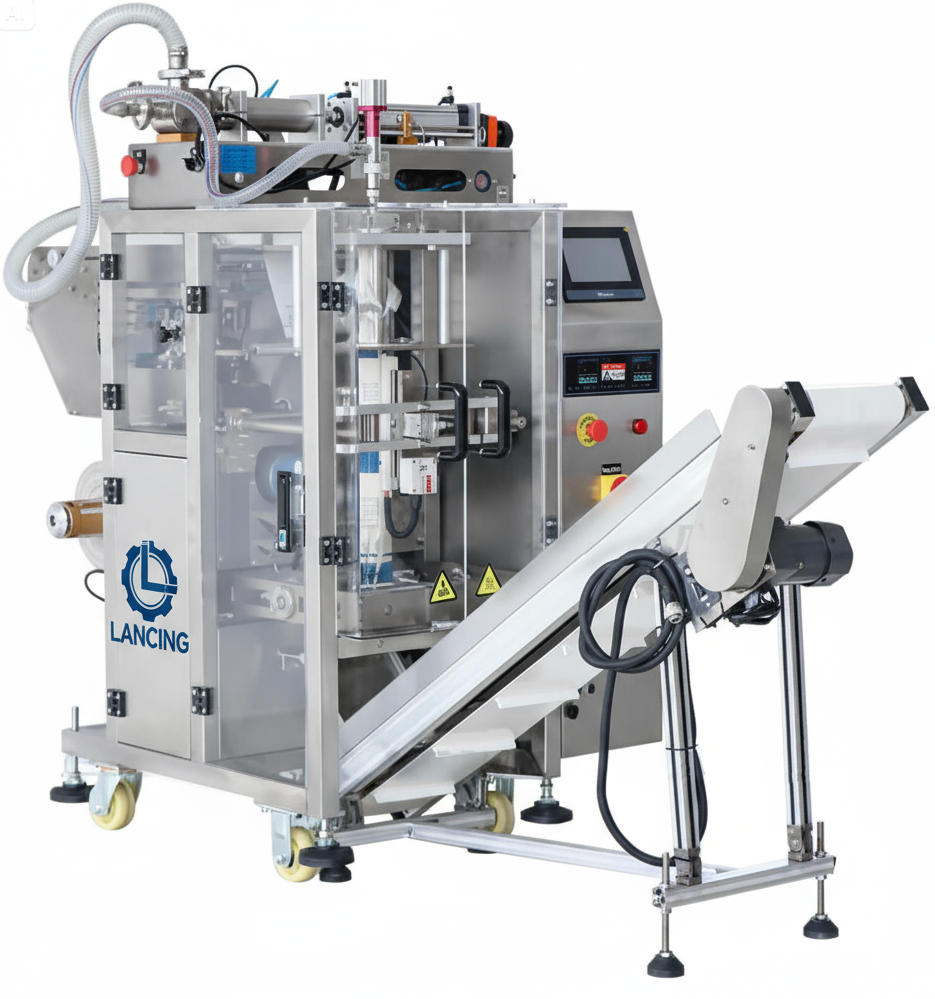
Filling technology should be matched to the product behaviour, target dose, container opening and cleaning method. The catalogue includes volumetric, peristaltic, pump, auger, weight and specialist filling options.
Review free flow, foaming, drips, chemical compatibility and the risk of product contact with moving pump parts. Liquid filling machines include several dosing principles for different levels of hygiene, accuracy and changeover.
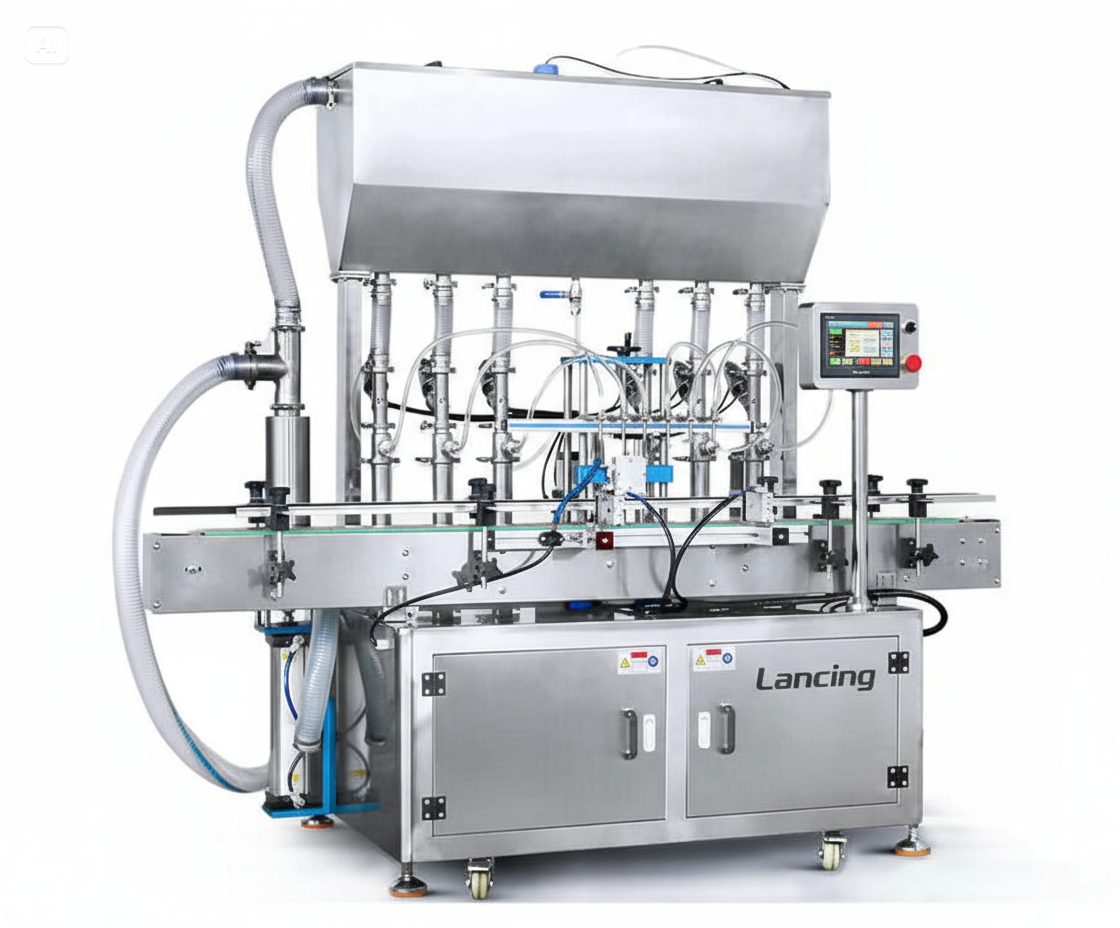
Thicker products may need positive displacement, wider product paths, heated or mixed hoppers and anti-drip nozzles. Compare the product at its actual filling temperature on the paste filling range.
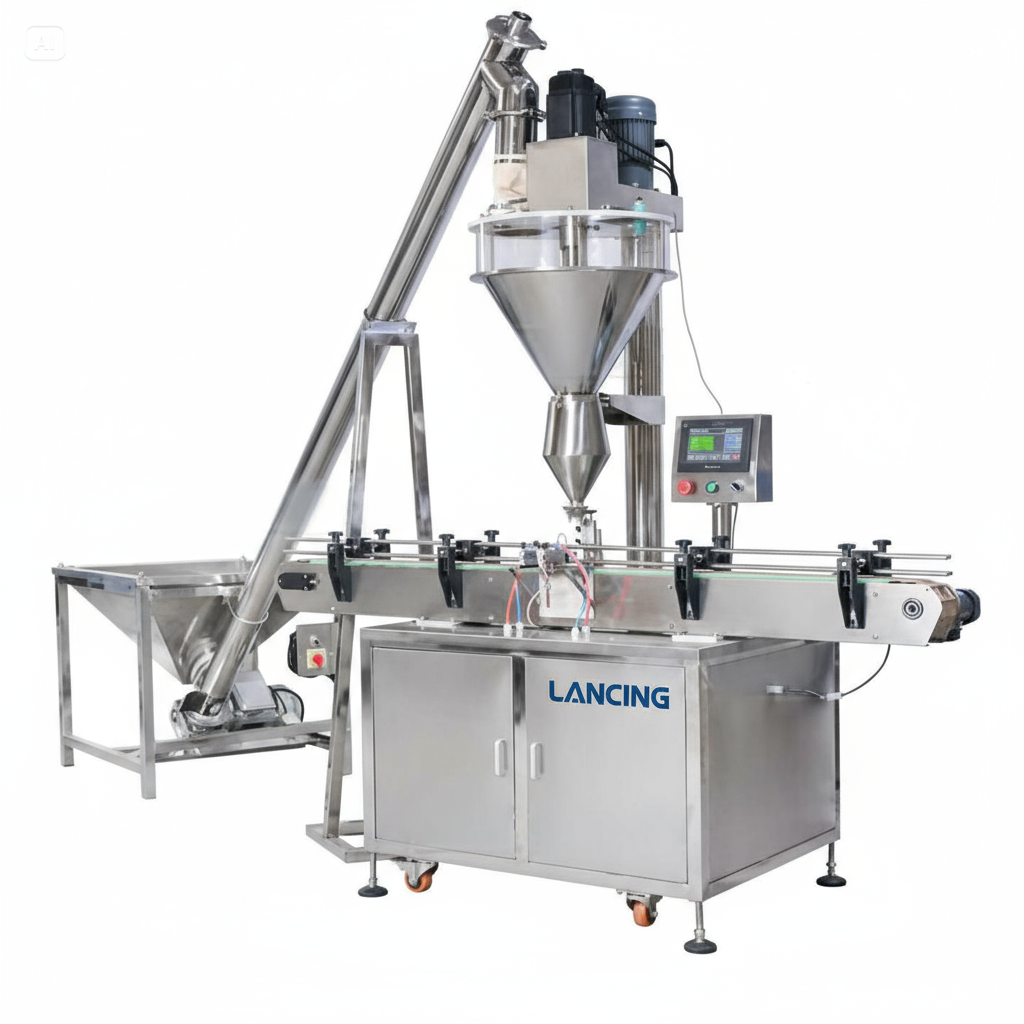
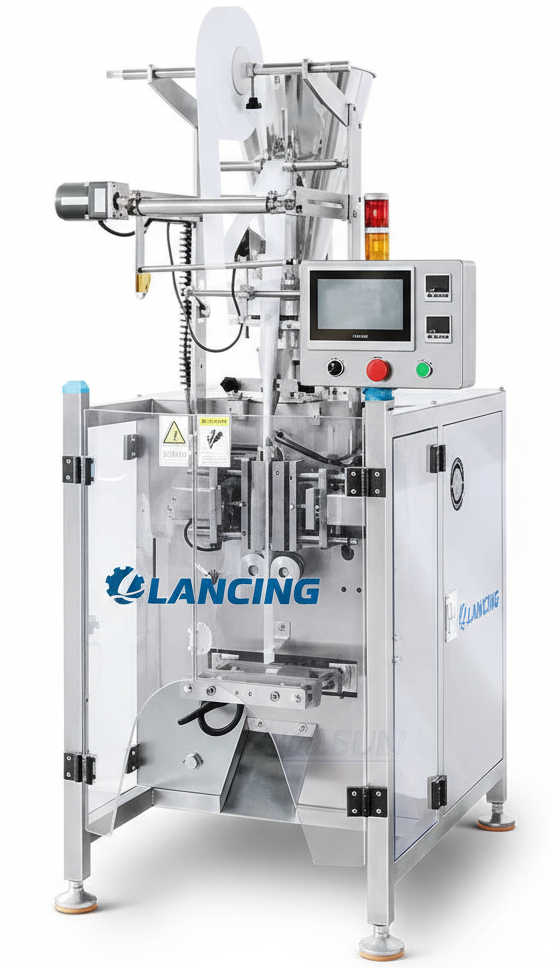
Bulk density, flow, dust, particle damage and settling determine whether an auger, vibratory weigh or other dosing method is suitable. See powder and granule filling.
Accuracy and output depend on more than the nominal fill volume. Product temperature can alter viscosity; particulates can restrict valves or nozzles; foam can limit the usable filling speed; and unstable containers may need neck support or controlled indexing. The smallest container opening and the largest particle should therefore be included in the review.
For multi-format work, list the full fill range and the normal production recipes. Changeover should cover product-contact parts, nozzle height, guides, conveyor settings and cleaning access. Where a filler will feed directly into capping or labelling, the line must also be balanced around the slowest operation.
Compare the principal technologies before choosing a model.
Compare filling methodsVolumetric piston systems are commonly considered for repeatable measured doses and can suit thicker products. Peristaltic systems keep liquid within tubing and can simplify product changeover. The product, dose, tubing compatibility and cleaning requirement decide the better option.
Product consistency, temperature, entrained air, particulates, dose size, container handling and the chosen dosing principle all affect repeatability. The required tolerance should be stated with the product and test conditions.
Some machines use interchangeable pumps, cylinders or recipes, but a very wide range can require change parts or a different machine size. List every required dose rather than only the largest.
Weight-based dosing is useful when net mass is the controlling requirement or when product density varies. The decision also depends on required speed, container handling and how the product settles.
A sample allows flow, dripping, foaming, particle size and cleaning behaviour to be assessed under realistic conditions before the final nozzle and dosing arrangement is agreed.
Filling project tools
Product behaviour, dose range, container opening, cleaning and the acceptance measure should be defined before output or nozzle count is compared.
The filling machine selection guide compares volumetric, peristaltic, pump, vacuum, weight, auger and vibratory routes without treating the table as a verified model specification. Use it to describe viscosity, particles, foaming, temperature, dust, bulk-density variation and product-contact requirements.
Match product behaviour and pack requirements to the dosing principle.
Define representative samples, settings and acceptance evidence.
Plan product recovery, contact-path cleaning and first-off release.
Ready to discuss the application?
Send the application details to Lancing for a tailored machinery review.
Filling selection questions
Filling technology should be selected from the product, dose, container and cleaning duty together. These questions address variables that often change the shortlist even when the target fill quantity appears straightforward.
Viscosity changes how readily a product moves through the hopper, pipework, valves and nozzle, but it is only one selection factor. Temperature, shear sensitivity, particulates, stringing, foaming and the way viscosity changes during production can be equally important.
Describe the product at the coldest and warmest normal conditions and identify settling or separation. A representative trial should reproduce the supply arrangement and operating temperature because a product that flows during preparation may behave differently after standing or recirculation.
Compare dosing principles in the peristaltic, piston and gear-pump filling guide.
Fill-by-volume dispenses a controlled geometric or metered quantity; fill-by-weight uses a weighing signal to stop or correct the dose. The better approach depends on product consistency, pack handling, target declaration, speed requirement and how the finished result will be verified.
A volumetric result can vary in mass if product density changes. A weighing process must control vibration, pack tare variation, dribble and settling. Neither method should be selected from the name alone: the acceptance method and representative product condition should be agreed first.
The filling selection guide places these options in context.
Bottom-up filling can help when the nozzle should remain close to the rising product level to control splashing, aeration or foam. It may also be useful when a product strings from the nozzle or when the container opening makes a high free-fall undesirable.
The required nozzle movement depends on the product and container. Confirm available neck clearance, fill profile, nozzle outside diameter, withdrawal timing and whether the nozzle may contact the product. A trial should check the entire dose range and container-height range.
See why filling results vary for related diagnostic factors.
Cleaning and changeover should be treated as part of the production cycle. Compare the product-contact path, dead spaces, disassembly, drain-down, flushing or dry-cleaning method, access, change-part identification and the checks needed before restart.
The correct method depends on the product risk and the site procedure. Record allergen, colour, fragrance, pharmaceutical, cosmetic or chemical cross-contamination concerns where applicable, and require a competent site-specific assessment rather than relying on a generic claim.
Use the cleaning and changeover guide to structure the review.
Provide product samples, the operating temperature range, target fill range, container details and cleaning expectations for a defensible filling review.
Discuss the applicationFilling project specification
The same product can require a different filling solution when the container opening, dose range, temperature, foam, particles, legal quantity-control method or cleaning duty changes. Treat the filler, product supply, pack handling and checking process as one system.
Define opening, base stability, tolerances and the empty-to-filled condition.
Relate filler settings to suitable checking equipment, records and the packer's system.
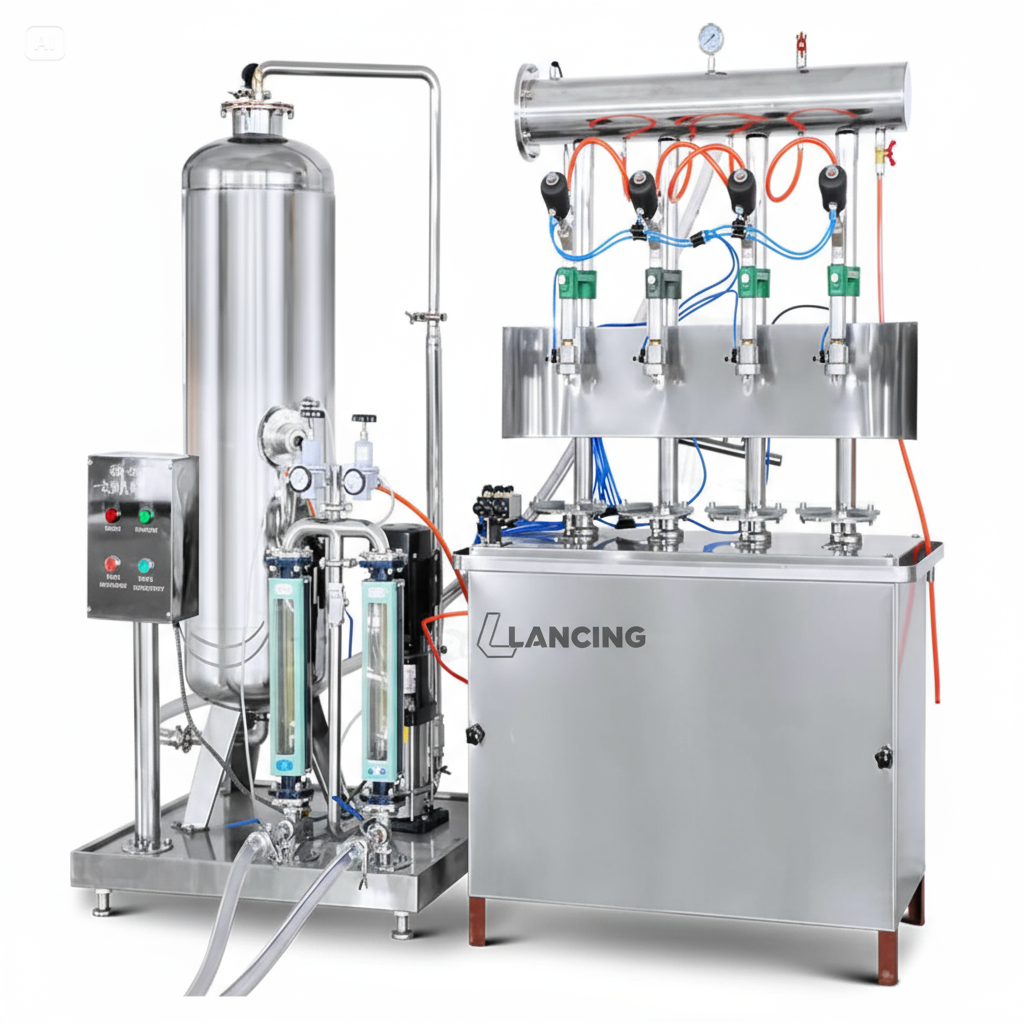
Compare carbonated and non-carbonated liquid filling conditions.
Filling control basis
The correct answer depends on the quantity that must be controlled, density behaviour, tare variation, product in flight, container stability, line duty and the acceptance measurement. The comparison guide separates the dosing principle from end-of-line checking.
Use the actual product, quantity declaration and container tare to compare control methods.
Review weight-based filling categories and pack formats.
Plan filling, checking, sampling and record responsibilities.
For a food filling machine handling fruit preparations, chunky sauces or similar mixtures, describe the solid ingredients separately from the surrounding liquid. Record the largest pieces, their shape and fragility, the expected proportion of solids and whether they float, settle or cluster during the batch. A viscosity description alone cannot explain how the finished product must look.
Send a representative production mixture and the intended containers for the trial. Explain the normal product temperature and how the mixture reaches the filler, including any holding, transfer or mixing stage. Ask which parts of the proposed product path need to be checked for clearance and gentle handling. A successful trial with a smooth substitute does not establish that your actual pieces will pass through intact or remain evenly distributed.
Agree how to assess samples from the beginning, middle and end of the run. Check delivered quantity alongside an agreed assessment of the solids, their condition and the distribution between packs. Retain examples and record the feed conditions so an apparent improvement can be repeated. If holding time or replenishment changes the mixture, include that condition in the review. Use the results to specify the required configuration and cleaning access; do not assume every filler in a range handles every inclusion.
No. Packs with similar total weight can contain different proportions or conditions of solid ingredients. Agree a product-specific check for composition and piece integrity as well.
Water may help demonstrate basic operation, but it cannot validate the handling of your actual mixture. Use representative product at its intended filling conditions before approving the application.
Compare paste filling machines Food and drink production machinery
© Copyright 2025 by Lancing Ltd - all right reserved terms & conditions