Buyer resource hub
Browse all selection, integration, acceptance and operational guides.

Catalogue guidance
The catalogue covers individual packaging machines and complete line modules. Use the process, product and pack information below to move from a broad equipment list to a technically relevant shortlist.
| Process | Typical selection variables | Relevant catalogue |
|---|---|---|
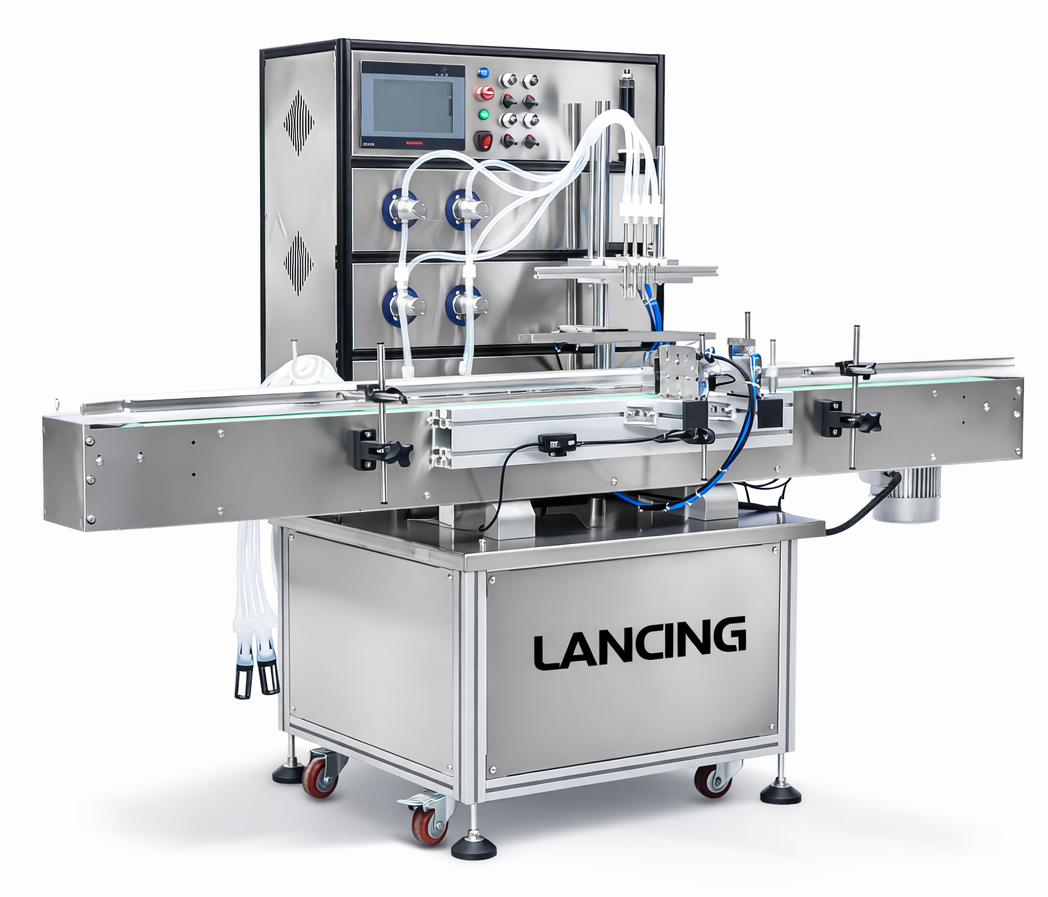
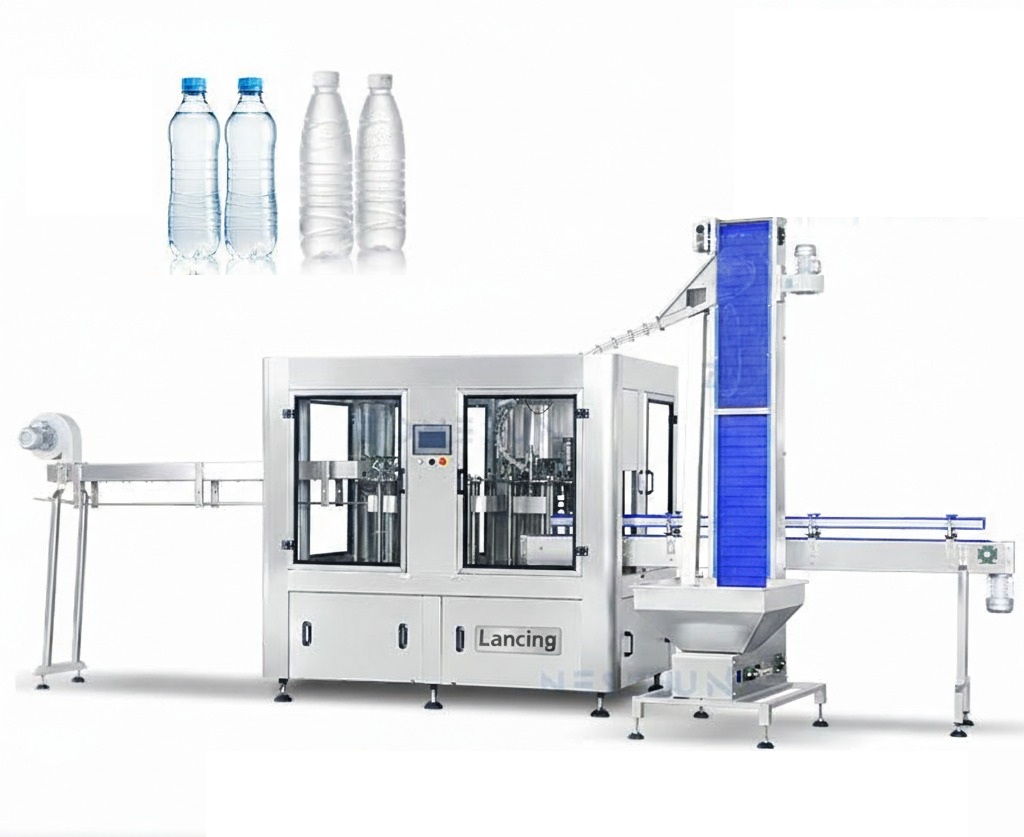
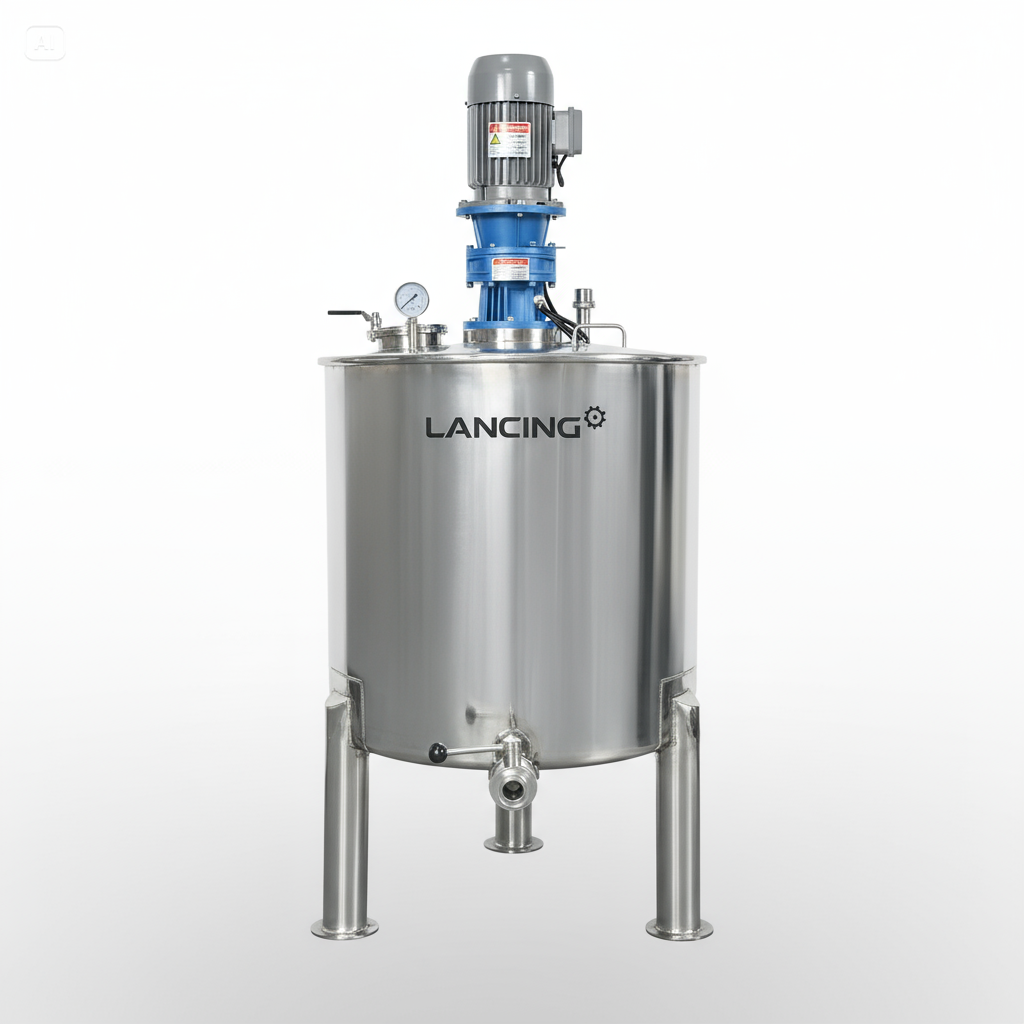
| Filling and dosing | Liquid or powder behaviour, dose range, particulates, foaming, hygiene and cleaning | Filling machinery |
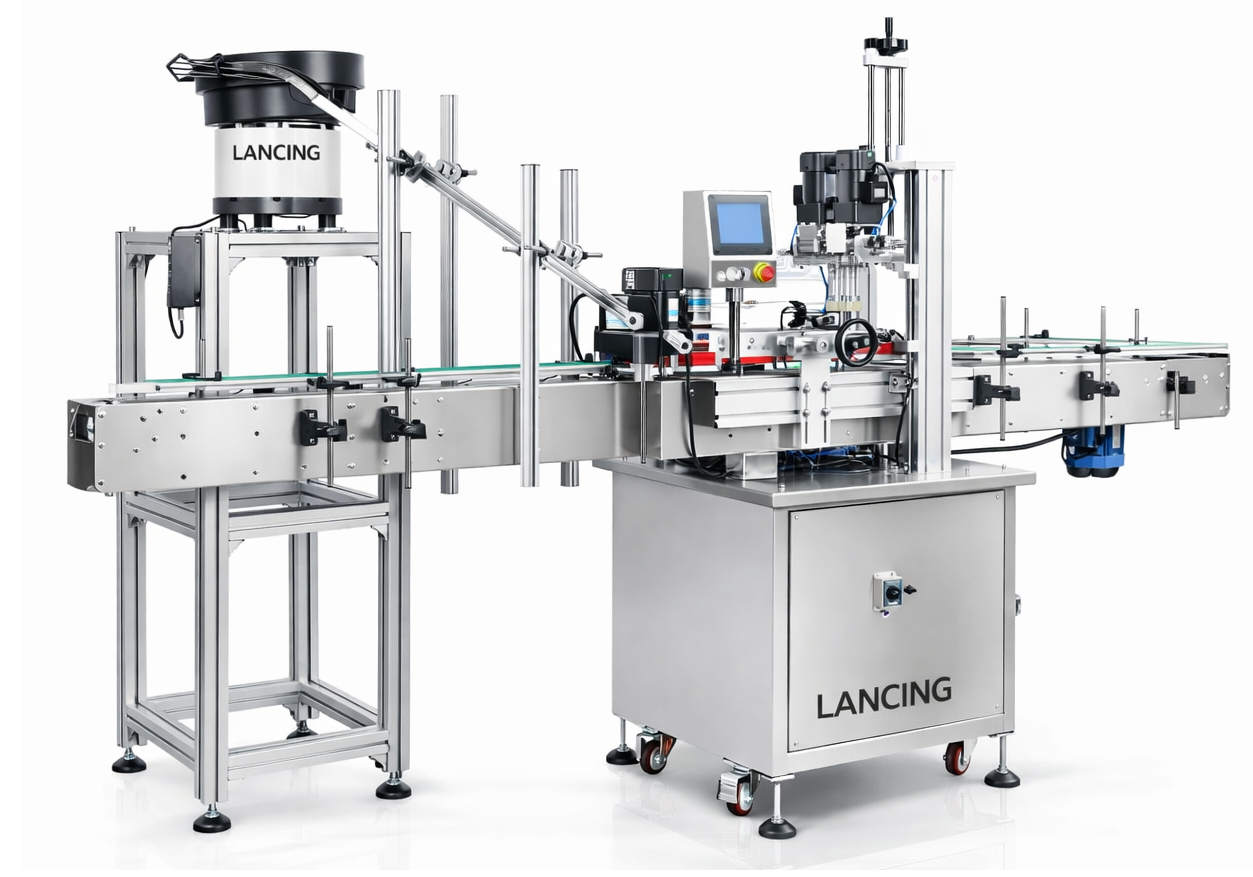
| Closure application | Cap or closure type, torque, neck finish, cap presentation and container stability | Capping machinery |
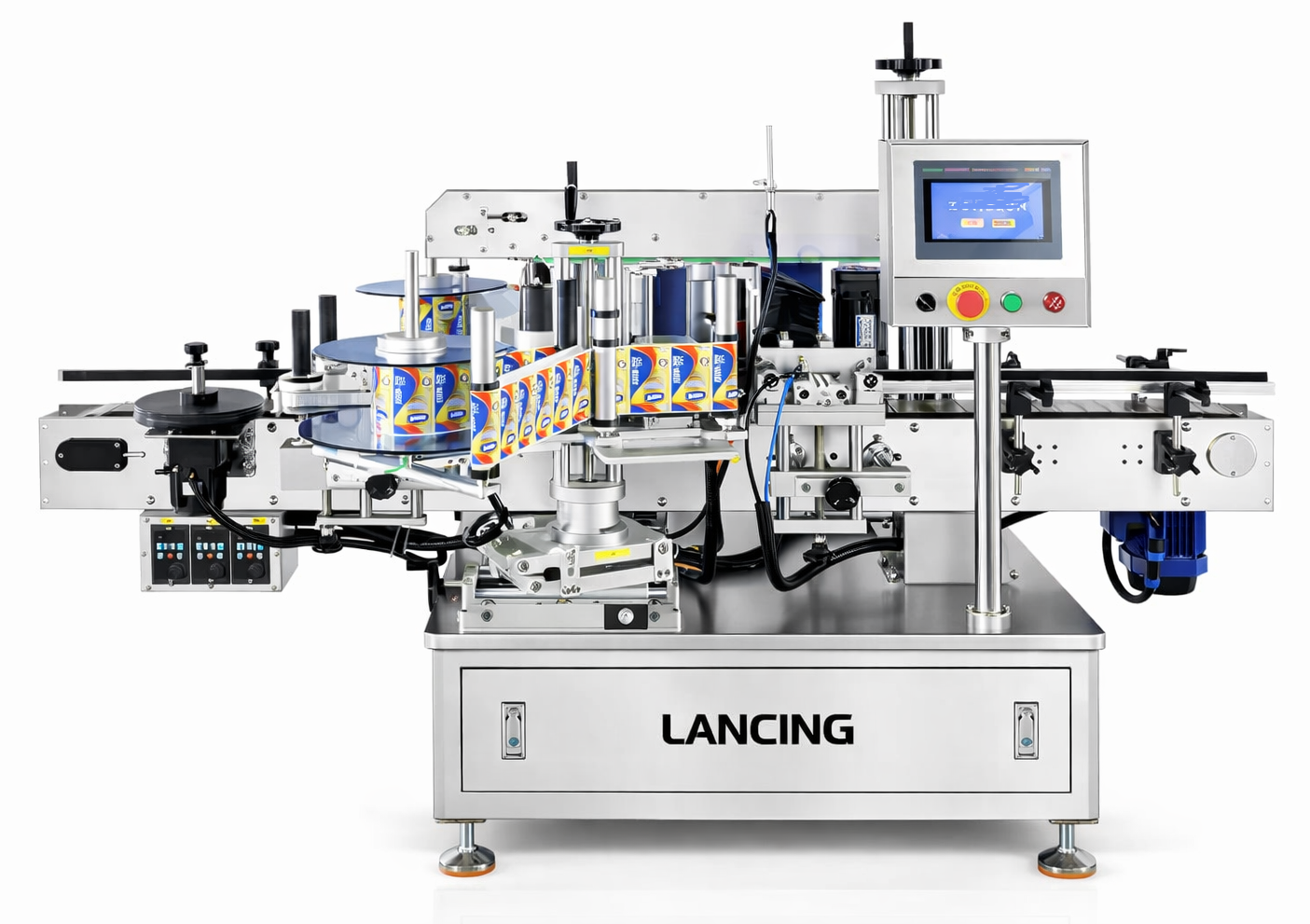
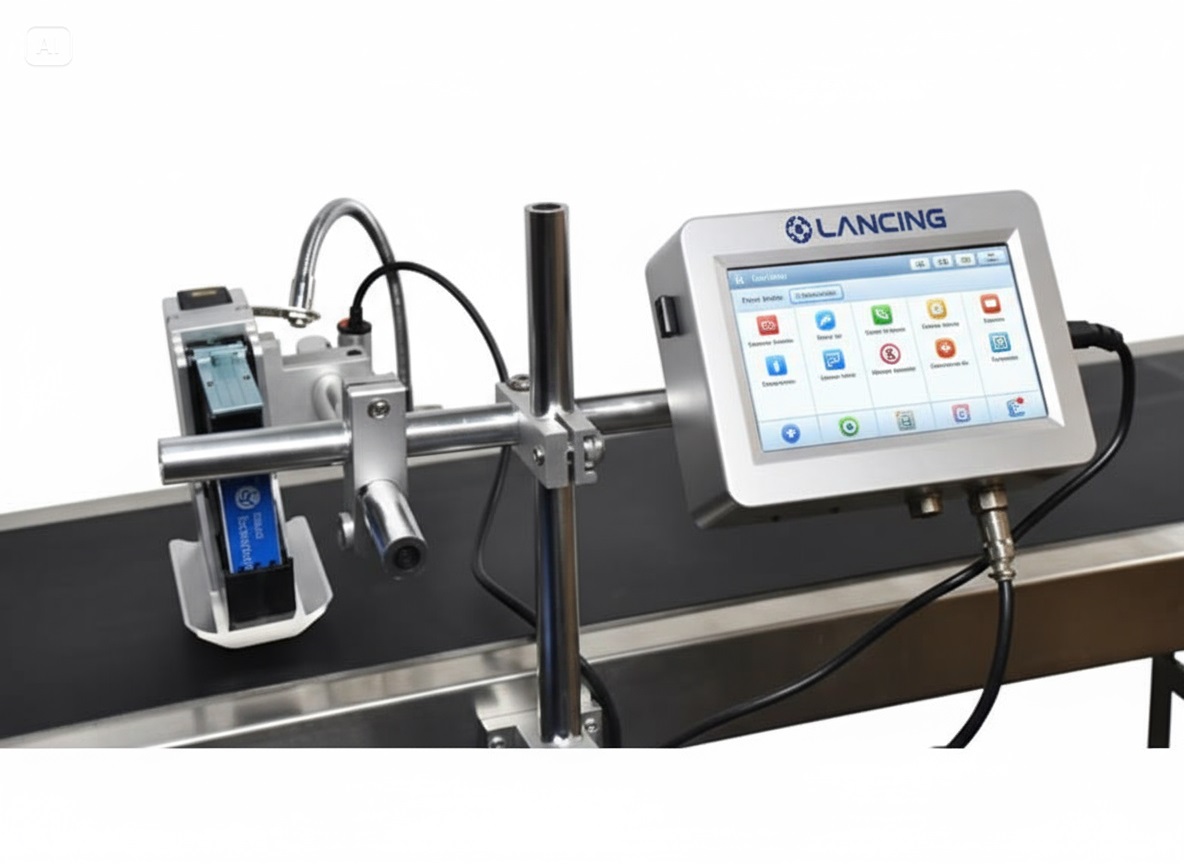
| Labelling and identification | Container geometry, label construction, application panel, print data and verification | Labelling machinery |
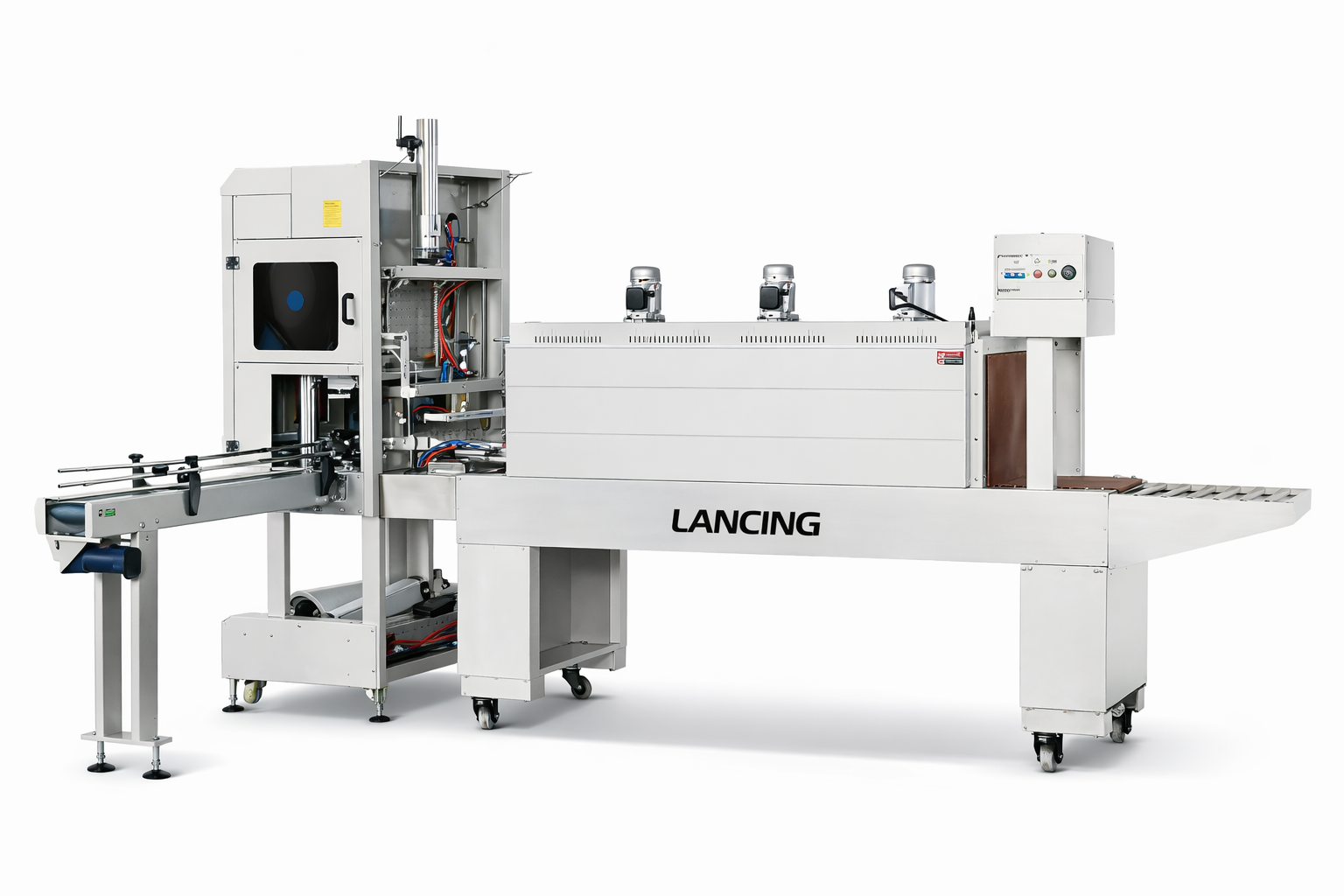
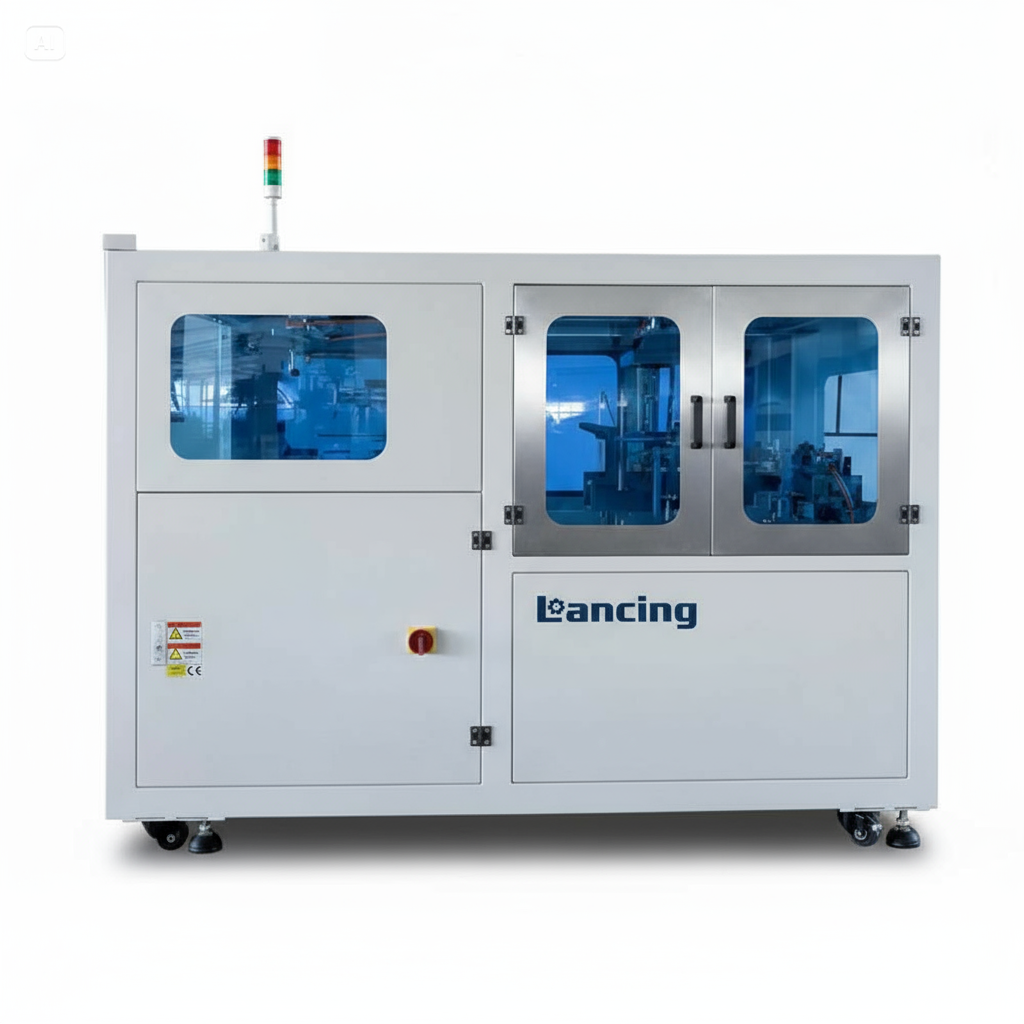
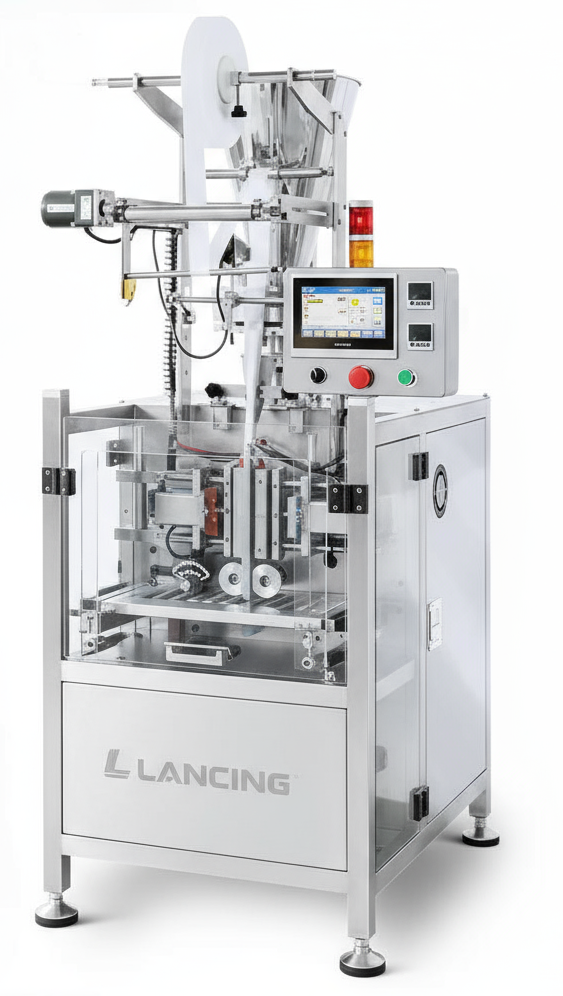
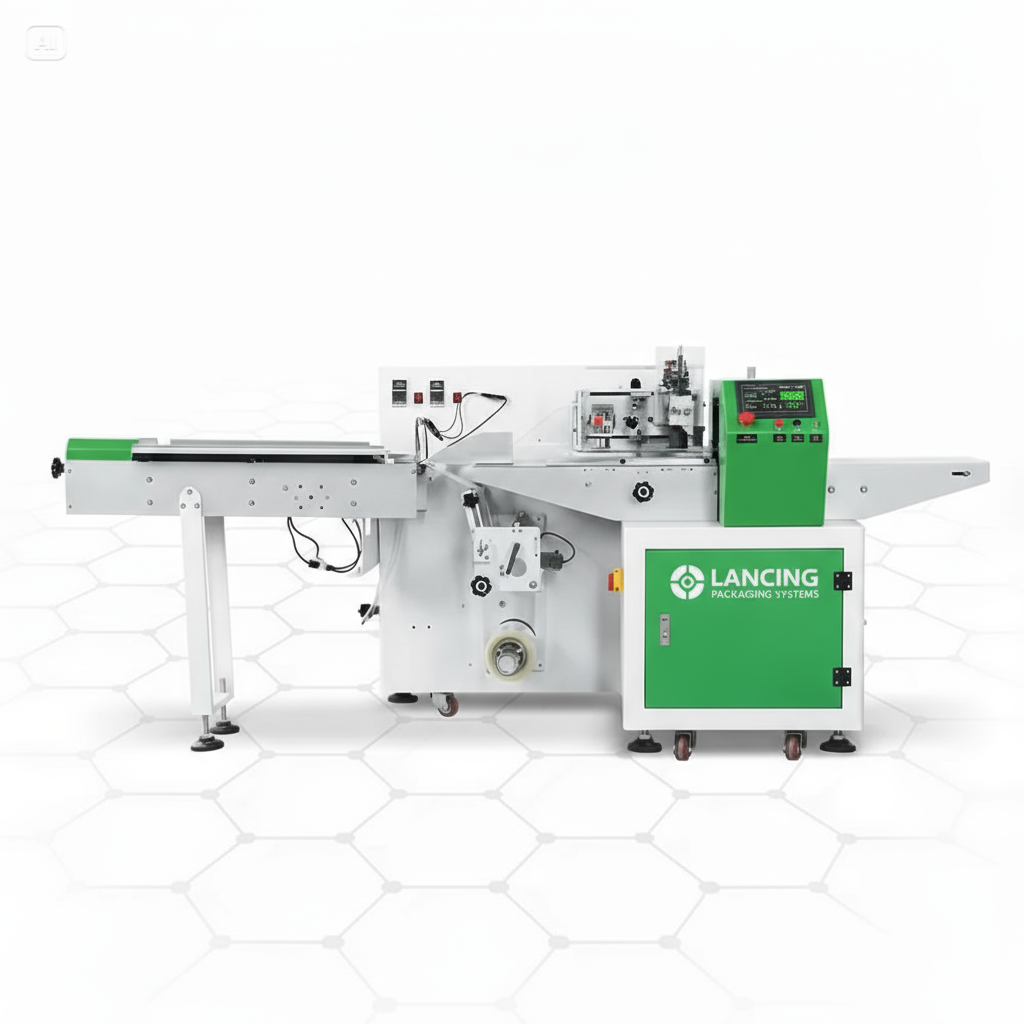
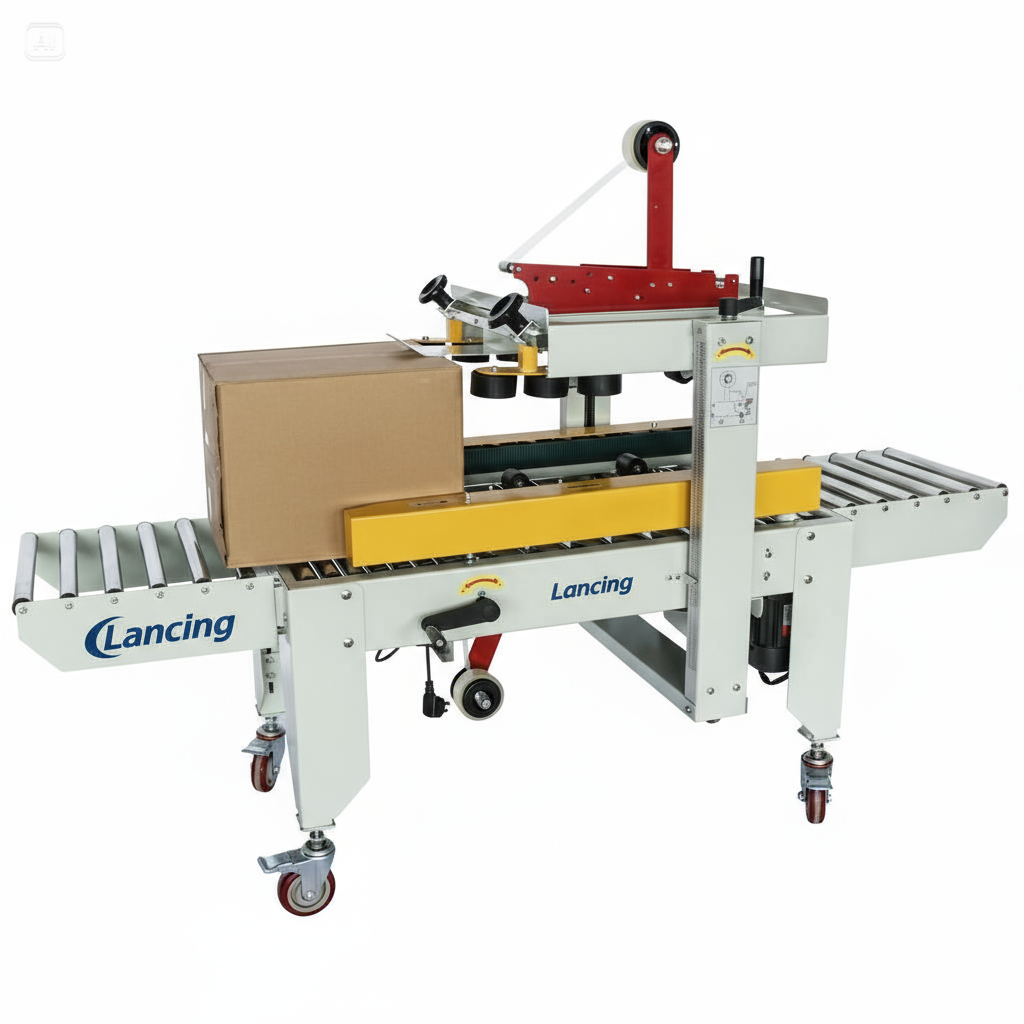
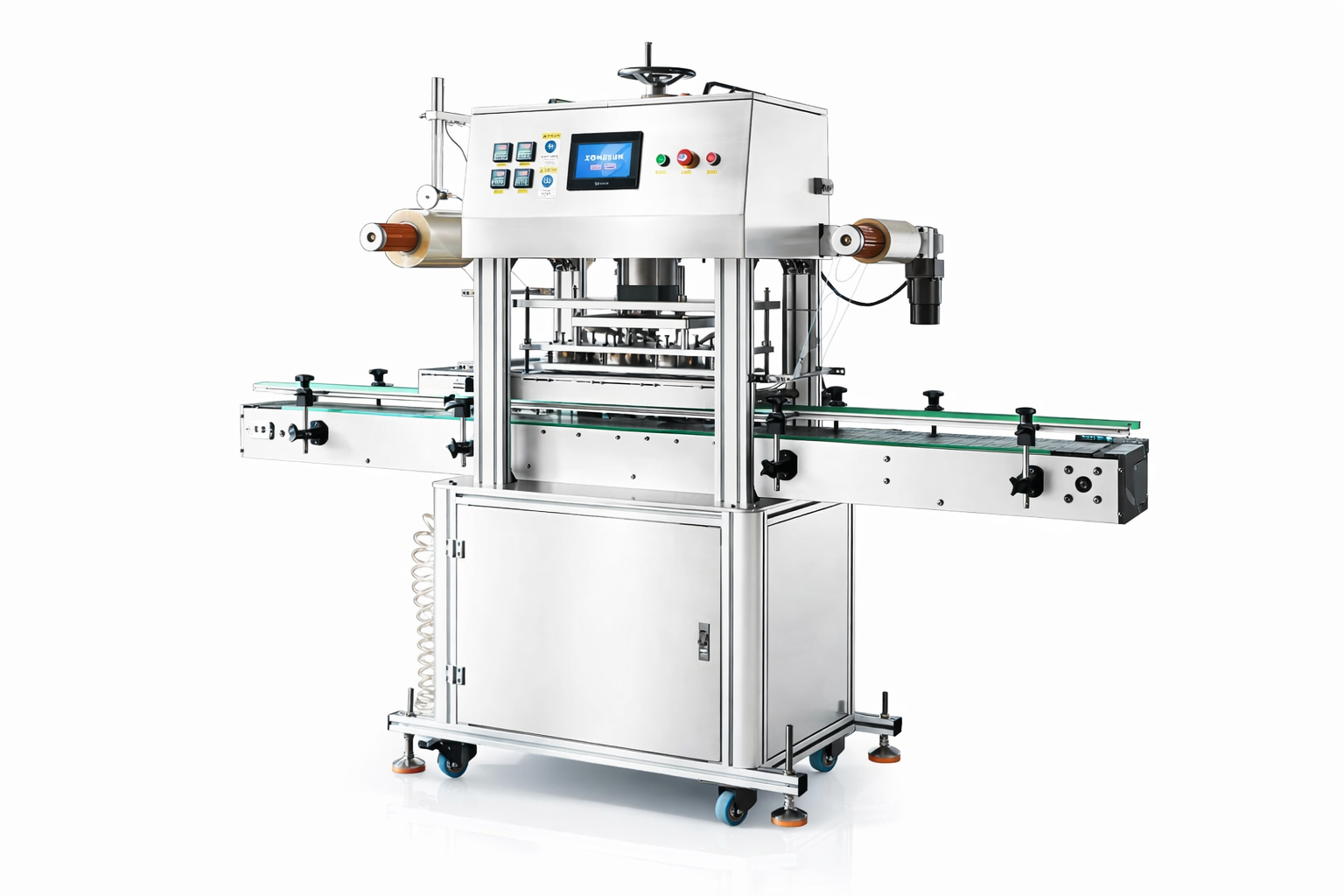
| Primary or secondary wrapping | Product dimensions, film, seal position, presentation, grouping and protection | Flow wrapping and shrink wrapping |
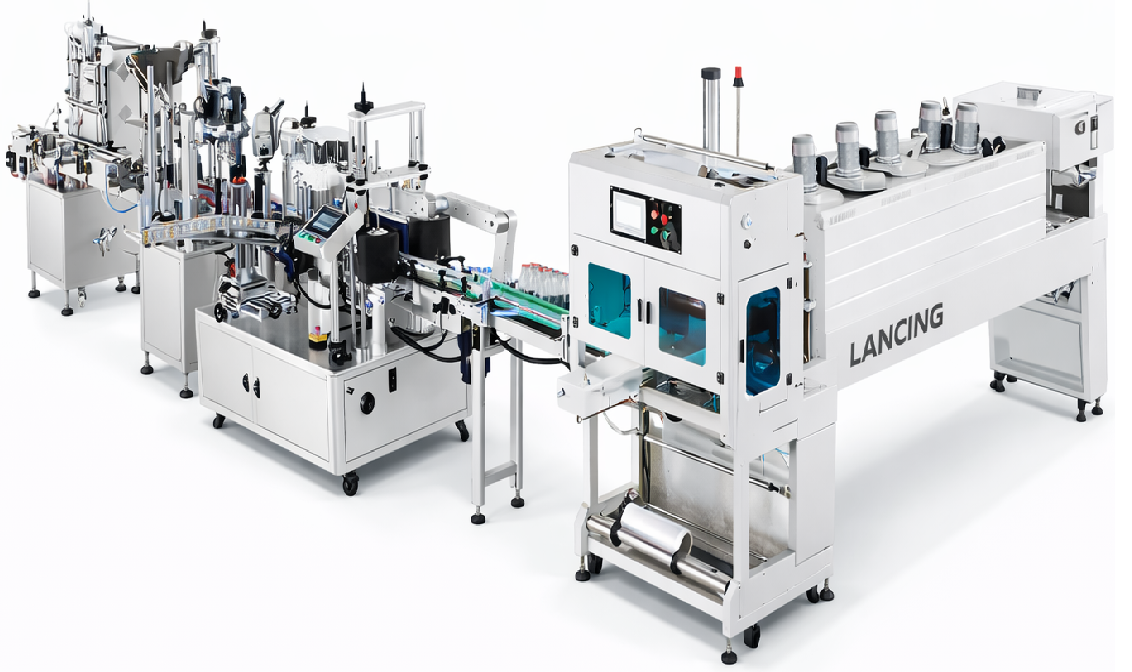
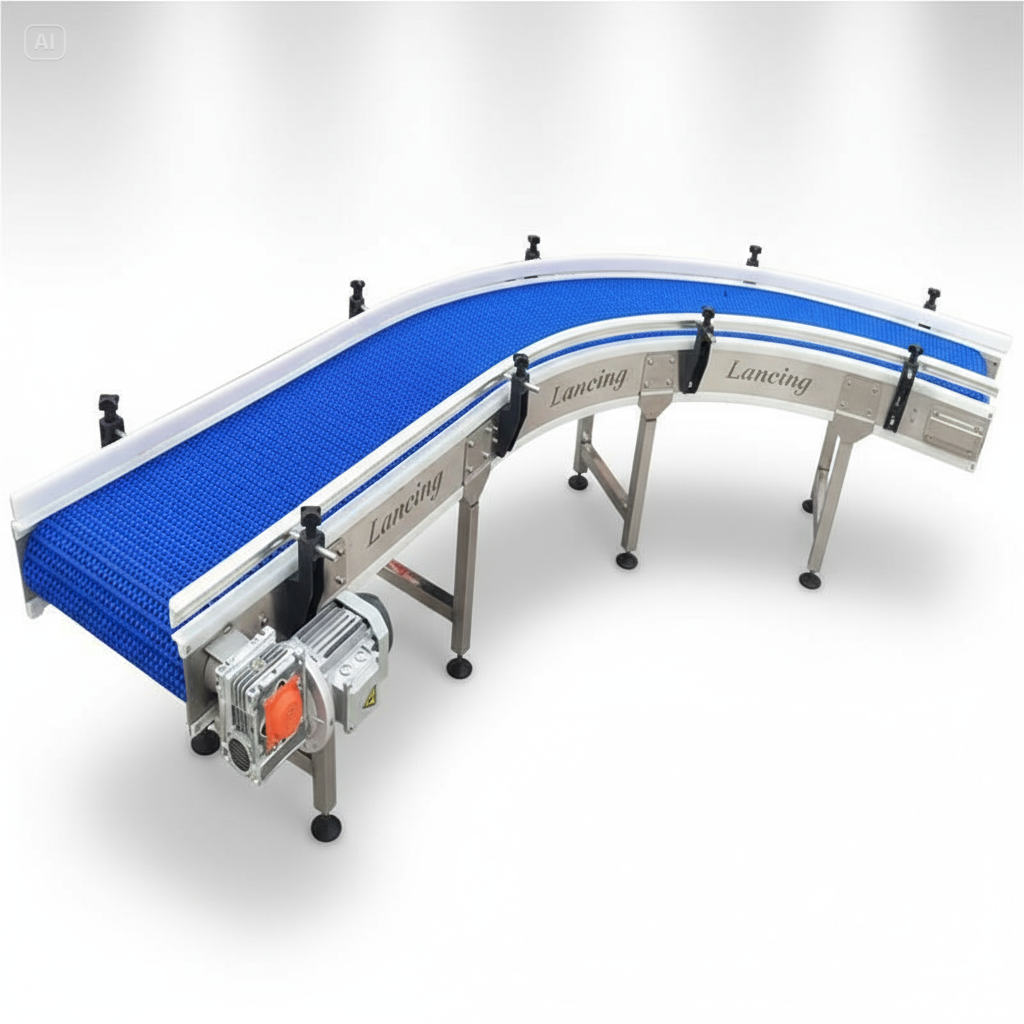
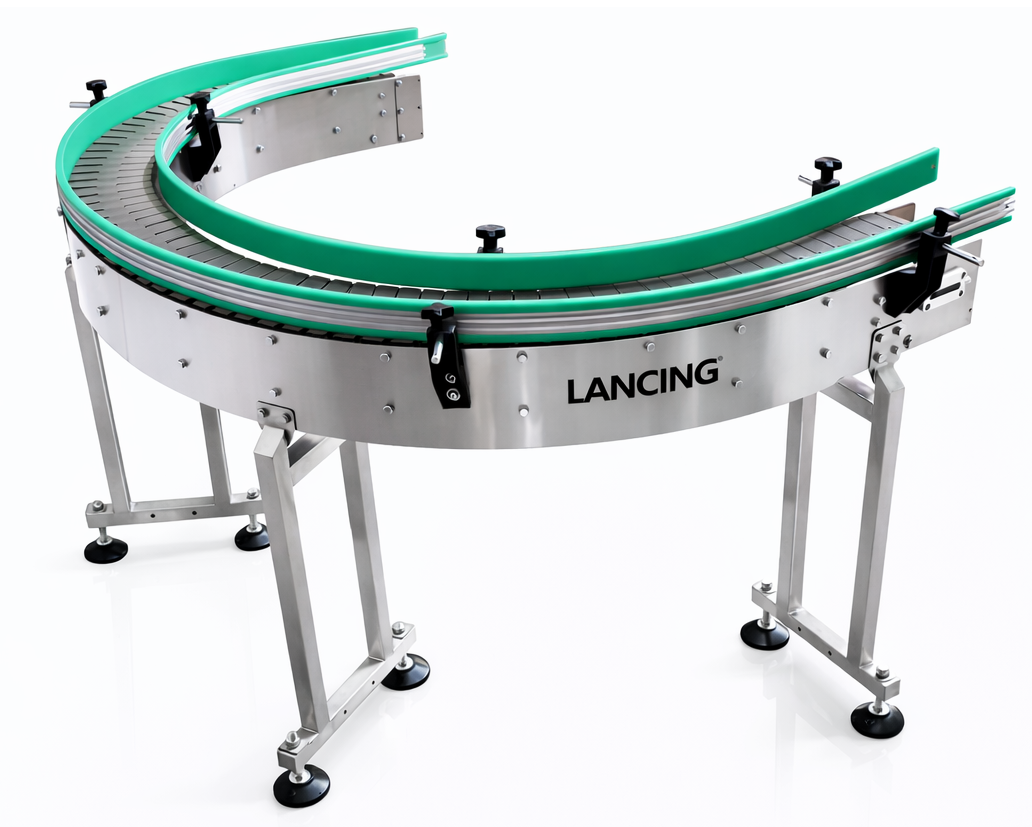
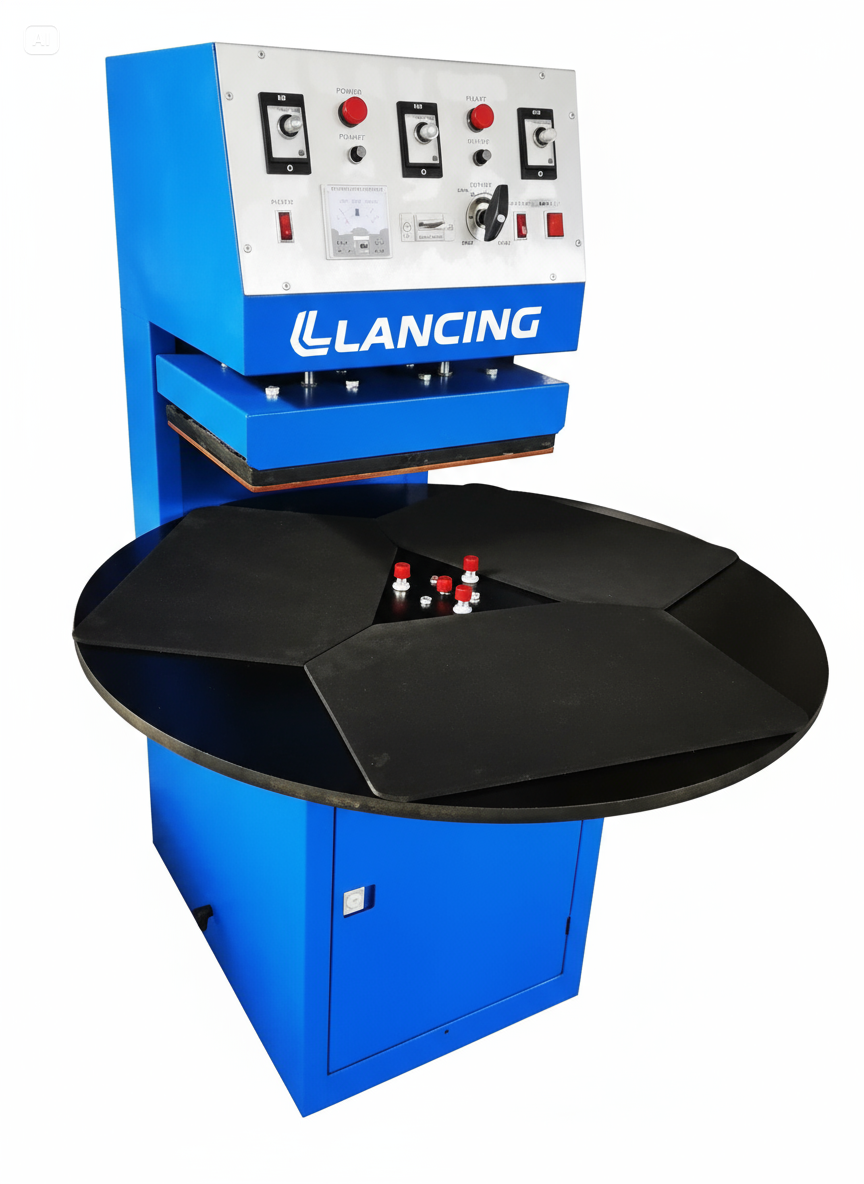
| Line movement and integration | Transfer height, orientation, accumulation, sensors, controls and available footprint | Lines and utilities |
State whether the machine will be manually loaded, conveyor fed or connected to another station. A machine used for occasional short runs is specified differently from equipment that must run continuously across several shifts.
Include every format that needs to run. The widest diameter, tallest pack or largest fill is not enough on its own; the smallest and least stable format can be the limiting case.
Provide samples, drawings and photographs where possible. For liquids and pastes, include viscosity and temperature. For powders, include flow behaviour and dust. For labels and films, include roll dimensions and material construction.
Where output is important, define the pack and test conditions. This avoids treating a reference machine speed as a guaranteed production rate.
Not sure which category owns the application? Use the selection guide, then send one enquiry covering the complete process.
Open the selection guideBegin with the finished pack and the product. The same nominal process can need different equipment when container shape, closure, label, film, hygiene or output changes.
A stand-alone machine performs one process and can be loaded or unloaded manually or by an existing conveyor. A complete line coordinates several stations, transfers and controls so that the pack moves through the full sequence.
Samples allow the product, container, closure, label or film to be checked against the proposed handling method. They reduce uncertainty around grip, feeding, sealing, dosing and change parts.
Some projects can begin with a semi-automatic station and later add conveyors or automatic handling, but this must be considered during selection. The practical upgrade route depends on the machine and pack.
No. The useful rate is the sustainable output of the complete process, including loading, feeding, changeovers, cleaning, inspection and downstream handling.
Catalogue planning resources
Use the catalogue to identify candidate processes, then document the operating conditions that determine the configuration, change parts, feeding, controls, testing and installation scope.
| Decision | Guide | Information to prepare |
|---|---|---|
| Which process? | Packaging machine selection | Product, pack, closure, label or film, acceptable output and quality result. |
| How much automation? | Automatic vs semi-automatic | Operator task, batch pattern, component stability, future integration and available space. |
| How will machines connect? | Line integration | Heights, direction, pitch, accumulation, controls, faults, safety boundaries and utilities. |
| How will suitability be proven? | Sample trial | Representative materials, test sequence, measurements and retained samples. |
| What changes quotation scope? | Cost factors | Formats, feeding, tooling, controls, documents, installation, training and spares. |
Browse all selection, integration, acceptance and operational guides.
Check access, footprint, utilities and working clearances.
Use current official guidance and a competent site-specific assessment.
Ready to discuss the application?
Send the application details to Lancing for a tailored machinery review.
Catalogue buyer questions
A broad catalogue is most useful when it is filtered by process evidence. The following questions help buyers compare equipment categories without assuming that machines with similar names will deliver the same result on the actual product and pack.
Filter the catalogue by the operation that changes the pack: dosing, filling, closing, labelling, coding, wrapping, sealing, conveying or complete-line integration. Then add the product behaviour, pack format, automation level and required interfaces.
For example, a buyer searching for a filler should separate liquid, paste, powder or granule duties before comparing dosing principles. A buyer searching for a wrapper should define whether film is formed around a product, shrunk around a collated pack or made into a bag on the machine.
The question hub links each decision to a deeper comparison.
Compare the stated application scope, included formats, assumptions, exclusions, change parts, controls, guarding, utilities, documentation, testing and acceptance method—not the machine title alone. A lower price may reflect a narrower boundary rather than an equivalent solution.
Create one comparison sheet based on the same product, pack range, operating conditions and interface responsibilities. Where a supplier has proposed an alternative technology, record why it was chosen and what evidence is required to confirm it.
The cost-factor guide explains why scope changes a quotation.
One platform can cover several formats when the process principle remains suitable and the machine has enough adjustment or verified change parts for the full range. Suitability should be confirmed at the range limits, not inferred from one middle-sized sample.
Check product-contact paths, dose or pack range, container stability, closure or label geometry, film width, access for changeover and the time needed to return to an approved setup. Some ranges are better split between machines when changeovers would be complex or compromise reliability.
Use the automation comparison when format flexibility is a priority.
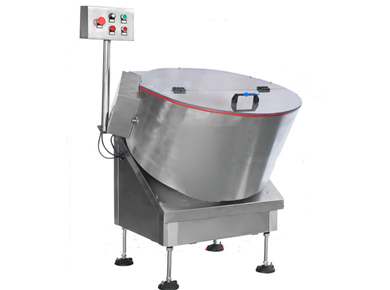
Ancillary equipment can determine whether the primary machine receives and discharges packs consistently. Conveyors, feeders, accumulation, coding, inspection, rejection, extraction and product supply should therefore be considered during selection rather than after the main machine is ordered.
The initial scope does not need every final detail, but it should identify transfer conditions, upstream supply, downstream demand, fault responses and who provides each interface. That prevents a capable machine being installed into an incomplete process.
See the line-integration guide and conveyor guide.
Share one common application brief when comparing catalogue options so machine scope and exclusions can be reviewed on the same basis.
Discuss the applicationFrom catalogue search to a workable specification
A packaging equipment catalogue identifies credible machine families, but the final choice depends on the actual product, container or film, closure, label, output duty, available space and connected equipment. These inputs should be assessed as one process rather than as independent machines.
Define dimensions, stability, orientation and production state.
Define feeding, neck finish, engagement and acceptance.
Define interfaces, recipes, coding, inspection and recovery.
Prepare a technically useful enquiry.
Send the product, pack, output, line and site information to Lancing.
Catalogue decision support
Use the catalogue to review machine families, then use these focused comparisons to define the control method, label or seal process, coding requirement, line constraint and supplier evidence that apply to the project.
Define data, printing, verification, reject logic and trial evidence.
Compare volume and weight control against the real quantity target.
Compare pack shape, decoration, heat process and material supply.
Compare evidence, scope, acceptance, documentation and support.
Separate sustained good output from headline machine speed.
Match the sealing process to the complete packaging construction.
© Copyright 2025 by Lancing Ltd - all right reserved terms & conditions