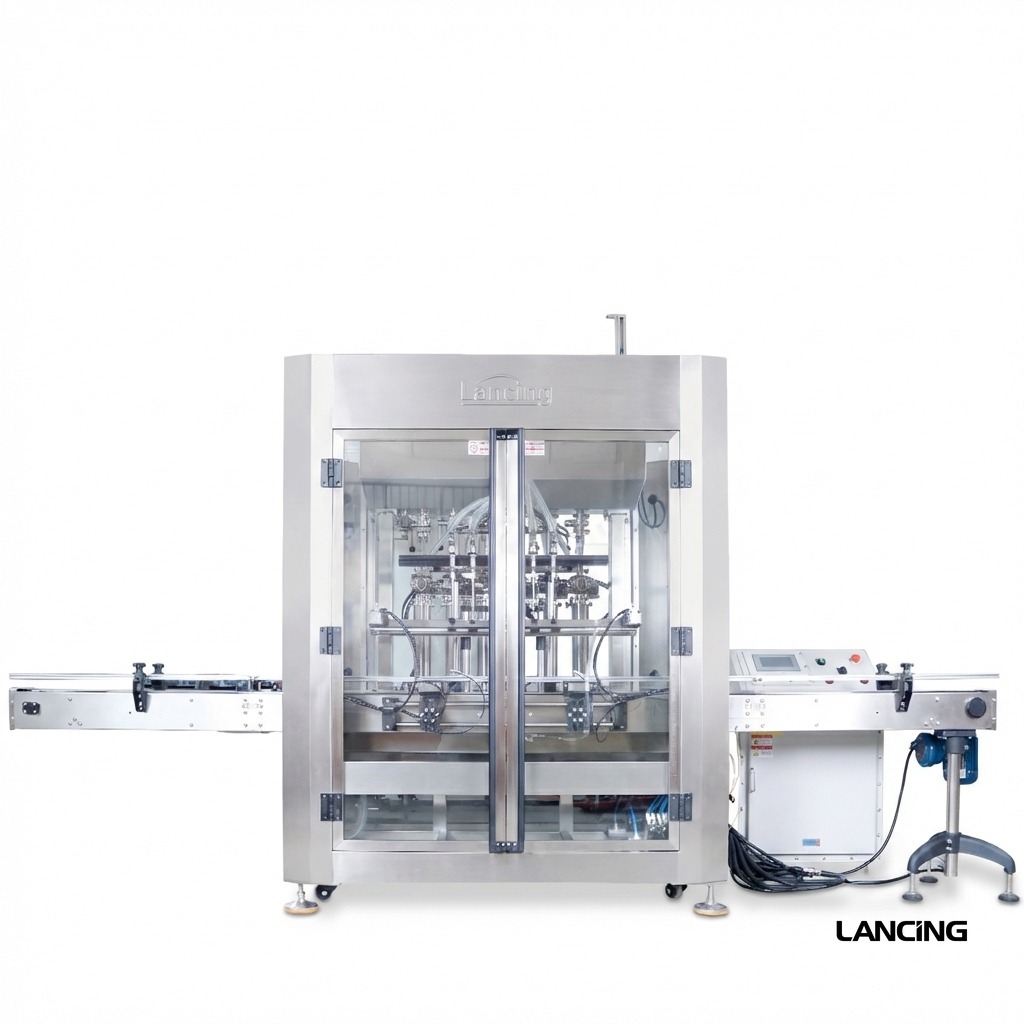
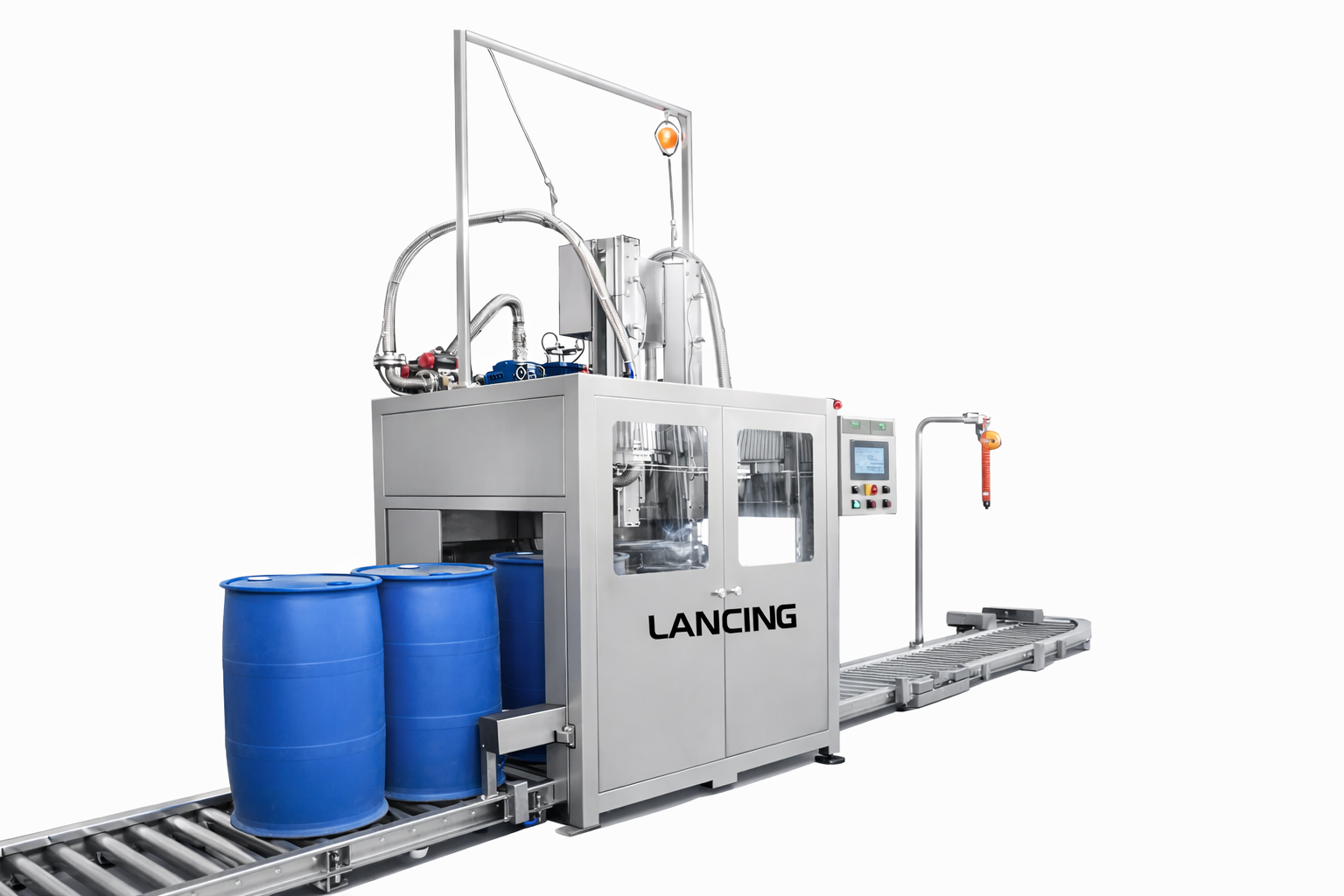
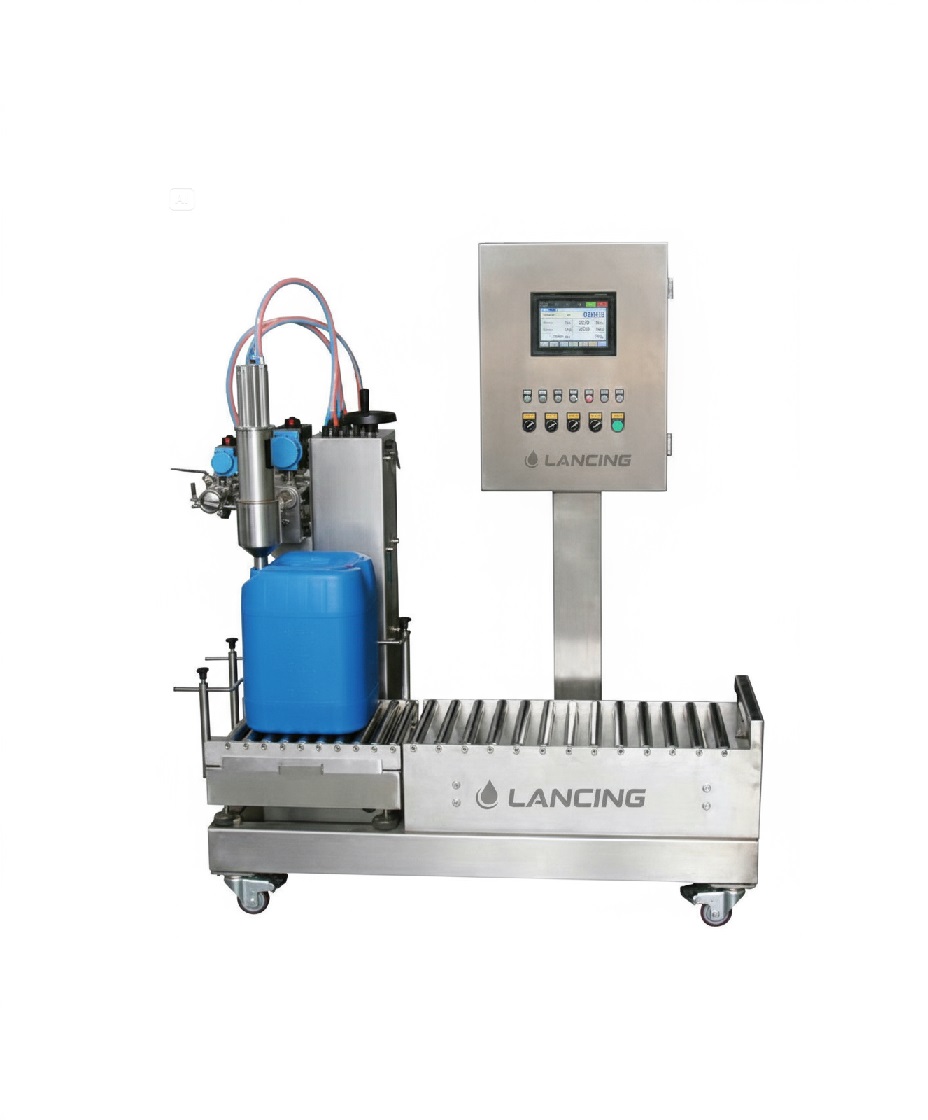
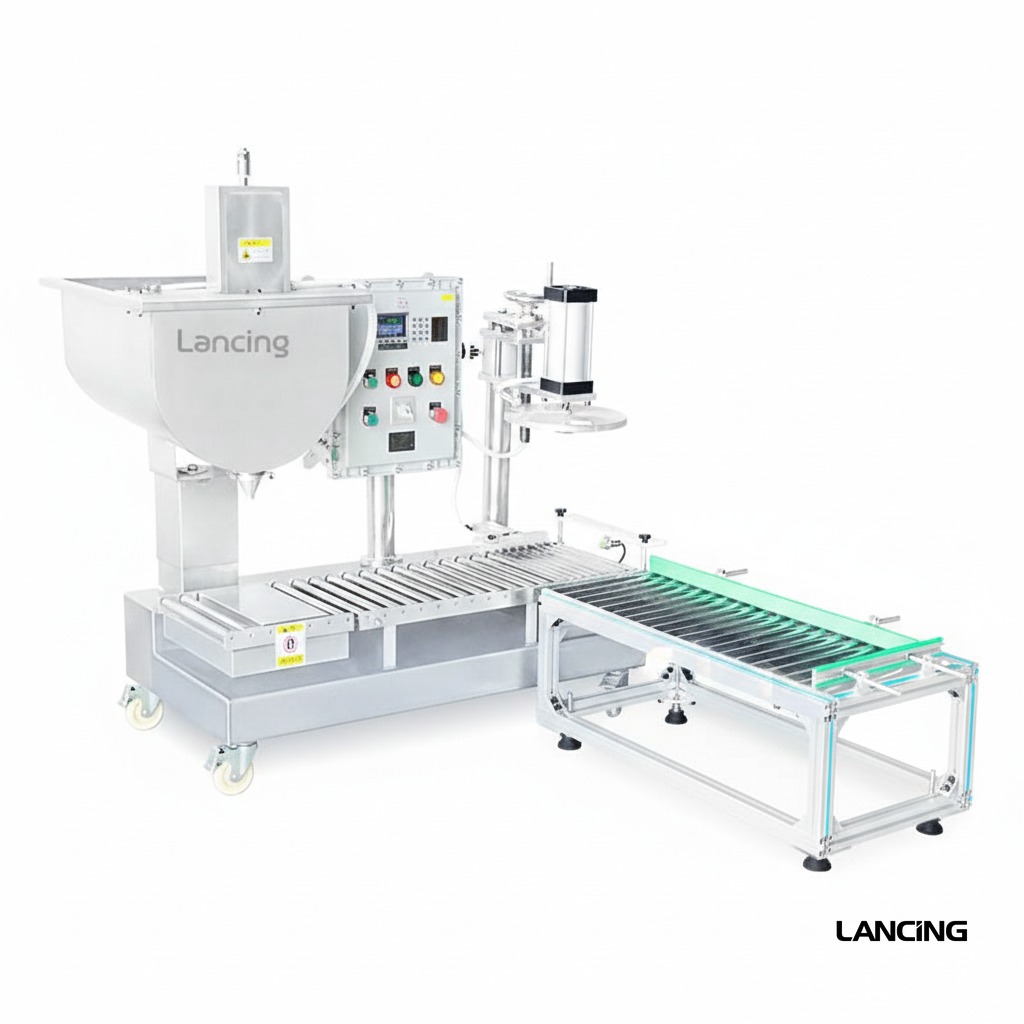
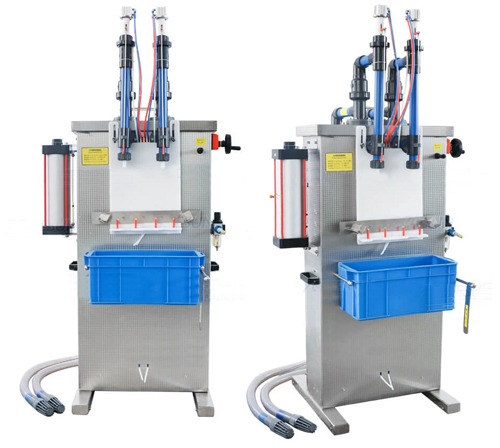
Hazardous-area filling project boundary
Direct answer: Provide the current safety data sheet, process description, release sources, dust or vapour information, hazardous-area classification, equipment category or protection requirements derived by competent assessment, product-contact compatibility, ventilation, earthing, container, closure and cleaning method. Do not select “ATEX filling equipment” from a product name or zone label alone.
In Great Britain, the HSE explains that DSEAR requires employers to assess and control risks from dangerous substances and potentially explosive atmospheres. Use the current HSE DSEAR guidance and the site's competent assessment as the design basis.
Identify the product vessel, pumps, hoses, filler, conveyors, extraction, coding, capping, electrical panels, sensors and surrounding work area. The boundary and interfaces determine whether a component-level statement is sufficient or whether the assembled line needs additional assessment.
No. A trial can assess dosing, container handling and cleaning behaviour, but it does not replace classification, ignition-risk assessment, material compatibility or conformity work. Trial arrangements must themselves be reviewed for safe handling of the substance.
Final selection requires application-specific assessment by competent people using the current substance, process and site information.
© Copyright 2025 by Lancing Ltd - all right reserved terms & conditions