


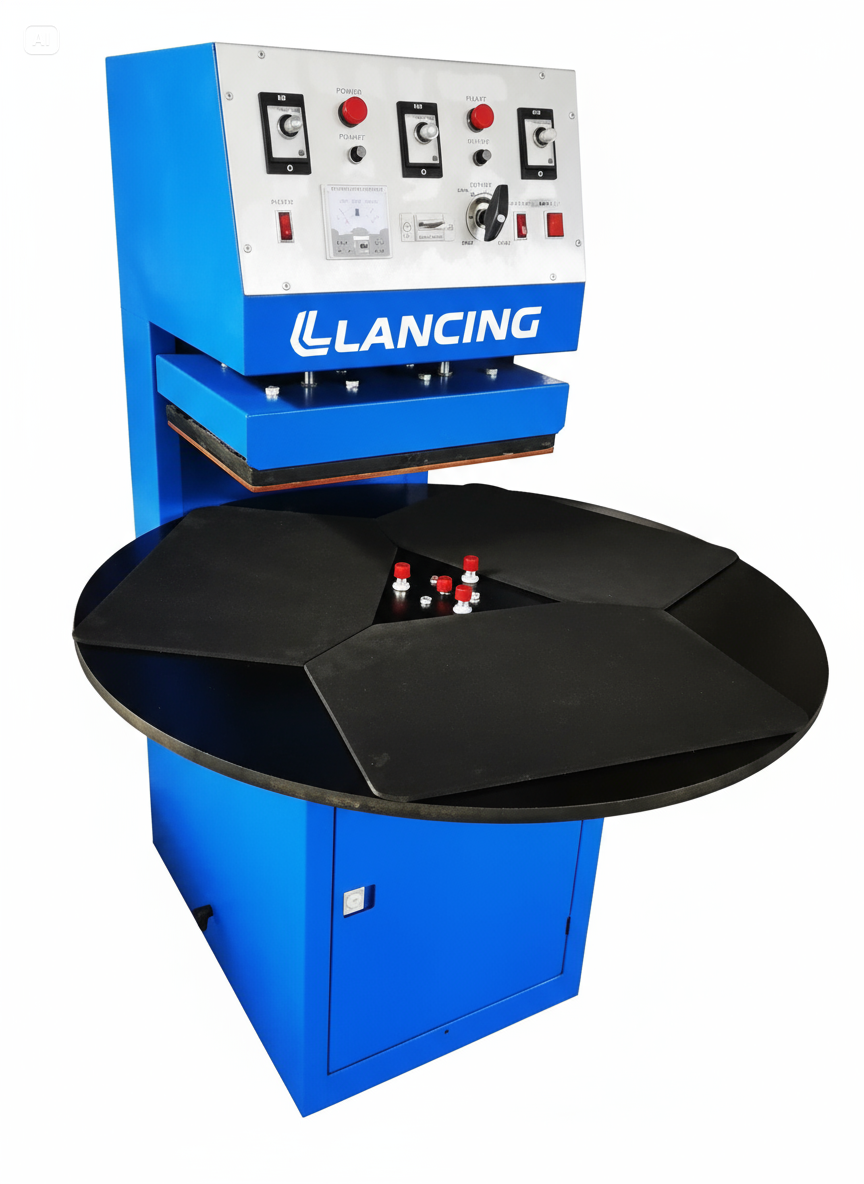

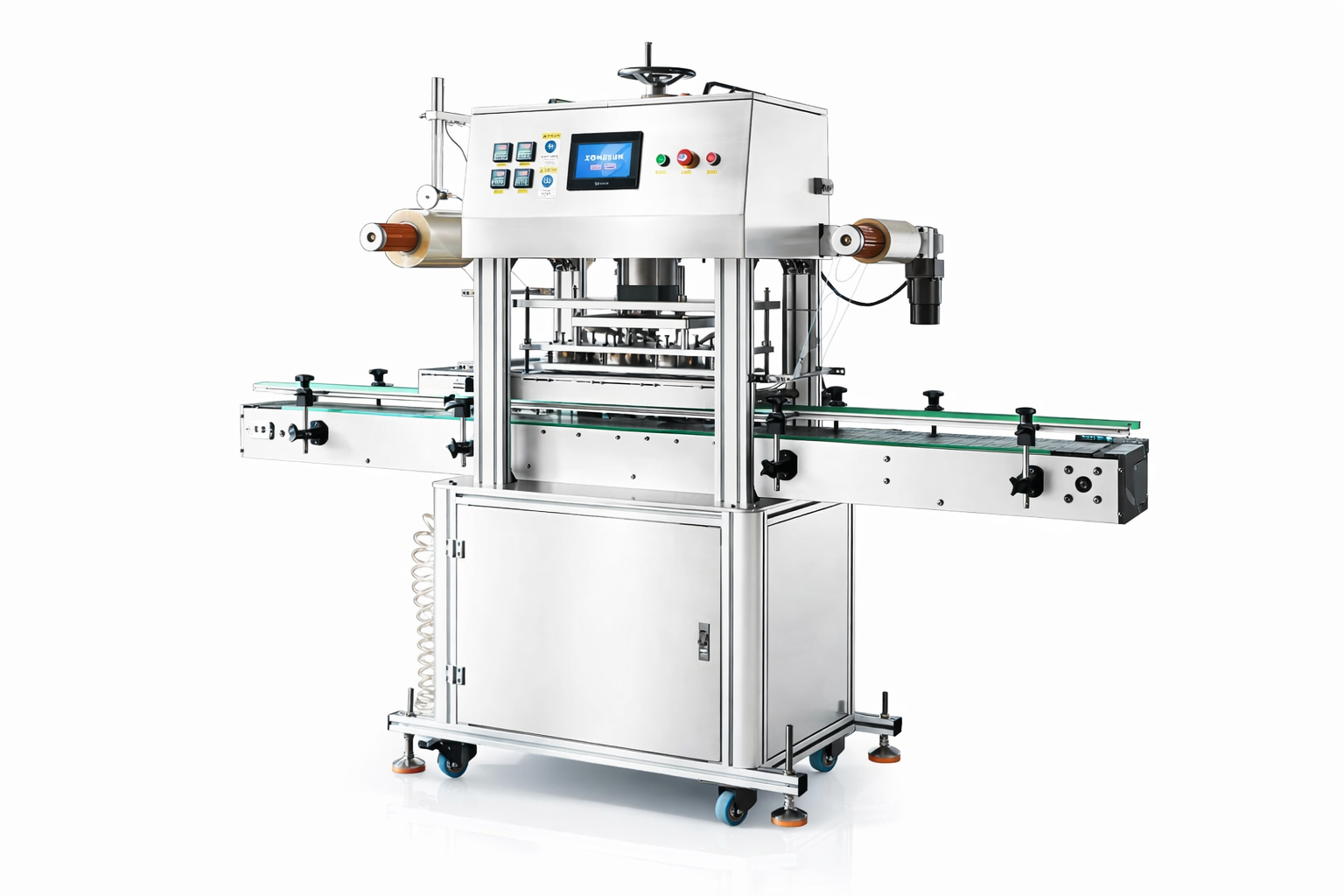
Maintenance and spares guide
Create an equipment register, task plan and risk-based critical stock.

Reliability support
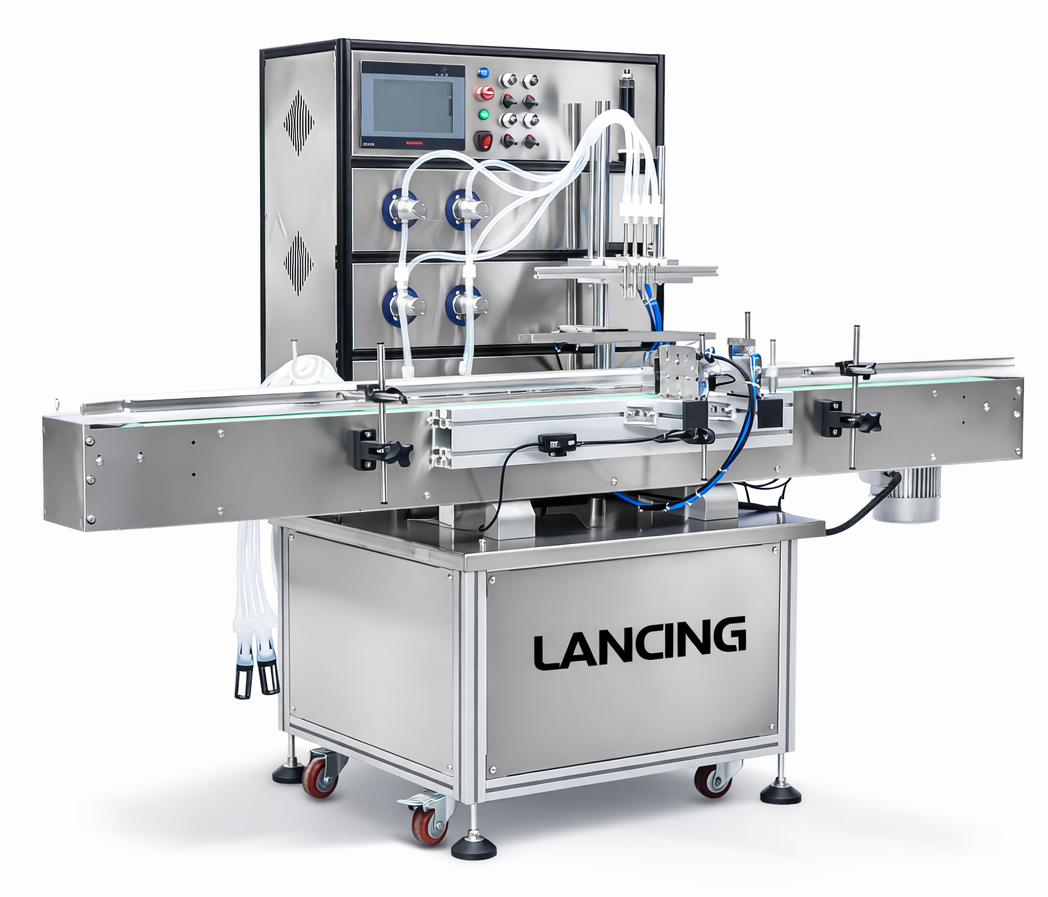
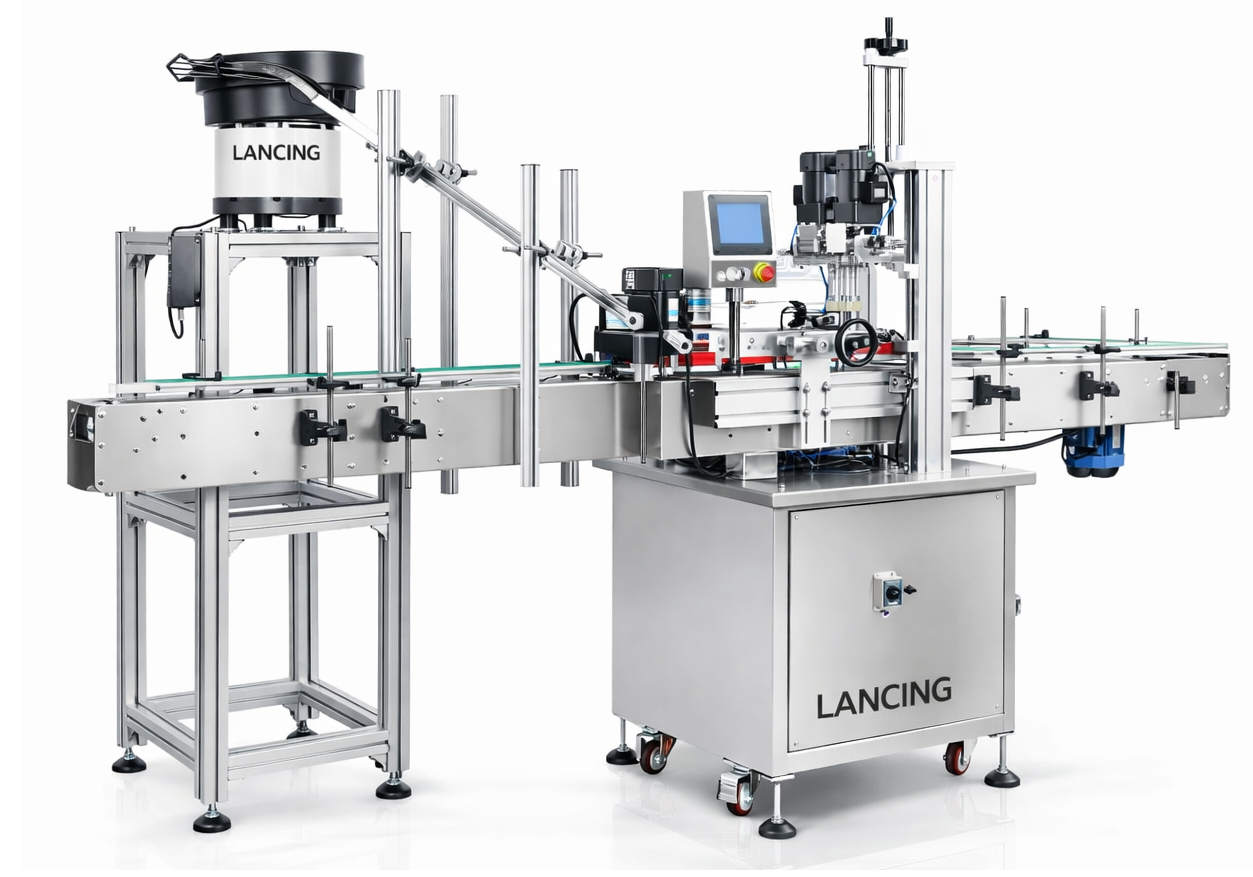
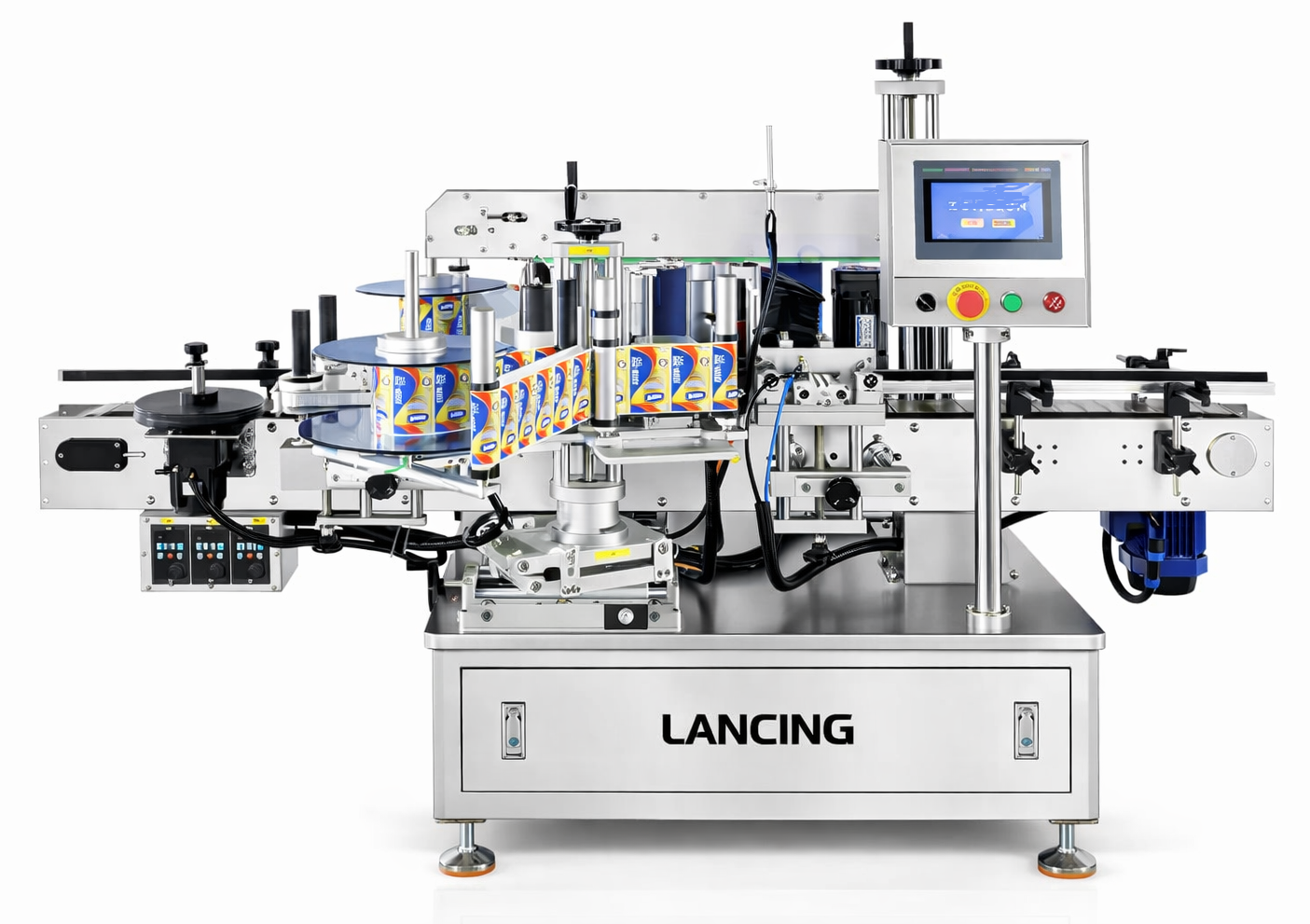
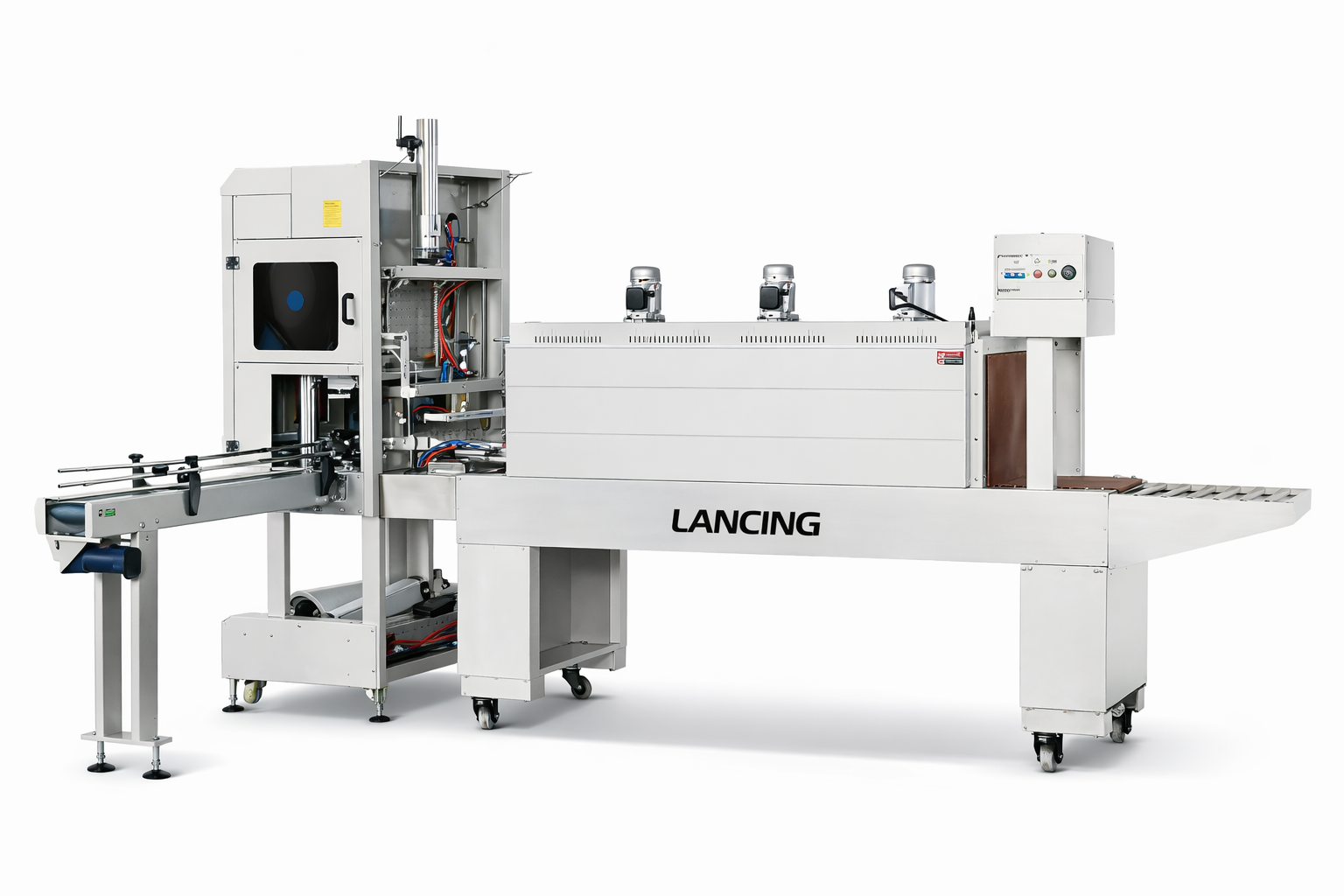
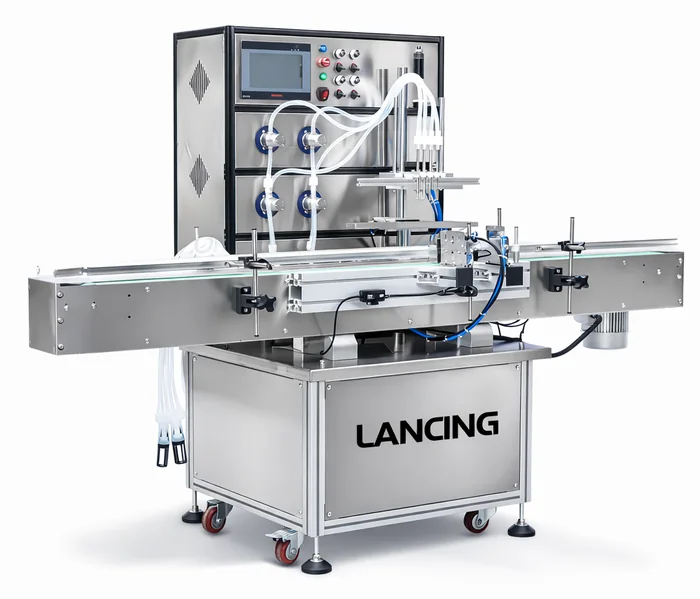
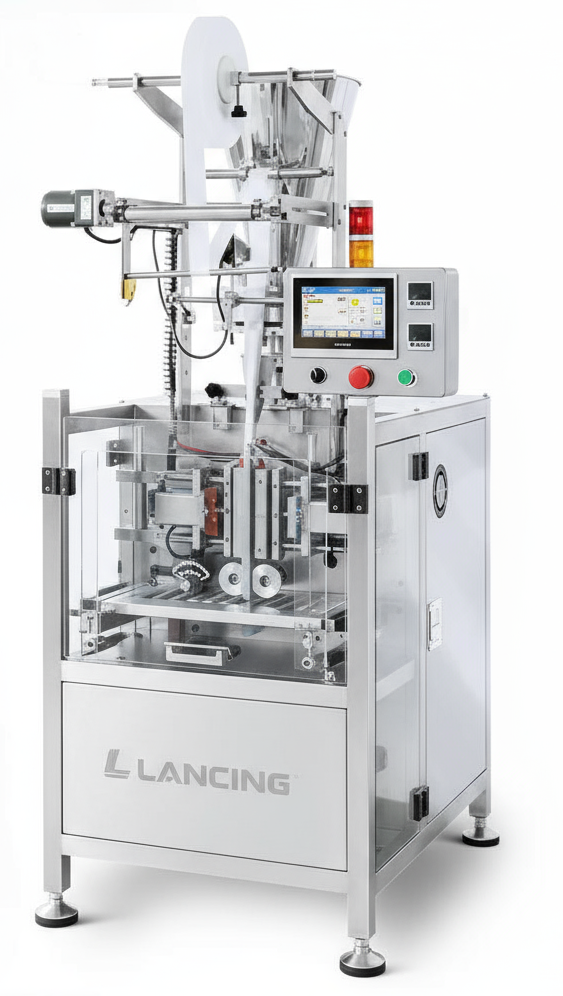
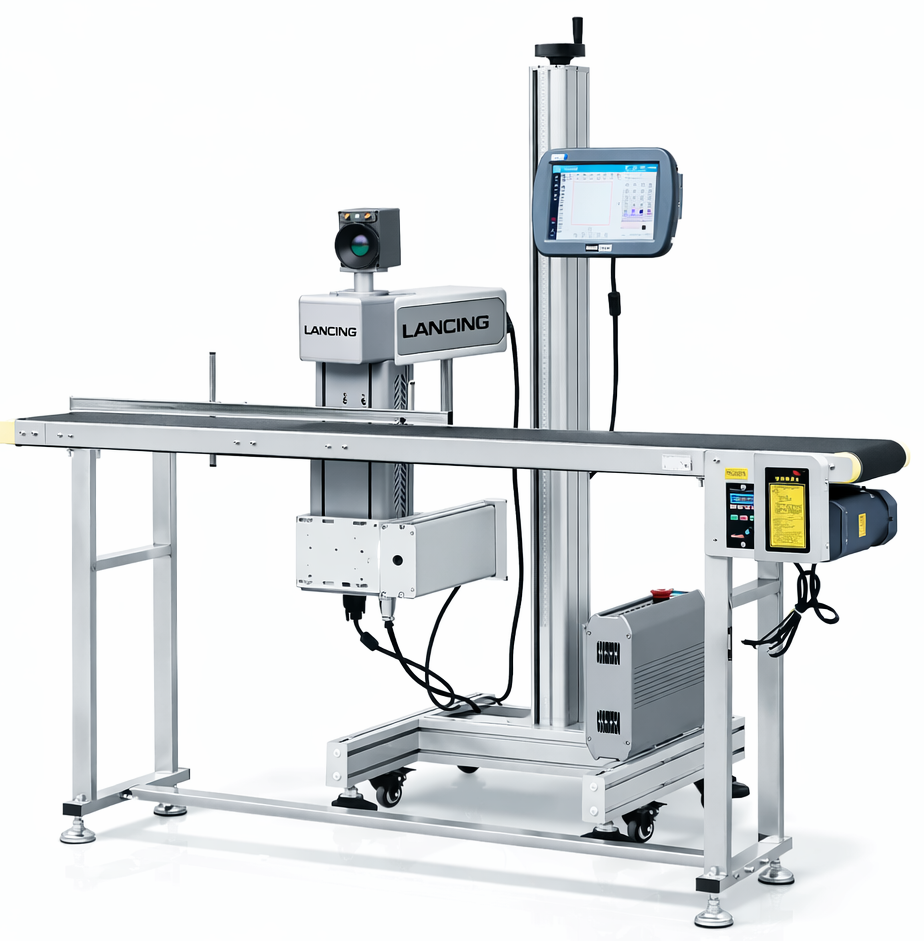
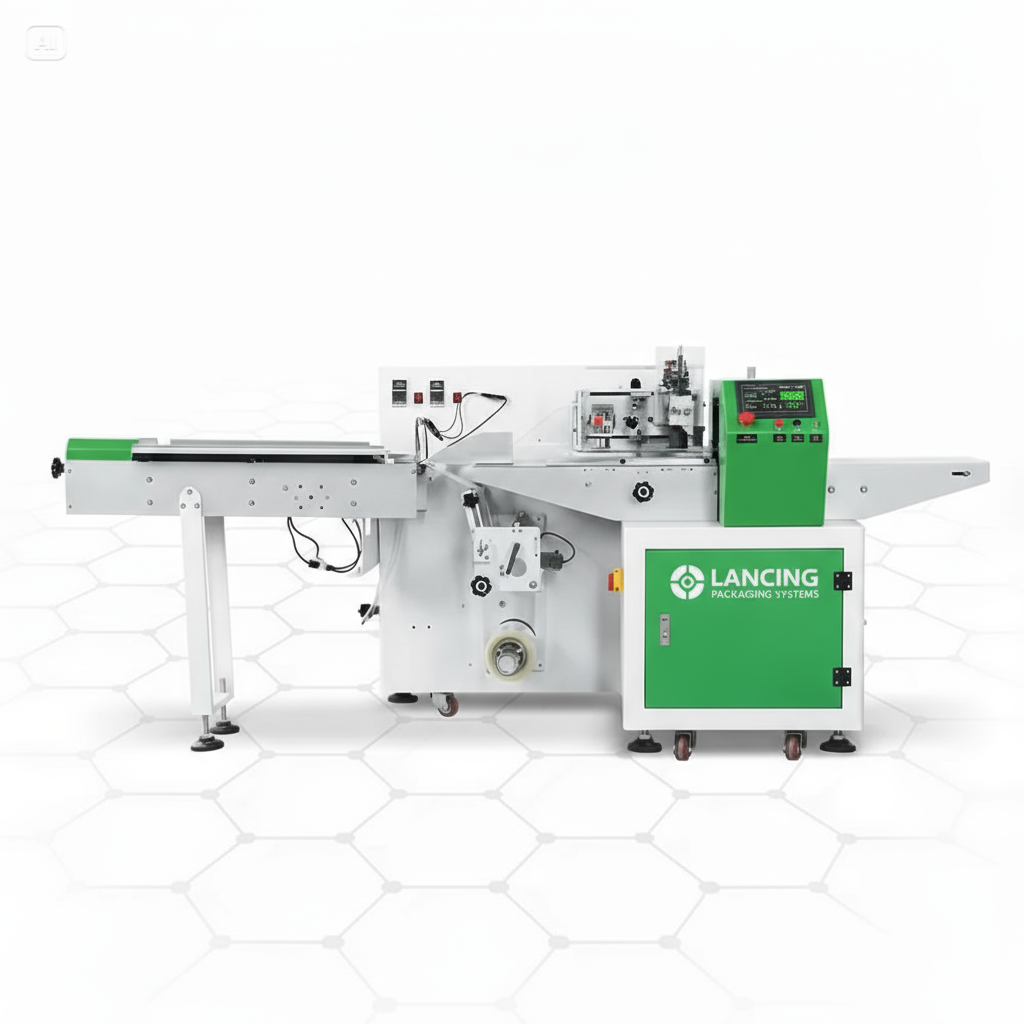
Critical spares should be selected from the installed configuration and the consequence of failure, not from a generic list shared by every machine.
Record machine and component references, installed revision, wear interval, storage needs and approved alternatives. Keep routine wear items separate from critical control, drive, sealing, pneumatic and product-contact parts. The maintenance and spare-parts guide explains how to combine stock levels with inspections, fault records and controlled software backups.
Create an equipment register, task plan and risk-based critical stock.
Collect the evidence needed to identify the correct failed part.
Coordinate consumables, seals, tubing and change parts with routine operations.
Ready to discuss the application?
Send the application details to Lancing for a tailored machinery review.
Spares identification and handover
A useful spare-parts request identifies the machine, serial or build reference, component location, part description, quantity, symptoms and any drawing or photograph available. A critical-spares plan should distinguish wear parts, failure-risk parts and parts whose consequence or replacement lead time could stop production.
Plan final parts lists, drawings, backups and training records.
Prioritise parts using duty, consequence and replacement method.
Include machine identity, component details and photographs where useful.
© Copyright 2025 by Lancing Ltd - all right reserved terms & conditions