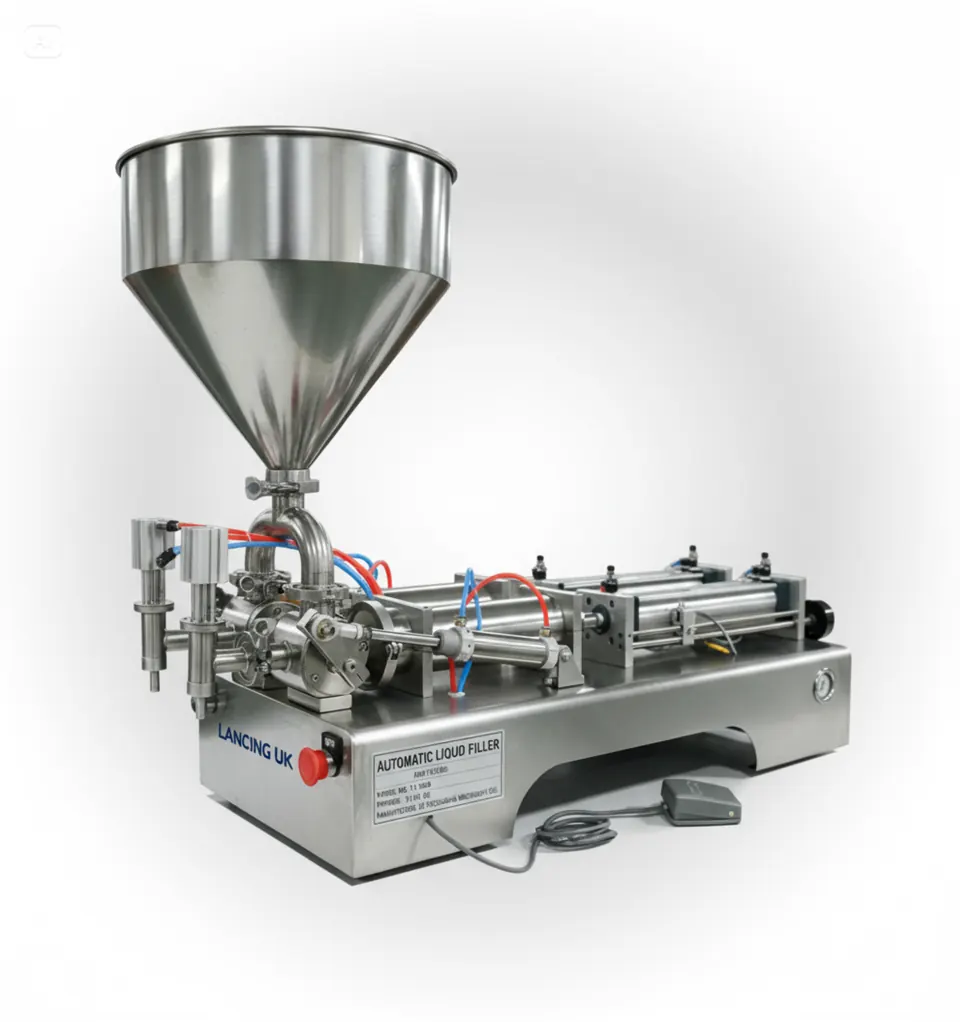
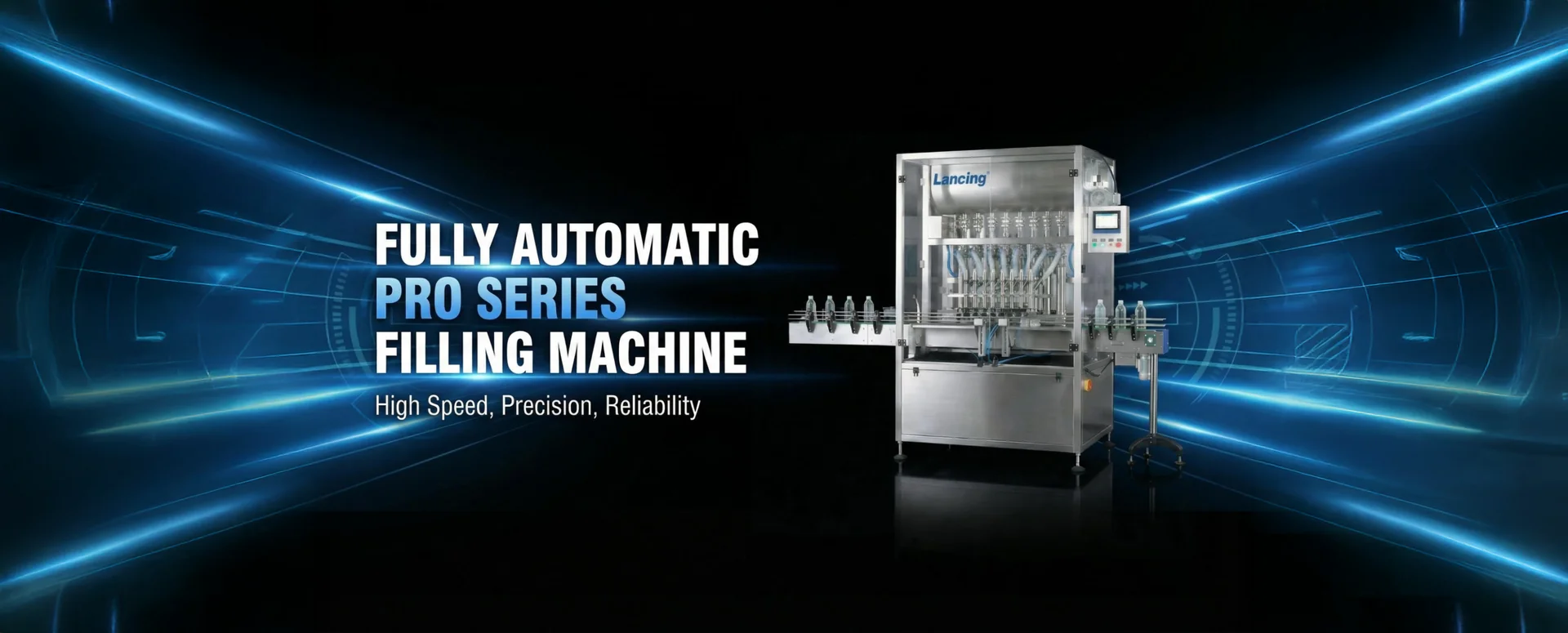
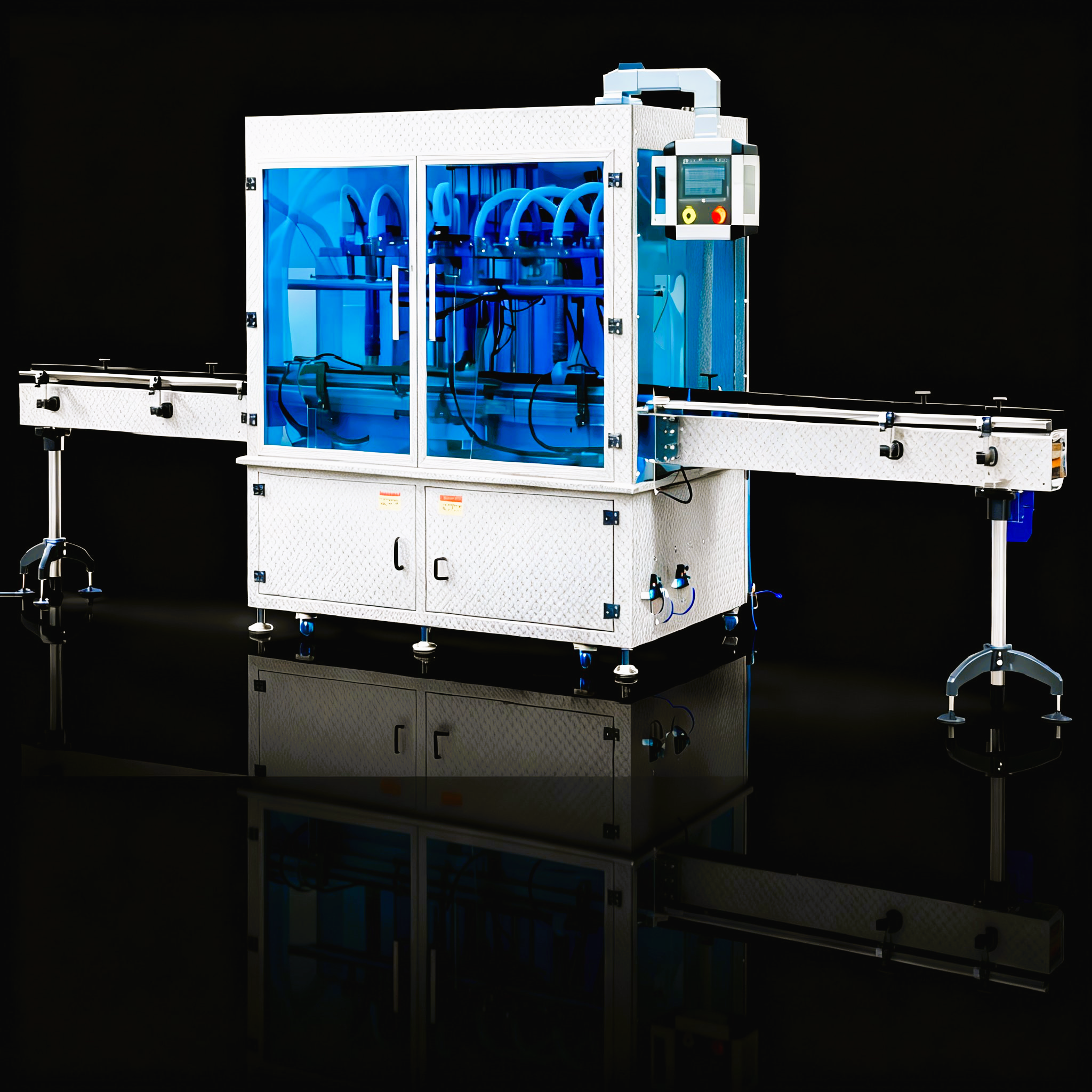
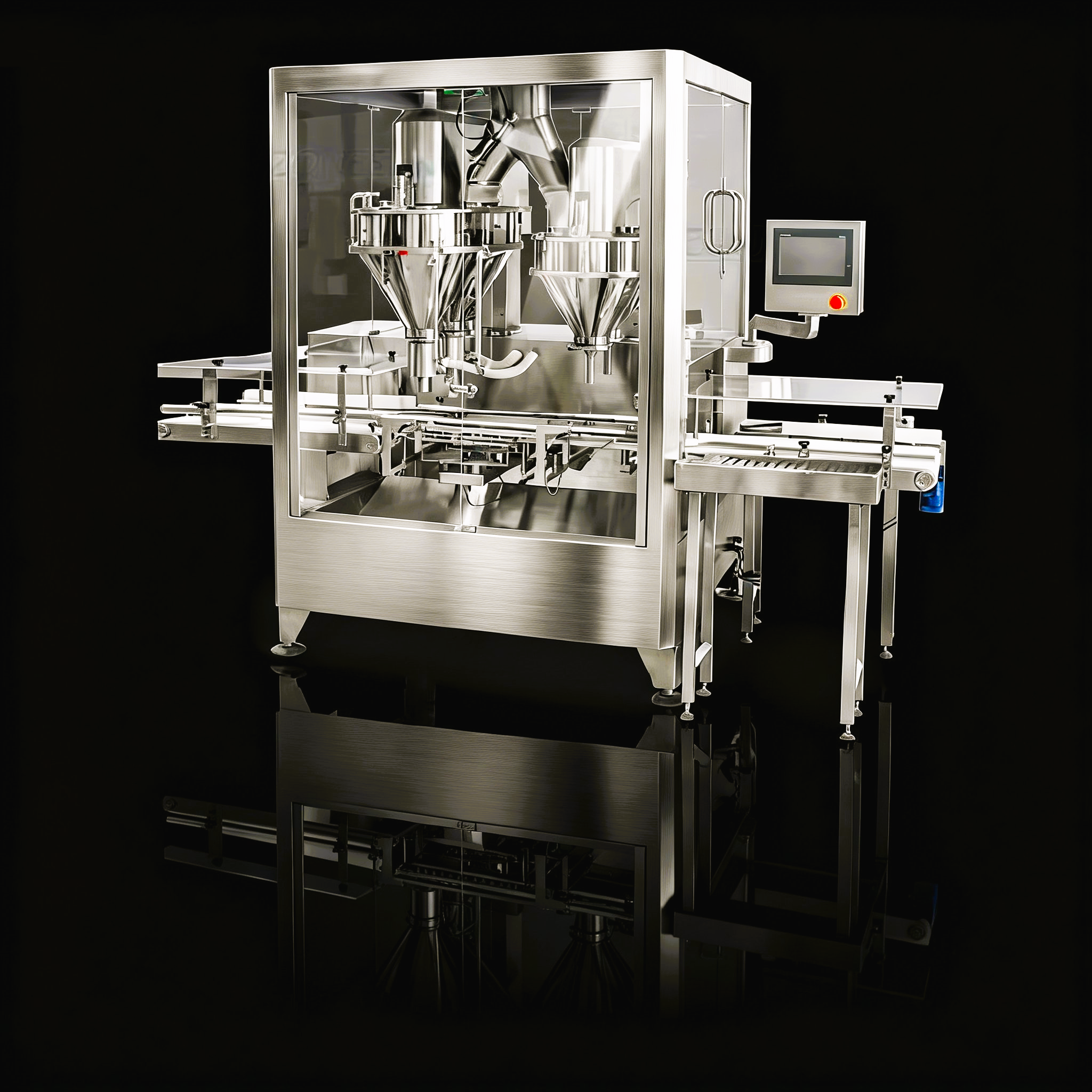
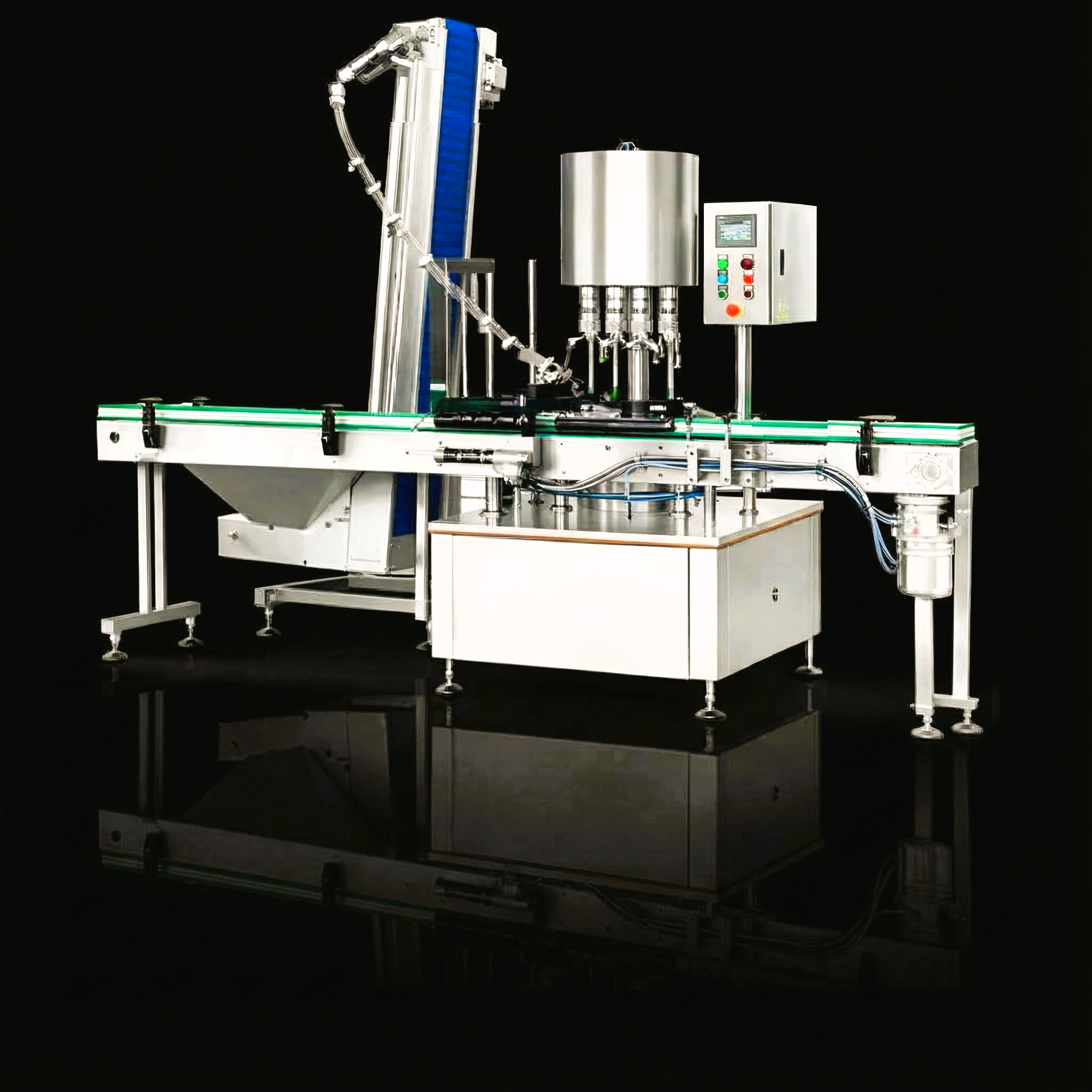
Compare machinery for filling liquids, pastes and other flowable products.


.png)

30 YEARS OF EXPERIENCE
UK Packaging Machinery & Machine Suppliers
Lancing UK has established itself as a premier supplier of packaging machinery solutions.
We partner with industry-leading manufacturers to provide cutting-edge equipment that enhances efficiency and productivity.
✔ Expert Consultation
Our team provides personalized solutions tailored to your specific packaging requirements.
✔ Comprehensive Support
From installation to maintenance, we offer ongoing support to ensure optimal performance.
✔ Quality Assurance
All our machinery meets the highest industry standards for reliability and performance
Our Ranges
Inkjet Coding
View Product
Feeding System
View Product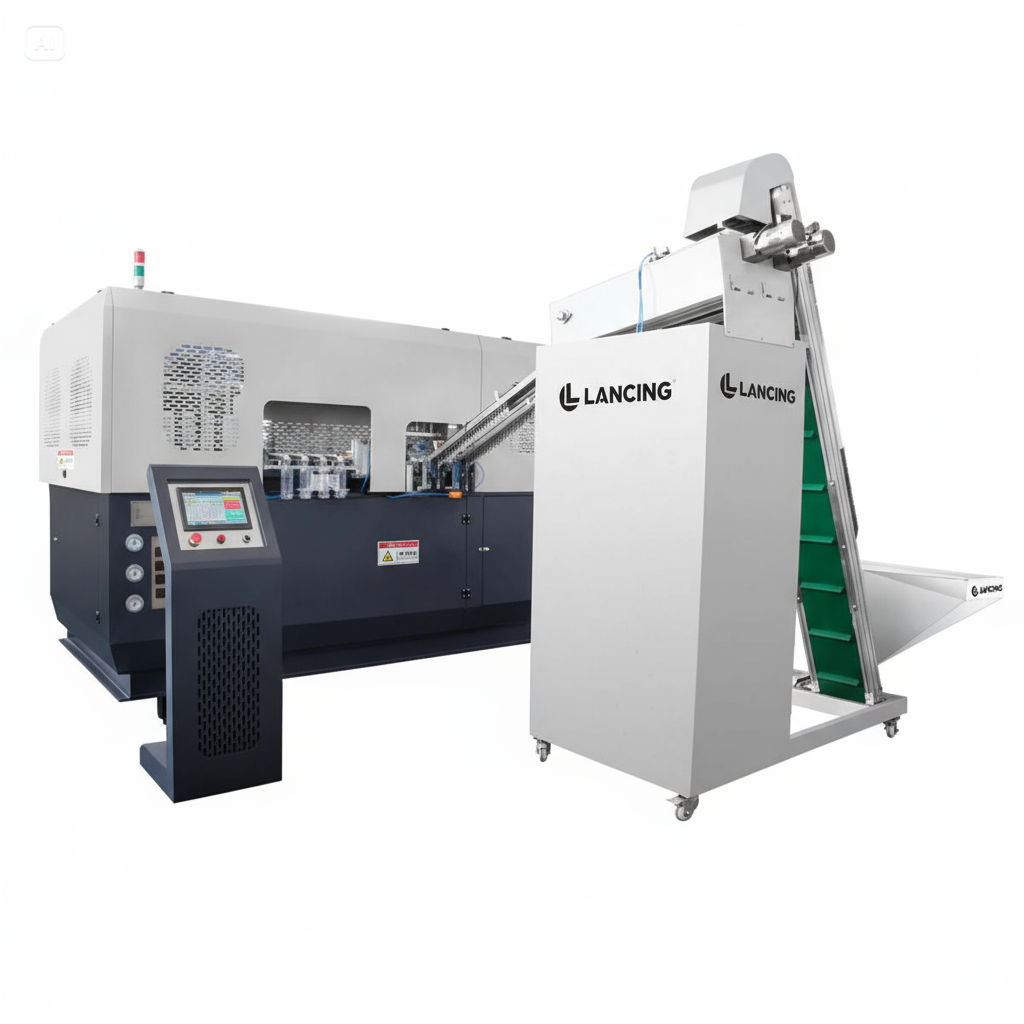
Blow Moulding
View Product
Full Lines
View Product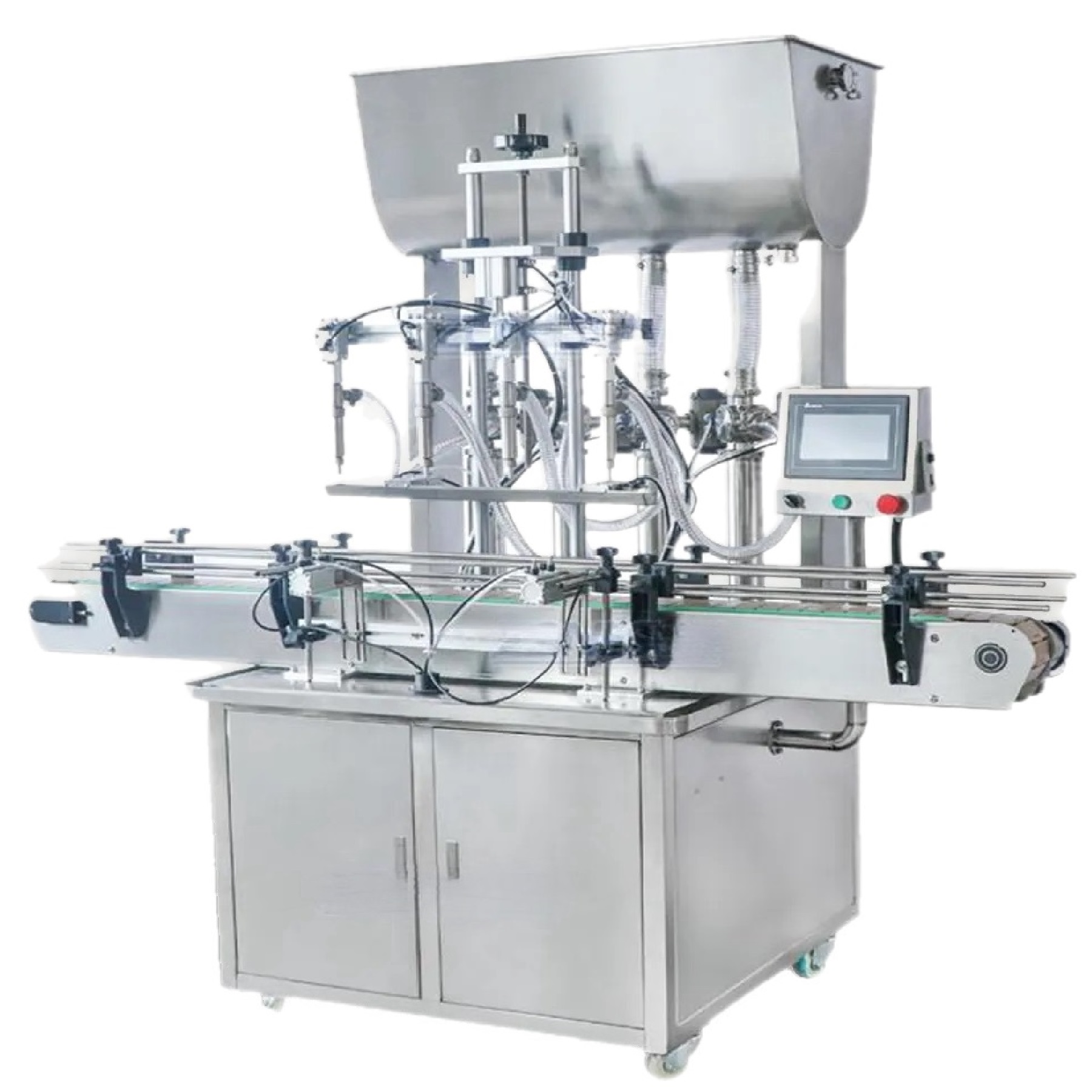
Filling Machine
View Product
Shrinkwrapping
View Product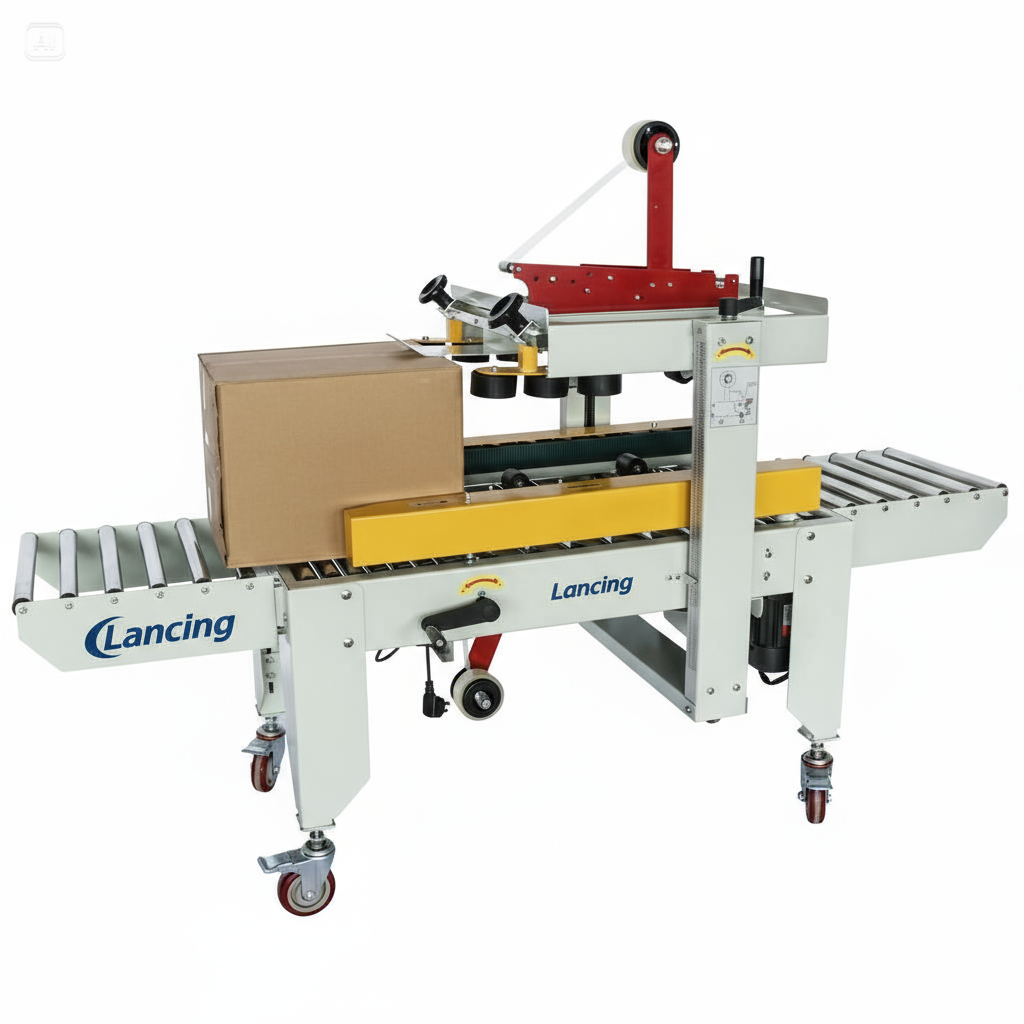
Casetaping
View ProductSubscribe Our Newsletter
GET QUOTE
Make An
Free Consultant
Packaging machinery selection
Choosing packaging machinery for a UK production line
A reliable packaging line starts with the product and pack, not with a headline machine speed. Lancing can compare filling, capping, labelling, wrapping, coding and line-handling options against the actual materials and formats that must run.
Start with the product
Record viscosity, particulates, foaming, temperature, flow behaviour and cleaning needs. These factors help distinguish between liquid filling, paste filling, powder and granule filling and specialist processes.
Define the complete pack
Container dimensions, neck finish, closure, label, film and case format affect handling throughout the line. Review the pack as one system before selecting capping, labelling or shrink-wrapping equipment.
Plan the line around changeovers
Output is only useful when the line can be cleaned, adjusted and restarted efficiently. Identify the normal production run, the smallest and largest formats, operator access and any upstream or downstream equipment.
How the main packaging processes fit together
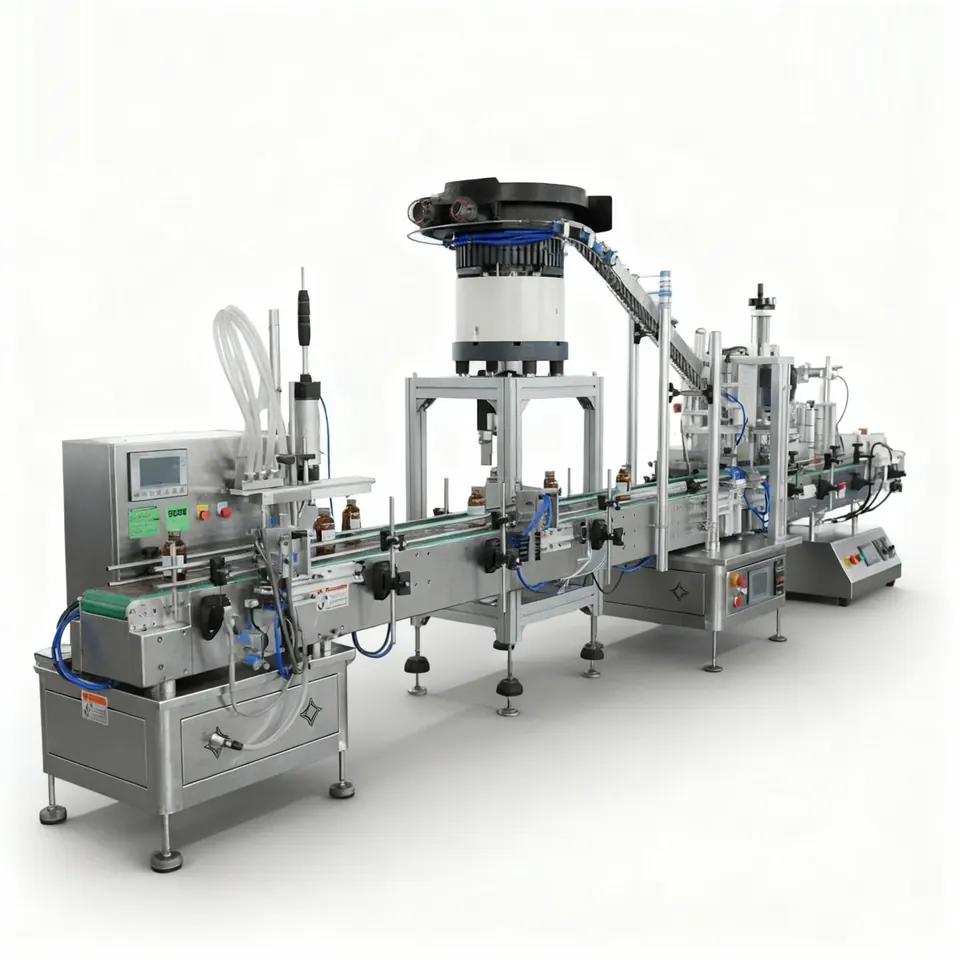
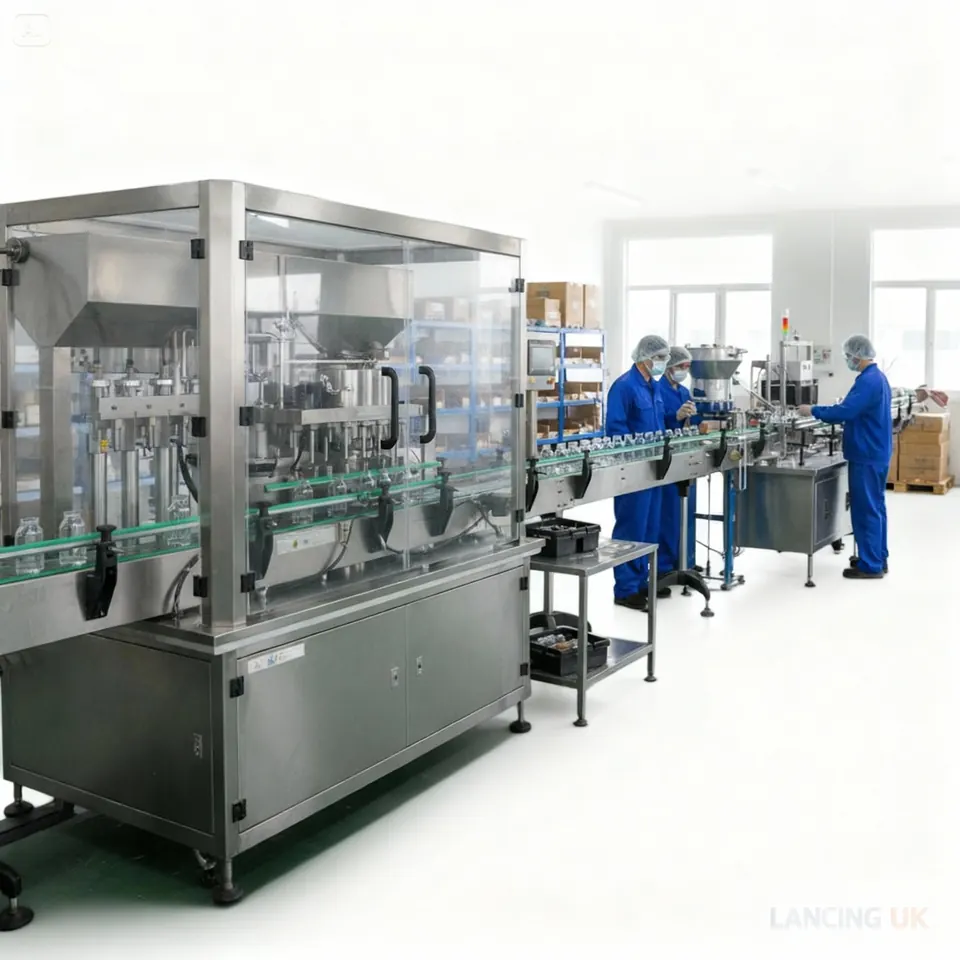
A filling machine controls the dose; the capping station handles and secures the closure; the labeller positions pre-printed or variable-data labels; and wrapping, sealing or cartoning protects the finished pack. Conveyors, sensors and accumulation sections connect these operations and prevent one station from continually stopping another.
For a new project, compare the whole route from empty-container infeed to finished-pack discharge. For an existing line, provide the conveyor height, direction of travel, available footprint, electrical and air supplies, and the required interface signals. This makes it easier to select a machine that can be integrated rather than simply placed beside the line.
The packaging machine selection guide explains the main technology choices and the information needed for a useful quotation.
Send with your enquiry
- Product name, viscosity and any particles or fibres
- Minimum, normal and maximum fill or pack size
- Container, closure, label and film samples or drawings
- Required packs per minute and typical batch size
- Available power, compressed air and floor space
- Existing machines that must connect to the new equipment
- Cleaning, changeover and operator-access requirements
Need to compare several machine types? Browse the complete catalogue or send the product and pack details for an application review.
Discuss your packaging projectBuyer questions
What information is needed to recommend a packaging machine?
Send details of the product, container or pack, closure, label or film, required output, available utilities and the space available. Samples or drawings help confirm compatibility before a machine is specified.
Can separate machines be integrated into one packaging line?
Yes. Filling, capping, labelling, coding, conveying and end-of-line equipment can be selected as individual stations or planned as a connected line. The controls, transfer heights and line balance must be considered together.
Which filling method should be considered first?
The product normally determines the starting point. Free-flowing liquids, viscous products, powders, granules and carbonated products need different dosing methods, so viscosity, particulates, foaming and cleaning requirements should be reviewed before capacity.
Can machinery be selected for more than one pack format?
Often it can, provided the size range and handling differences are understood. A useful quotation identifies every container, closure, label and fill range so that change parts and adjustment points can be included.
How is the expected output confirmed?
Published speeds are only a reference. Practical output depends on the product, dose, container stability, closure presentation, label or film and downstream handling. A sample trial or timed test is the best way to confirm a realistic rate.
Packaging machinery knowledge centre
Plan the complete packaging project with practical buyer guides
The catalogue shows the available machine families. The technical resource hub helps define the product, pack, automation level, line interfaces, site conditions and acceptance evidence needed to select and integrate them.
Choose the process
Use the detailed guides for filling, capping, labelling and wrapping and sealing to compare technologies against the real product and pack.
Choose the automation level
Compare operator loading, component feeding, changeovers, sustained acceptable output and future integration in the automatic versus semi-automatic guide.
Plan the connected line
Define transfer heights, conveyors, accumulation, signals, fault recovery, coding and inspection using the packaging-line integration guide.
Prepare evidence and the site
Use the sample trial, site preparation and FAT and SAT guides before order and delivery.
All guidance is qualitative unless a verified machine specification is shown on the relevant product page. Suitability, performance and safety should be confirmed for the proposed configuration, materials and site.
Related machinery guidance
Packaging machinery resources
Open the complete hub of selection, integration, testing, installation and maintenance guides.
Packaging machine selection guide
Start with the product, pack, output and project information needed for an initial shortlist.
Packaging machine cost factors
Understand which application and project choices affect quotation scope.
Ready to discuss the application?
Send the application details to Lancing for a tailored machinery review.
Packaging project questions
Questions to answer before choosing packaging machinery
A useful machinery discussion starts with the finished pack and the operating duty, not a machine name alone. These questions help production, engineering and procurement teams describe the application in a form that can be checked against the catalogue and tested before a final configuration is agreed.
How should a buyer describe the finished pack before choosing machinery?
Describe the finished pack as a complete combination of product, container or film, closure, label, code and presentation standard. A machine may handle one component in isolation but still be unsuitable for the assembled pack or the way it must transfer through the line.
Record the normal and smallest or largest formats, the usable fill or pack range, orientation, stability, contact surfaces and any appearance limits. Photographs help, but dimensioned drawings and representative production components are more useful for confirming guides, tooling and clearances.
The packaging machinery questions hub organises the next decisions by buyer task.
What is the difference between machine capability and proven application suitability?
Machine capability describes what a mechanism is designed to do; proven application suitability means that the proposed configuration has been checked with the actual product, pack components, operating conditions and acceptance criteria. The second is the more reliable basis for ordering.
Suitability can be affected by product temperature, foam, dust, component tolerances, container stability, film or label behaviour and the required interface with other machinery. A representative review or trial should cover the difficult conditions as well as the easiest format.
Use the sample-trial guide to prepare evidence.
When should a project be planned as a complete packaging line rather than separate purchases?
Plan a complete line when the machines must share product flow, pack transfer, speed control, accumulation, guarding, fault recovery or acceptance criteria. Buying standalone machines without defining those interfaces can leave gaps even when each machine works correctly on its own.
A line plan should identify direction of travel, transfer heights, pack pitch, buffer positions, permissives, stop logic, reject handling and the machine that limits sustained acceptable output. It should also state who is responsible for third-party interfaces.
The packaging-line integration guide explains the interface schedule.
Which samples reduce uncertainty at the first technical review?
Provide representative product, empty and filled containers or packs, closures, labels, film and any inserts that affect handling. Include more than one production batch where component variation is a known risk, and identify which samples represent the difficult condition.
Samples should be production quality rather than prototypes wherever possible. Add drawings, target finished-pack examples, operating temperatures, changeover range and a written description of what must be observed or measured during a trial.
For formal requirements, start with the packaging machine URS guide.
Send the product and pack description, format range, target duty and available samples so Lancing can identify the next technical step.
Discuss the applicationPackaging project inputs
Turn a machinery search into a complete pack and line brief
The fastest route to a useful machinery proposal is to provide the real product, every pack component, normal and difficult formats, sustained output, site space, utilities and upstream/downstream interfaces. The following technical guides help prepare that information without assuming a machine type before the application is understood.
Containers and handling
Define dimensions, tolerances, stability, orientation and state.
Caps and closures
Define feeding, neck finish, engagement and accepted result.
Labels and rolls
Define web, adhesive, liner, roll direction and registration.
Film and pouches
Define construction, dimensions, sealing and print registration.
Controls and data
Define line states, recipes, coding, inspection and recovery.
All buyer resources
Browse selection, integration, trials, acceptance and troubleshooting guidance.
Send the application details for review.
Include product and pack samples where possible.
New buyer guidance
Six machinery decisions to define before requesting a quotation
These six decisions recur in real packaging machinery projects. Each guide connects the decision to product, pack, line, trial and acceptance information so a technical enquiry can be reviewed against the actual application rather than headline claims alone.
GS1 2D barcode line readiness
Define data, printing, verification, reject logic and trial evidence.
Volumetric or gravimetric filling
Compare volume and weight control against the real quantity target.
Sleeve or pressure-sensitive labels
Compare pack shape, decoration, heat process and material supply.
Evaluate a machinery supplier
Compare evidence, scope, acceptance, documentation and support.
Find the line bottleneck
Separate sustained good output from headline machine speed.
Induction or direct heat sealing
Match the sealing process to the complete packaging construction.
Which quantity does a weight filling machine control?
Begin with the required net product quantity and the method used to account for container weight. Then assess product flow, cut-off, settling and independent finished-pack checks as one process. The weight-filling range guide explains why scale specifications and displayed gross weight do not alone establish a complete filling result, and sets out the samples needed for a useful comparison.

© Copyright 2025 by Lancing Ltd - all right reserved terms & conditions
Navigate the machinery range from a complete pack
Use the finished pack to choose where to begin in the machinery range. Record the product, container, closure, label and any wrapping or secondary packaging required. The correct category is the stage that performs the task you need, while the surrounding stages explain how the pack must be presented and received.
For filling, describe the product condition and required quantity. For capping, identify the matched closure and container finish. For labelling, show the surface, label and position. For wrapping or line equipment, include the complete pack dimensions and intended flow. Keeping these details together makes it easier to compare the relevant machinery without confusing a general category with a confirmed application.
The semi-automatic, compact and automatic ranges should be compared against the actual operating pattern. Identify manual tasks, typical run length, format changes and available working space. A smaller machine or a higher catalogue rate is not enough to decide the route unless it also fits the pack, staffing and integration requirements.
- Machinery shortlist
- Select candidate categories, then open the relevant machine pages and note the application details that still need confirmation.
- Sample record
- Keep product and packaging references with the sample photographs. Distinguish current production components from proposed alternatives.
- Complete scope
- State whether the enquiry concerns one operation, a retrofit or several connected stages. Mark retained machinery and customer-provided equipment on the layout.
Should I choose by machine name or by production requirement?
Begin with the production requirement. Use category and model information to shortlist options, then confirm the actual pack, output and site conditions before specification.