Form-fill-seal selection
Compare VFFS with pre-made pouch, sachet and other sealing routes.

High‑efficiency VFFS sachet packaging with integrated forming, filling, sealing and cutting. The LUFSMP8 uses 8 magnetic‑pump lanes for precise dosing of thin liquids like sauces, syrups and detergents. Touchscreen PLC simplifies setup and recipe changeovers; runs common heat‑sealable films (OPP/CPP, PET/PE, foil laminates).
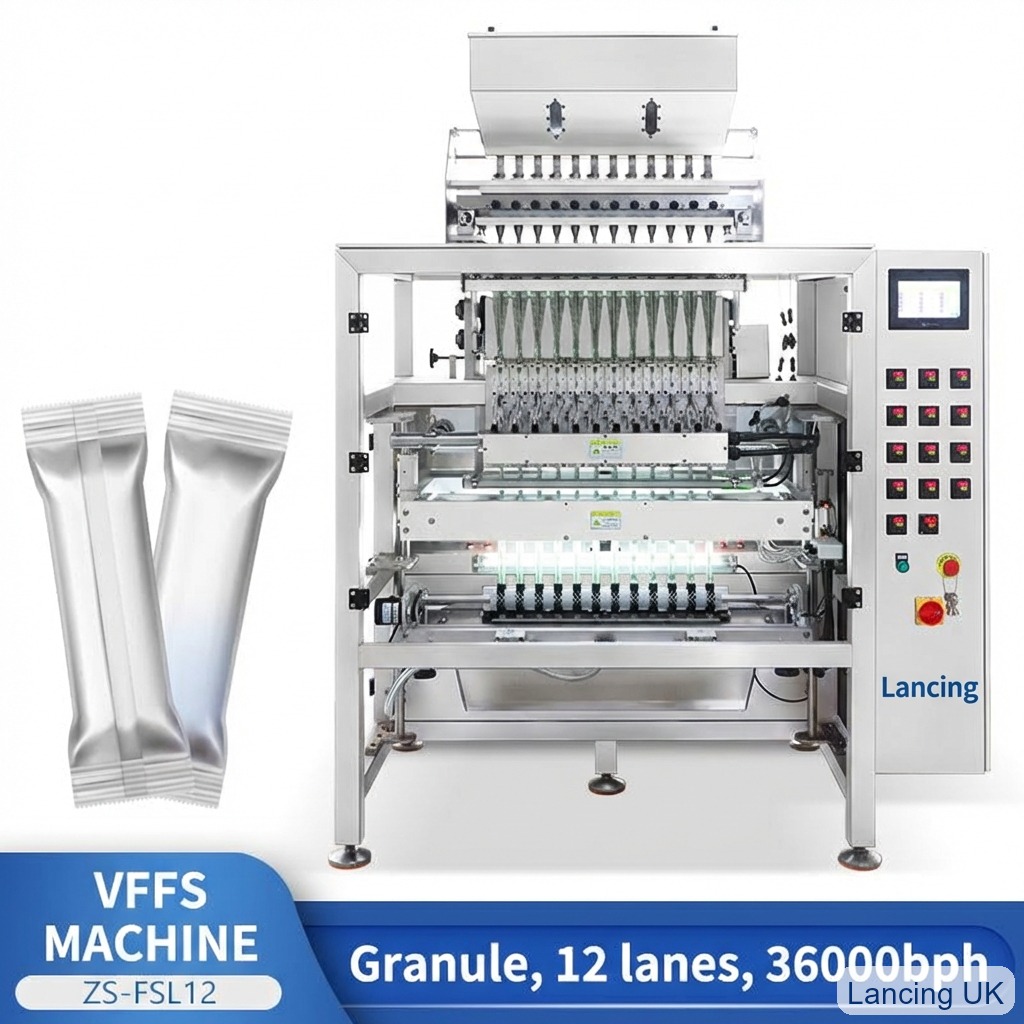
High-precision metering for water-thin liquids; independent channels improve accuracy and uptime.
Forming, filling, sealing and cutting in one machine for compact footprints.
Recipe storage and quick changeovers; real-time alarms and counters.
Runs OPP/CPP, PET/PE and laminated films for attractive, robust sachets.
Food-grade wet parts; easy access to pumps and flow paths.
Interfaces to coding/printing, checkweighing and secondary packing.
Specifications based on the LUFSMP8 datasheet and may change without notice.
Ketchup, chili oil, soy sauce, salad dressings.
Syrups and flavourings for RTDs and hospitality.
Detergents, shampoos and liquid soaps.
Tell us about your products and line requirements. We’ll confirm compatibility and quote the best configuration.
Application and selection guidance
The LUFSMP8 combines eight magnetic-pump lanes with forming, filling, sealing and cutting for thin liquid sachets. Product, dose, bag geometry and laminate must be tested as one packaging system.
Independent magnetic-pump lanes meter thin liquids into narrow sachets. The page gives a reference of 25–40 bags per minute per lane, but actual output depends on liquid, dose, bag length, film and seal dwell.
Lane-to-lane checks should be included in any acceptance method because each product path and pump setting contributes to the finished dose.
The listed films include OPP/CPP, PET/PE, foil laminates and paper-plastic structures. The specific laminate, thickness and heat-seal range must be supplied; a generic film description is not enough to confirm seal quality.
Printed repeat, registration mark, rounded-corner requirement and coding position should be defined on a bag drawing.
The page describes a 150 litre material tank and a 50 litre hopper as configurable references. Product storage and transfer should be reviewed for temperature, agitation, level control and cleaning. Thin liquids containing particles or fibres may need a different dosing method or product path.
Seal contamination is a key risk. Nozzle timing, splash control and the product’s tendency to string must keep liquid away from the horizontal seal area. Trials should include the intended dose and the shortest bag.
Coding, checkweighing, metal detection, takeaway conveyors and collection are listed as options. Their capacity and reject logic should be planned around the combined output of all lanes. For powders or granules, compare the broader VFFS range because the dosing system will differ.
Test the production liquid and laminate together at the required sachet size.
Review a liquid sachet projectThe page states a reference per lane. Sustainable combined output still depends on product, dose, film, bag length, sealing and downstream collection.
This page describes magnetic-pump dosing for thin liquids. Powders require a different dosing system such as an auger or weighing arrangement.
No. Film thickness, friction, construction and heat-seal window must suit the forming and sealing system. The production roll should be tested.
Each lane should be set and verified using an agreed sampling and weighing or volume-check method under the stated production conditions.
Splashing, product strings, incorrect nozzle timing, overfill and poor film tracking can place product in the seal. Bag and product trials are required to control this risk.
VFFS sachet project resources
Vertical form fill and seal performance depends on the product feed, forming set, film, seal area and cut/register control operating together.
Provide the real product at its operating condition and production film showing material structure, thickness, width, core, reel, winding and registration details. Define finished sachet dimensions, seal layout, cut, code area and an approved pack sample. The test should include product contamination risk at the seal and the effect of repeated starts, film joints or reel change.
For liquid or powder dosing, define fill acceptance separately from seal integrity and appearance. Include tank or hopper supply, level control, cleaning, material recovery and line clearance. Multi-lane or repeated packs should be checked lane by lane with the same documented method.
Compare VFFS with pre-made pouch, sachet and other sealing routes.
Match the product to liquid, paste, powder or weight dosing.
Plan product, film, setup and sustained evidence runs.
Ready to discuss the application?
Send the application details to Lancing for a tailored machinery review.
© Copyright 2025 by Lancing Ltd - all right reserved terms & conditions